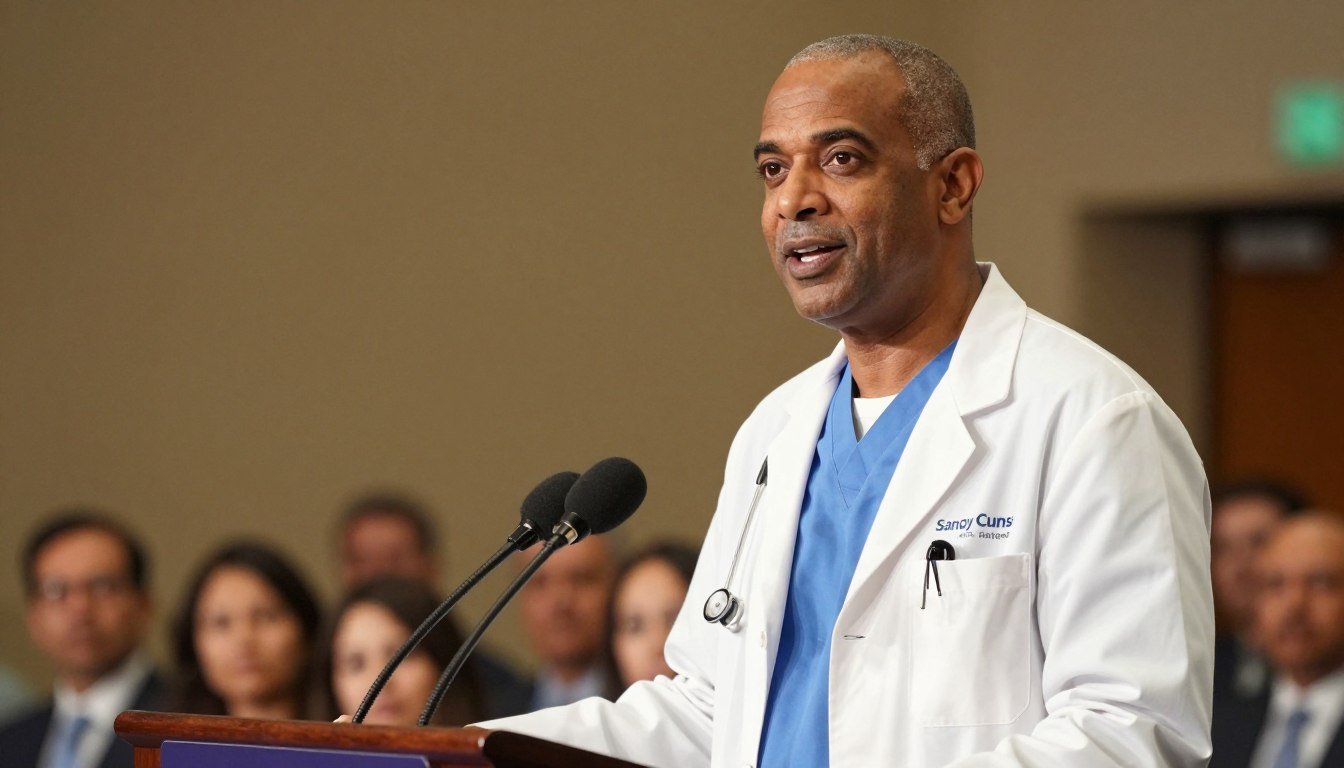
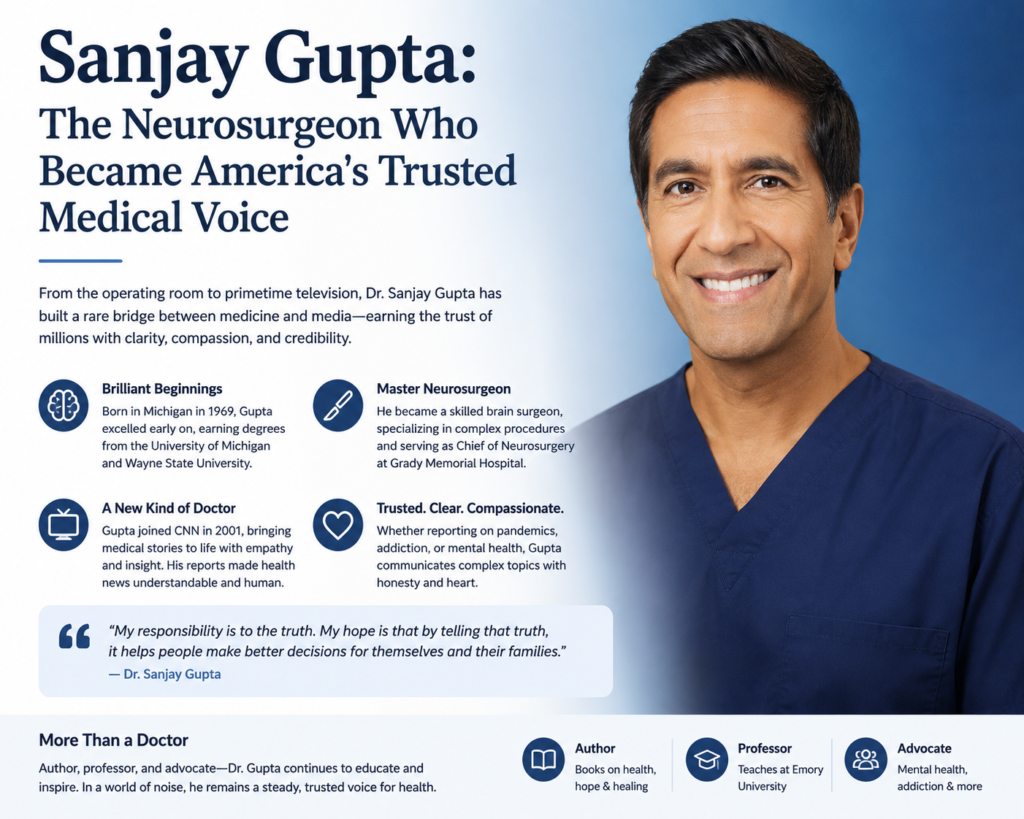
When a global pandemic strikes or a medical crisis unfolds, millions of Americans turn to one trusted voice for clarity and guidance. Dr. Sanjay Gupta has become more than just a medical correspondent. He represents the rare intersection of surgical expertise and exceptional communication skills.
Born on October 23, 1969, Sanjay Gupta has built an extraordinary dual career. He serves as a practicing neurosurgeon at Grady Memorial Hospital in Atlanta while simultaneously working as CNN’s chief medical correspondent. This unique combination allows him to translate complex medical information into accessible insights for the general public.
His journey from the son of Indian immigrants in suburban Detroit to one of the most recognizable faces in American medicine embodies the possibilities of dedication and service. Throughout his career, Gupta has reported from war zones, performed emergency surgeries in disaster areas, and guided the nation through health crises.
Early Life and Educational Foundation
Sanjay Gupta’s story begins in Novi, Michigan, a Detroit suburb where his parents settled after immigrating from India in the 1960s. His parents, Subhash and Damyanti Gupta, both worked as engineers for Ford Motor Company. They instilled in their sons the values of hard work and education.
His mother Damyanti had her own remarkable story. Born in the village of Tharushah in Sindh, she fled to Baroda, India as a Hindu refugee during the Partition of India at age five. These family experiences shaped Gupta’s understanding of resilience and adaptation.
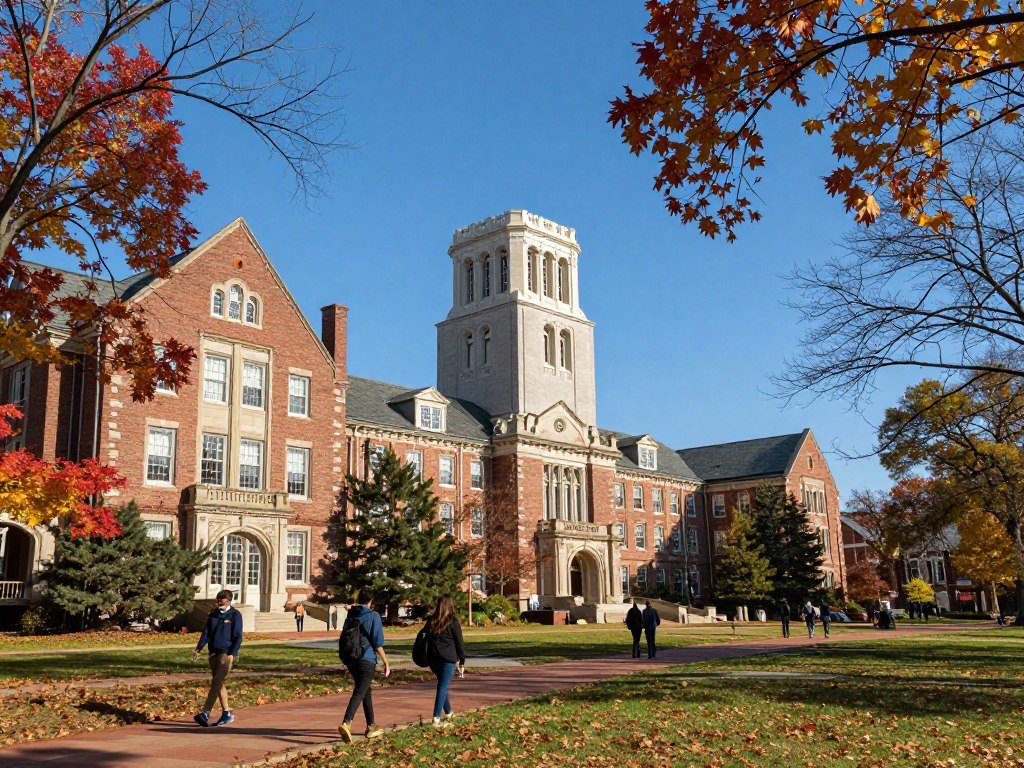
Gupta graduated from Novi High School alongside his younger brother Suneel Gupta, who would later become an entrepreneur and author. His academic excellence earned him acceptance into the University of Michigan’s prestigious Inteflex program. This accelerated medical education pathway accepted students directly from high school.
At the University of Michigan in Ann Arbor, Gupta pursued a Bachelor of Science degree in biomedical sciences. His college years extended beyond academics. He served as an orientation leader for first-year students and participated in the Men’s Glee Club. His leadership abilities emerged as president of the Indian American Students Association, one of the university’s largest student organizations.
The young medical student found time for creative pursuits as well. He dedicated ten years to accordion lessons, an unusual hobby that would later become a charming detail in interviews. This multifaceted approach to personal development reflected his belief in well-rounded growth.
Gupta earned his medical degree from the University of Michigan Medical School in 1993. He completed his residency in neurological surgery within the University of Michigan Health System in 2000. His training continued with a fellowship at the Semmes Murphy Clinic in Memphis, Tennessee, where he refined his surgical skills.
Between 1997 and 1998, Gupta served as a White House Fellow, one of fifteen selected for this prestigious program. During this time, he worked primarily as an advisor to Hillary Clinton. This experience provided invaluable insights into health policy at the highest levels of government.
Medical Practice and Surgical Excellence
Dr. Sanjay Gupta maintains an active neurosurgical practice at Grady Memorial Hospital in Atlanta. He holds the position of associate chief of the neurosurgery service. His surgical expertise encompasses spine procedures, trauma cases, and advanced 3D image-guided operations.
As an Emory Healthcare general neurosurgeon, Gupta balances his clinical responsibilities with his role as an associate professor of neurosurgery at the Emory University School of Medicine. This academic appointment allows him to contribute to the education of future medical professionals.

His contributions to medical literature demonstrate his commitment to advancing neurosurgical practice. Gupta has published articles in peer-reviewed medical journals on topics including percutaneous pedicle screw placement, brain tumors, and spinal cord abnormalities. These publications help other surgeons refine their techniques.
The medical community has recognized his expertise through prestigious memberships. In October 2019, Gupta was elected to the National Academy of Medicine, joining a class of 100 members. This represents one of the highest honors in medicine. Two years later, he gained election to the American Academy of Arts and Sciences in 2021.
Gupta holds a medical license in Georgia, where he continues to practice regularly. Unlike many television doctors who have left clinical practice, he remains committed to treating patients. This ongoing surgical work keeps his medical skills sharp and his perspective grounded in real-world patient care.
Clinical Expertise
- Spine surgery and trauma procedures
- Brain tumor treatment
- 3D image-guided operations
- Emergency neurosurgical interventions
- Spinal cord abnormality corrections
Academic Contributions
- Associate Professor at Emory University
- Published researcher in neurosurgery
- Medical journal peer reviewer
- Surgical technique innovator
- Medical education leader
Building a Broadcast Journalism Career
Dr. Sanjay Gupta joined CNN in the summer of 2001, beginning a media career that would transform medical journalism. His timing proved significant. Just months later, he reported from New York following the September 11 attacks, providing medical perspective during a national tragedy.
In 2003, Gupta traveled to Iraq to cover the medical aspects of the invasion of Iraq. This assignment showcased his unique value as both journalist and surgeon. While embedded with a Navy medical unit supporting the 1st Marine Expeditionary Force, he faced an extraordinary situation.
Marine Sergeant Jesus Vindaña suffered a critical gunshot wound. The accompanying medical team asked for Gupta’s assistance due to his neurosurgery background. He performed emergency surgery under combat conditions. Vindaña survived and returned to the United States for rehabilitation. This moment demonstrated Gupta’s commitment to saving lives even while reporting the news.

His coverage of Hurricane Katrina in 2005 brought national attention to healthcare disparities and emergency medical response failures. Reporting from Charity Hospital in New Orleans, Louisiana, Gupta documented dire conditions facing patients and medical staff. This work earned him a 2006 Emmy Award for Outstanding Feature Story in a Regularly Scheduled Newscast.
In December 2006, CBS News president Sean McManus negotiated a unique arrangement. Gupta would file up to ten reports annually for CBS Evening News with Katie Couric and 60 Minutes while maintaining his CNN position and surgical practice at Grady Memorial Hospital. This cross-network collaboration was unusual in competitive television news.
Gupta expanded his television presence beyond health reporting. He guest-hosted CNN programs including Anderson Cooper 360 and Larry King Live. In October 2007, he hosted an entire health episode of CBS News Sunday Morning while regular host Charles Osgood was on vacation.
January 2010 brought another defining moment in his journalism career. Following the devastating earthquake in Haiti, Gupta and Anderson Cooper led CNN’s coverage. While reporting on the humanitarian crisis, Gupta received an urgent call from the aircraft carrier USS Carl Vinson. A twelve-year-old earthquake victim aboard the ship needed a neurosurgeon.
Gupta, along with pediatric surgeon Henri Ford and two U.S. Navy doctors, removed a piece of concrete from the girl’s skull. Ford later wrote that Gupta “proved to be a competent neurosurgeon” in challenging shipboard conditions. This exemplified his readiness to set aside the microphone and pick up surgical instruments when lives hung in the balance.
His media appearances extended to major talk shows. Gupta became a regular guest on the Late Show with David Letterman, The Late Late Show with Craig Ferguson, The Daily Show with Jon Stewart, Real Time with Bill Maher, and the Oprah Winfrey Show. Oprah referred to him as “CNN’s hero” in January 2010.
Television Productions and Documentary Work
Dr. Sanjay Gupta hosted his own CNN show, “Sanjay Gupta MD,” winning multiple Emmy Awards for the program. The show brought medical topics into American living rooms with clarity and compassion. His ability to explain complex health issues in accessible terms made him a trusted household name.
In 2011, Gupta portrayed himself in the film “Contagion,” a pandemic thriller that gained renewed attention during the COVID-19 pandemic. The movie’s realistic depiction of a global health crisis seemed prescient years later. His participation lent medical authenticity to the production.

April 2019 saw the premiere of “Chasing Life,” a six-episode CNN miniseries that took Gupta around the world. He traveled to Japan, India, Bolivia, Norway, Italy, and Turkey, exploring how different cultures approach longevity and wellness. The series examined lifestyle factors that contribute to longer, healthier lives in various populations.
His documentary work on marijuana represented a significant moment in public health discourse. In 2013, Gupta announced he had changed his position on medical marijuana while producing a documentary on the topic. He publicly apologized for his previous criticism of medical cannabis laws.
“I am here to apologize,” Gupta stated. “We have been terribly and systematically misled for nearly 70 years in the United States, and I apologize for my own role in that.” His three-part documentary series “Weed” examined the medical evidence for cannabis treatments. The third installment, “Weed 3: The Marijuana Revolution,” was released in April 2015.
Gupta served as co-producer of the 2017 CNN documentary “Unseen Enemy,” which warned about pandemic risks. The film proved tragically prescient when COVID-19 emerged just a few years later. His foresight in highlighting pandemic preparedness demonstrated his understanding of global health threats.
In April 2018, Gupta brought his talents to sports broadcasting. He served as a commentator on the University of Michigan TeamCast with former Wolverines kicker Jay Feely for the school’s appearance in the NCAA Men’s Final Four. The broadcast aired on CNN sibling network TNT.
From June 28 to July 9, 2021, Gupta took on a different television challenge. He served as a guest host on the quiz show “Jeopardy!” This appearance showcased his versatility and broad knowledge beyond medicine. His week of hosting introduced him to new audiences.
Explore Dr. Gupta’s CNN Health Coverage
Access in-depth medical reporting, pandemic updates, and brain health insights from one of America’s most trusted medical voices.
Leading Medical Coverage During the COVID-19 Pandemic
When the COVID-19 pandemic struck in early 2020, Dr. Sanjay Gupta became one of the most visible and trusted medical voices guiding Americans through the crisis. His dual expertise as a practicing neurosurgeon and experienced medical correspondent positioned him uniquely to translate rapidly evolving scientific information.
Throughout the pandemic, Gupta appeared on numerous CNN shows covering the crisis. He co-hosted weekly town halls with Anderson Cooper, providing a consistent forum for public health updates and answering viewer questions. These town halls became essential viewing for millions seeking reliable information.
His reporting covered the full spectrum of pandemic issues. Gupta explained virus transmission, vaccine development, treatment protocols, and public health measures. He interviewed leading scientists, public health officials, and frontline healthcare workers. His medical training allowed him to ask penetrating questions and clarify technical details.
The experience inspired his book “World War C: Lessons from the COVID-19 Pandemic and How to Prepare for the Next One,” published in 2021. The book examined what went wrong and what went right in the global response. It offered practical guidance for individuals, communities, and nations preparing for future health emergencies.
Gupta’s pandemic coverage emphasized the human impact alongside scientific facts. He profiled patients, mourned losses, and celebrated recoveries. This emotional intelligence distinguished his reporting from purely clinical discussions. People trusted him because he combined medical authority with genuine empathy.
His work during this period reinforced his position as a bridge between the medical community and the public. He translated complex epidemiological concepts, explained vaccine mechanisms, and addressed misinformation. His calm, authoritative presence provided reassurance during uncertain times.
Brain Health Advocacy and Keep Sharp Initiative
Dr. Sanjay Gupta has emerged as a leading advocate for brain health and cognitive resilience. His focus on neuroscience extends beyond his surgical practice into public education and preventive strategies. This work reflects his belief that many people can take meaningful steps to protect cognitive function.
In January 2021, Gupta published “Keep Sharp: Build a Better Brain at Any Age,” which became a New York Times bestseller. The book synthesizes research on brain health, offering practical advice for maintaining cognitive vitality throughout life. It addresses diet, exercise, sleep, stress management, and social connection.
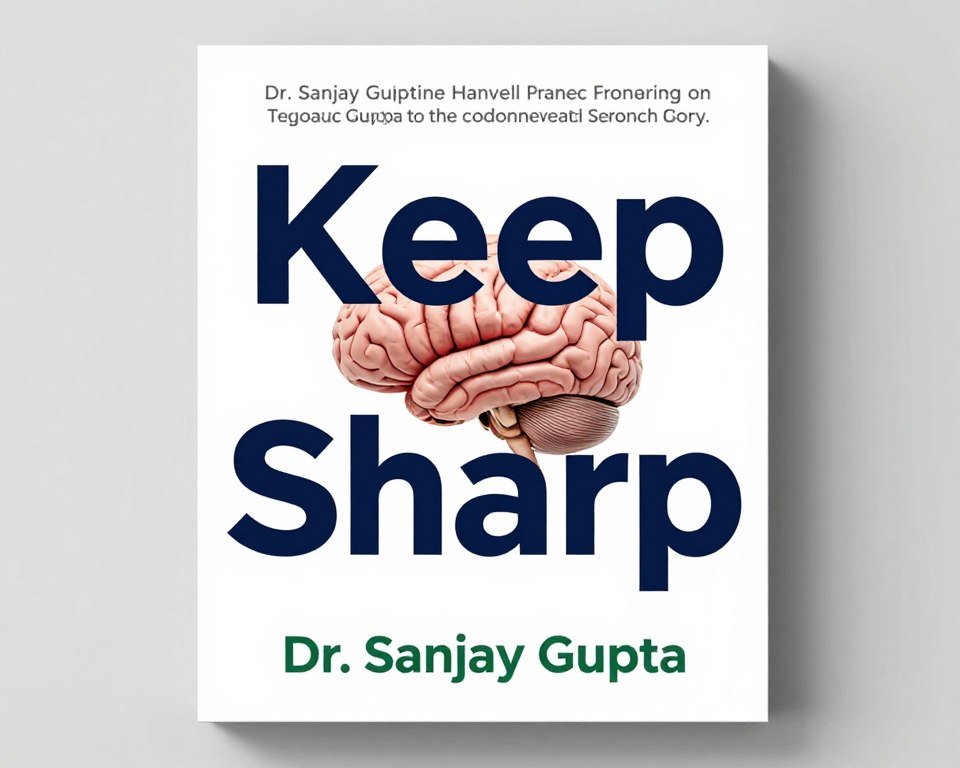
The “Keep Sharp” framework emphasizes five key pillars. First, movement and physical exercise support brain health through improved blood flow and neuroplasticity. Second, mental stimulation through learning and challenges builds cognitive reserve. Third, proper nutrition provides the building blocks for neural function.
Fourth, quality sleep allows the brain to consolidate memories and clear metabolic waste. Fifth, social connection protects against cognitive decline through emotional engagement and mental stimulation. Gupta presents these elements as interconnected rather than isolated interventions.
His brain health advocacy resonates with aging populations concerned about dementia and Alzheimer’s disease. Rather than promoting false hope, Gupta offers evidence-based strategies that may reduce risk or delay onset. He acknowledges limitations while emphasizing personal agency in brain health.
Five Pillars of Brain Health
- Move Your Body: Regular physical exercise increases blood flow to the brain and promotes neuroplasticity
- Challenge Your Mind: Learning new skills and engaging in mentally stimulating activities builds cognitive reserve
- Nourish Wisely: A brain-healthy diet rich in omega-3 fatty acids, antioxidants, and nutrients supports neural function
- Prioritize Sleep: Quality sleep allows memory consolidation and clears metabolic waste from the brain
- Connect Socially: Meaningful relationships and social engagement protect against cognitive decline
Gupta’s approach to brain health extends beyond individual actions. He advocates for societal changes that support cognitive wellness, including improved air quality, reduced exposure to toxins, and better access to education. These population-level interventions could benefit millions.
Build a Better Brain at Any Age
Discover Dr. Gupta’s evidence-based strategies for maintaining cognitive health, preventing decline, and optimizing brain function throughout your life.
Life Itself Conference and Health Innovation
In September 2019, Dr. Sanjay Gupta and Marc Hodosh, co-creator of TEDMED, announced a groundbreaking health conference called “Life Itself.” This event represents their vision for bringing together medical innovators, researchers, patients, and health advocates in meaningful dialogue.
Gupta and Hodosh serve as co-hosts and organizers of Life Itself, which launched in partnership with CNN. The conference differs from traditional medical meetings by emphasizing personal stories alongside scientific presentations. It creates space for vulnerable conversations about health challenges and breakthroughs.

The Life Itself format includes keynote speeches, panel discussions, interactive workshops, and experiential learning opportunities. Topics span the full spectrum of health and wellness, from cutting-edge medical technologies to ancient healing practices. This integrative approach reflects Gupta’s broad understanding of human health.
Conference speakers have included leading physicians, researchers, entrepreneurs, and patients with remarkable health journeys. The event attracts healthcare professionals, wellness advocates, journalists, and curious individuals seeking to improve their health literacy. This diverse audience creates rich cross-pollination of ideas.
Life Itself emphasizes actionable takeaways rather than purely academic presentations. Attendees leave with practical strategies they can implement in their own lives or medical practices. This focus on application distinguishes the conference from more theoretical health symposiums.
The partnership with CNN provides media amplification for important health messages emerging from the conference. Selected sessions receive broadcast coverage, extending their reach beyond physical attendees. This media component aligns with Gupta’s mission of translating medical knowledge for public benefit.
The Surgeon General Candidacy
On January 6, 2009, CNN announced that Dr. Sanjay Gupta had been considered for the position of Surgeon General by President-elect Barack Obama. The announcement generated immediate discussion within the medical community and among health policy experts.
Supporters argued that Gupta’s communication skills and high profile would allow him to effectively highlight medical issues and prioritize healthcare reform. Fred Sanfilippo, executive vice president for health affairs at Emory University, issued a statement praising Gupta’s character, training, intelligence, and communication abilities.
The American Council on Exercise endorsed the nomination, citing Gupta’s passion for inspiring Americans to lead healthier, more active lives. Former Surgeon General Joycelyn Elders also supported the appointment, noting that qualified public health experts could teach him the necessary aspects of the role.
However, the nomination faced opposition. Representative John Conyers Jr. wrote a letter opposing Gupta’s appointment. Conyers supported a single-payer healthcare system and criticized Gupta’s previous commentary on Michael Moore’s film “Sicko,” which advocated for universal healthcare.
Some healthcare journalists questioned whether Gupta’s celebrity status and television work had adequately prepared him for the Surgeon General’s responsibilities. Critics noted that the position requires deep public health expertise and policy experience beyond clinical medicine or health communication.
In March 2009, Gupta withdrew his name from consideration. He cited his family and his career as primary reasons for the decision. The withdrawal allowed him to continue his unique combination of neurosurgical practice, medical journalism, and public health advocacy without the constraints of a government position.
The episode revealed both the opportunities and limitations of physician-communicators in public service. While Gupta’s communication skills were widely praised, questions about policy expertise and potential conflicts of interest complicated his candidacy. His decision to remain in his existing roles proved personally and professionally satisfying.
Professional Controversies and Public Disputes
Despite his generally positive reputation, Dr. Sanjay Gupta has faced criticism from journalism professors and health policy advocates. These controversies reveal tensions between television medicine, rigorous health journalism, and complex policy debates.
Trudy Lieberman, a Nation contributor on healthcare and director of the health and medicine reporting program at the CUNY Graduate School of Journalism, reviewed Gupta’s reporting on the McCain health plan. Lieberman criticized him for relying on insurance industry statistics and providing oversimplified analysis.
Gary Schwitzer, professor of health journalism at the University of Minnesota School of Journalism and editor at Health News Review, has also questioned Gupta’s reporting standards. Schwitzer’s critiques focus on whether television segments adequately examine treatment costs, potential harms, and alternatives to promoted interventions.
The Michael Moore Dispute
A significant controversy emerged in July 2007 following Gupta’s fact-check segment on Michael Moore’s documentary “Sicko.” On CNN’s The Situation Room, Gupta stated that Moore had “fudged facts” in his film about American healthcare. The segment aired immediately before Moore’s live interview with Wolf Blitzer.
Moore responded vigorously, calling Gupta’s report inaccurate and biased. He posted a detailed rebuttal on his website, accusing CNN of favoring the pharmaceutical industry because drug companies sponsored much of their medical coverage. The dispute highlighted tensions between advocacy filmmaking and medical journalism.

On July 10, 2007, Gupta debated Moore on Larry King Live. The discussion grew heated as they argued about healthcare statistics, data sources, and journalistic responsibility. Moore challenged Gupta’s interpretation of Cuban healthcare spending figures and American healthcare outcomes.
On July 15, CNN released a statement responding to Moore’s rebuttal. The network apologized for an error in their on-air report, having stated that Moore’s film cited Cuba’s healthcare spending as twenty-five dollars per person when the film actually stated two hundred fifty-one dollars. CNN attributed this to a transcription error.
CNN defended the remainder of Gupta’s report, responding point-by-point to Moore’s criticisms. The network contended that comparing data from different sources and years constituted cherry picking results at the cost of statistical accuracy. The dispute never fully resolved, with both sides maintaining their positions.
This controversy revealed challenges facing medical correspondents. They must balance accessibility with accuracy, engage policy debates without appearing partisan, and maintain credibility with both medical professionals and general audiences. Gupta’s experience demonstrated the scrutiny faced by high-profile physician-journalists.
Honors and Awards
Dr. Sanjay Gupta’s contributions to medicine and journalism have earned him numerous prestigious honors. These awards recognize both his clinical work and his ability to communicate health information to broad audiences.
On April 28, 2012, the University of Michigan awarded Gupta an honorary Doctor of Humane Letters degree for his accomplishments in the medical field. He delivered the commencement address at the spring ceremony held in Michigan Stadium. His speech emphasized service, lifelong learning, and the responsibility of educated individuals to contribute to society.
On March 20, 2015, Gupta and his wife Rebecca received the UNICEF Global Philanthropist Award. This recognition honored their charitable work supporting children’s health and education initiatives. The award reflected their commitment to using their platform and resources for humanitarian purposes.

In October 2019, Gupta was elected to the National Academy of Medicine, joining a class of one hundred members. This represents one of the highest honors in medicine, recognizing individuals who have made major contributions to advancement of the medical sciences, healthcare, or public health. Election requires extraordinary professional achievement and commitment to service.
In 2021, Gupta gained election to the American Academy of Arts and Sciences. This honor places him among leading thinkers, artists, scientists, and civic leaders. The Academy has recognized excellence and leadership since 1780, making it one of America’s oldest learned societies.
On October 6, 2022, Franklin Pierce University honored Gupta with the Fitzwater Medallion for Leadership in Public Communication. This award recognizes individuals who exemplify excellence in public communication and have made significant contributions to informed public discourse.
On May 22, 2023, Baylor College of Medicine awarded Gupta the honorary Doctor of Letters in Medicine degree. He delivered the commencement address to graduating medical students. One day later, on May 25, 2023, he served as featured keynote speaker at the Harvard Medical School and Harvard School of Dental Medicine Class Day commencement ceremony.
Emmy Awards
Gupta has won multiple Emmy Awards recognizing excellence in television journalism. In 2006, he received an Emmy for his “Charity Hospital” coverage on Anderson Cooper 360, highlighting dire conditions in a New Orleans hospital during Hurricane Katrina. This reporting brought national attention to healthcare system failures during the disaster.
In 2010, Gupta was honored with multiple Emmy Awards for his reporting on the devastating earthquake in Haiti. His coverage extended beyond journalism to include providing critical medical assistance, embodying his commitment to saving lives even while documenting humanitarian crises.
In 2018, Gupta received the Outstanding Science and Medical Emmy for the documentary “Separated,” which examined family separation policies at the United States border and their health impacts on children. The documentary combined investigative reporting with medical analysis of trauma effects.
In 2019, Gupta won an Emmy Award for a CNN Special Report on suicide. This sensitive coverage addressed mental health challenges, prevention strategies, and the importance of reducing stigma around mental illness. The report demonstrated his ability to handle difficult health topics with compassion and accuracy.
Peabody Awards
In 2005, Gupta played an integral role in CNN’s coverage of Hurricane Katrina, which won a Peabody Award for comprehensive and impactful reporting. The Peabody Awards recognize distinguished achievement and meritorious service in electronic media.
In 2010, his reporting on the Gulf of Mexico oil disaster contributed to CNN’s Peabody Award for that coverage. The reporting examined environmental health impacts and long-term consequences of the disaster on Gulf Coast communities.
Alfred I. duPont-Columbia University Award
In 2005, Gupta’s coverage of the Southeast Asia tsunami in Sri Lanka contributed to CNN’s receipt of the Alfred I. duPont-Columbia University Award. This prestigious honor is often regarded as the broadcast equivalent of the Pulitzer Prize.
In 2015, the CNN documentary “Weed: Dr Sanjay Gupta Reports” was named one of fourteen winners of the duPont-Columbia Awards for excellence in broadcast, digital, and documentary news. This recognition validated his courageous reporting on a controversial medical topic.
National Headliner Awards
In 2006, Gupta received four National Headliner Awards, recognizing his excellence in journalism and storytelling. These awards honor outstanding journalism across all media platforms, with particular emphasis on public service reporting.
William Allen White Foundation National Citation
In 2022, Gupta was selected to receive the William Allen White Foundation National Citation. The award recognizes individuals for outstanding journalistic service. The trustees of the Foundation, named after the legendary Kansas newspaper editor, vote to select recipients who embody journalistic integrity and public service.
Personal Life and Family
Dr. Sanjay Gupta married Rebecca Olson, a family law attorney, in 2004. The couple has built a strong partnership balancing demanding careers with family life. Rebecca’s legal background in family law complements Gupta’s medical expertise, creating a household focused on helping others.
They have three daughters together. Gupta has spoken publicly about the importance of family in maintaining perspective amidst professional demands. Despite his high-profile career, he prioritizes time with his wife and children. This commitment to family grounds him in what matters most.

His mother Damyanti Gupta remains an important influence in his life. Her journey as a refugee who built a successful engineering career inspired his own resilience and work ethic. The family’s immigrant story shapes his perspective on opportunity and service.
Gupta’s younger brother Suneel Gupta has achieved success as an entrepreneur, author, and speaker. Suneel wrote “Backable: The Surprising Truth Behind What Makes People Take a Chance on You.” The brothers share a commitment to excellence and helping others achieve their potential.
Despite his demanding schedule of surgical practice, television appearances, writing, and speaking engagements, Gupta maintains his accordion skills. This unusual hobby represents his belief in continuous learning and the importance of creative outlets beyond professional work.
His personal health practices reflect the advice he shares publicly. Gupta exercises regularly, prioritizes sleep, maintains social connections, and challenges himself intellectually. He embodies the brain health principles he advocates, lending authenticity to his public health messaging.
Published Books and Literary Contributions
Dr. Sanjay Gupta has authored six books, all of which became New York Times bestsellers. His writing extends his mission of health education beyond television, reaching readers who prefer in-depth exploration of medical topics. Each book reflects different aspects of his medical and journalistic expertise.
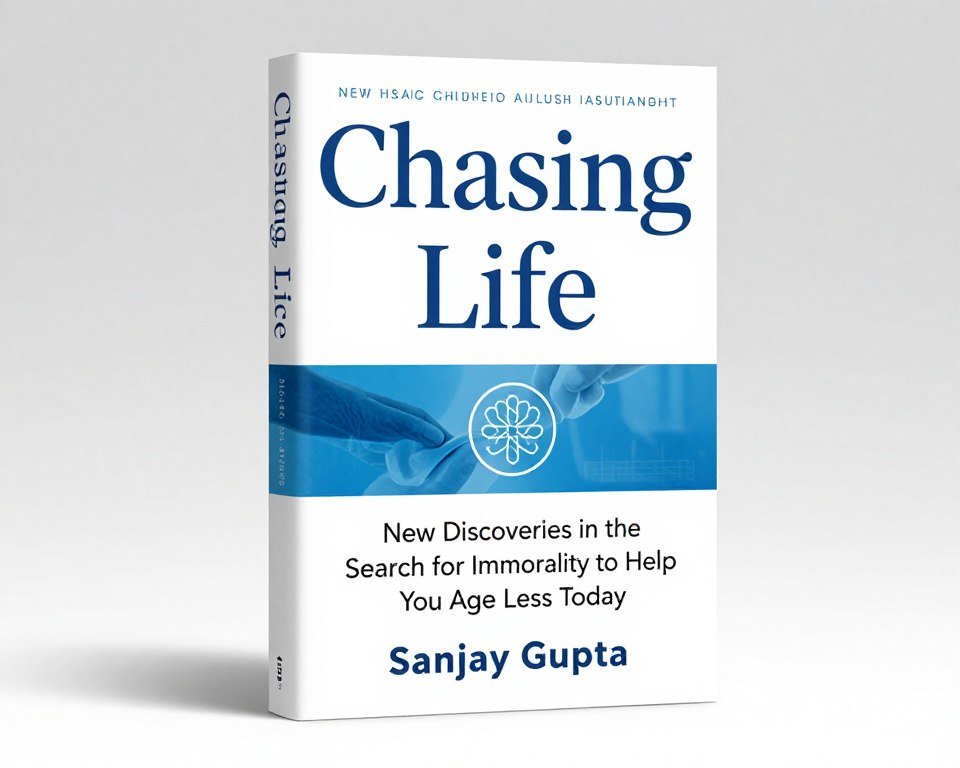
Chasing Life (2007)
In “Chasing Life: New Discoveries in the Search for Immortality to Help You Age Less Today,” Gupta explores cutting-edge longevity research. The book examines what science reveals about extending healthy lifespan and improving quality of life as we age. It offers practical strategies for incorporating longevity principles into daily routines.
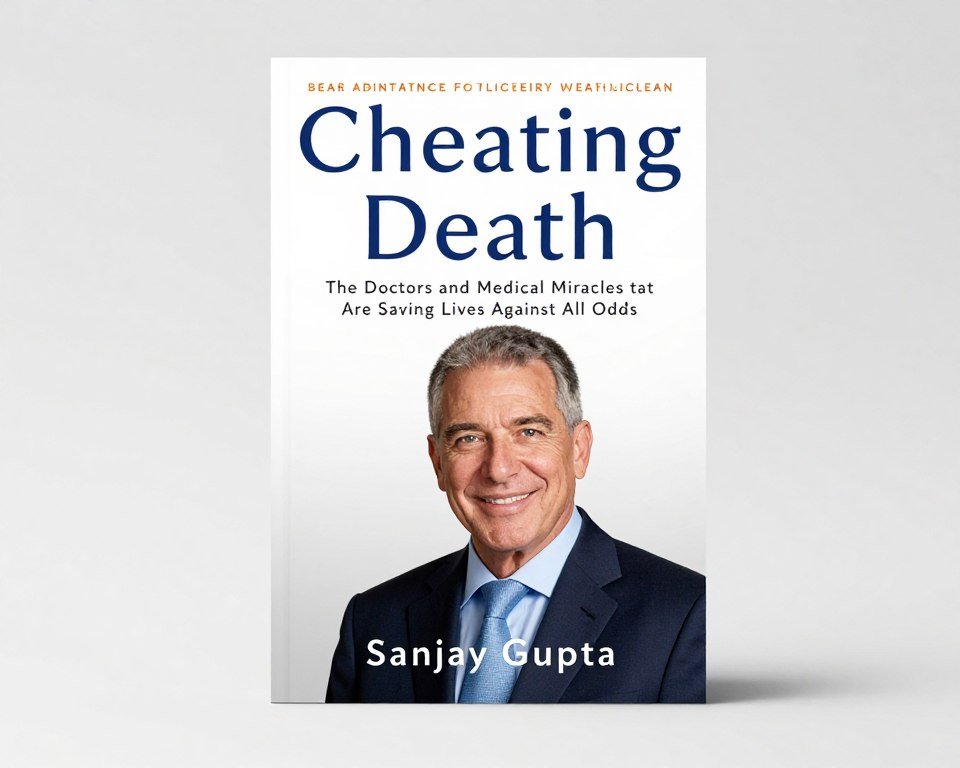
Cheating Death (2009)
“Cheating Death: The Doctors and Medical Miracles that Are Saving Lives Against All Odds” showcases remarkable medical cases where patients survived seemingly impossible situations. Gupta profiles innovative doctors and breakthrough treatments. The book celebrates medical innovation while acknowledging the mysteries that remain in human survival.
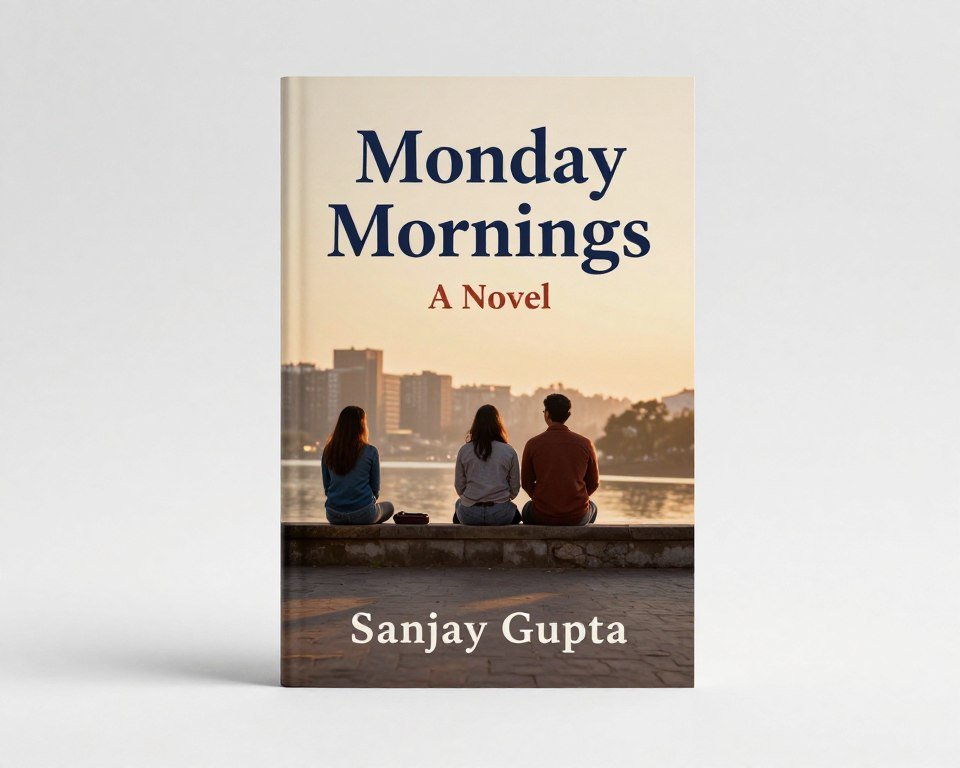
Monday Mornings (2012)
“Monday Mornings: A Novel” marked Gupta’s venture into fiction. Published in March 2012, the novel became an instant New York Times bestseller. Set in a hospital, it explores the emotional and ethical challenges facing surgeons through the lens of morbidity and mortality conferences where doctors examine their mistakes. The book was adapted into a television series in 2013.
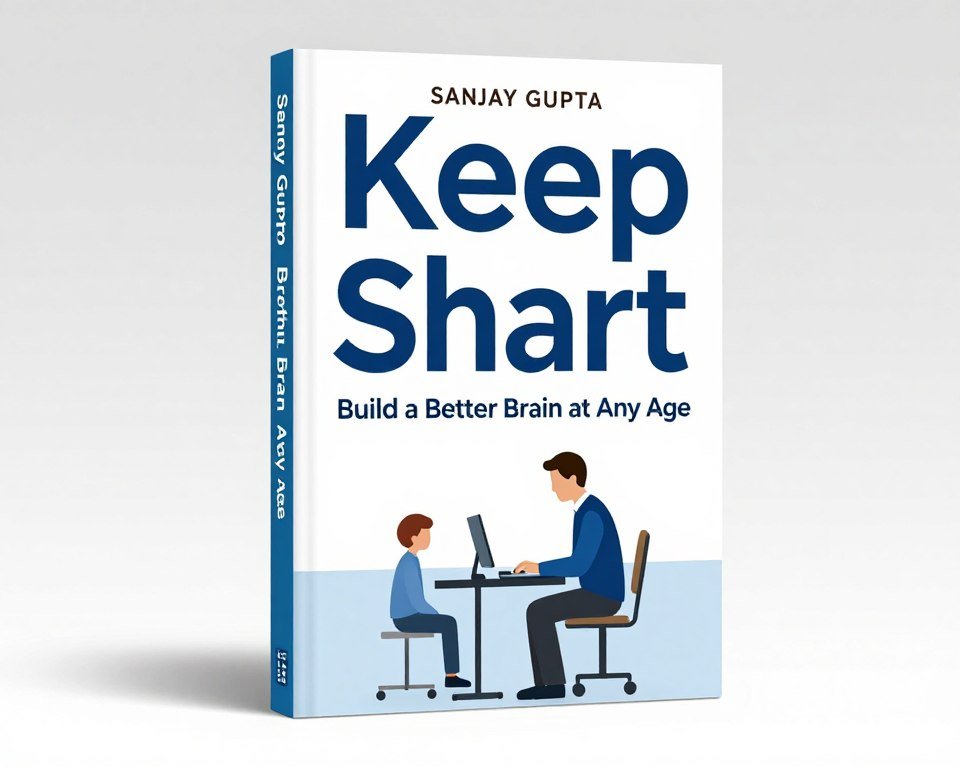
Keep Sharp (2021)
“Keep Sharp: Build a Better Brain at Any Age” synthesizes neuroscience research into actionable brain health strategies. The book offers evidence-based recommendations for maintaining cognitive function throughout life. Gupta presents the five pillars of brain health: movement, mental stimulation, nutrition, sleep, and social connection. This became one of his most influential works.
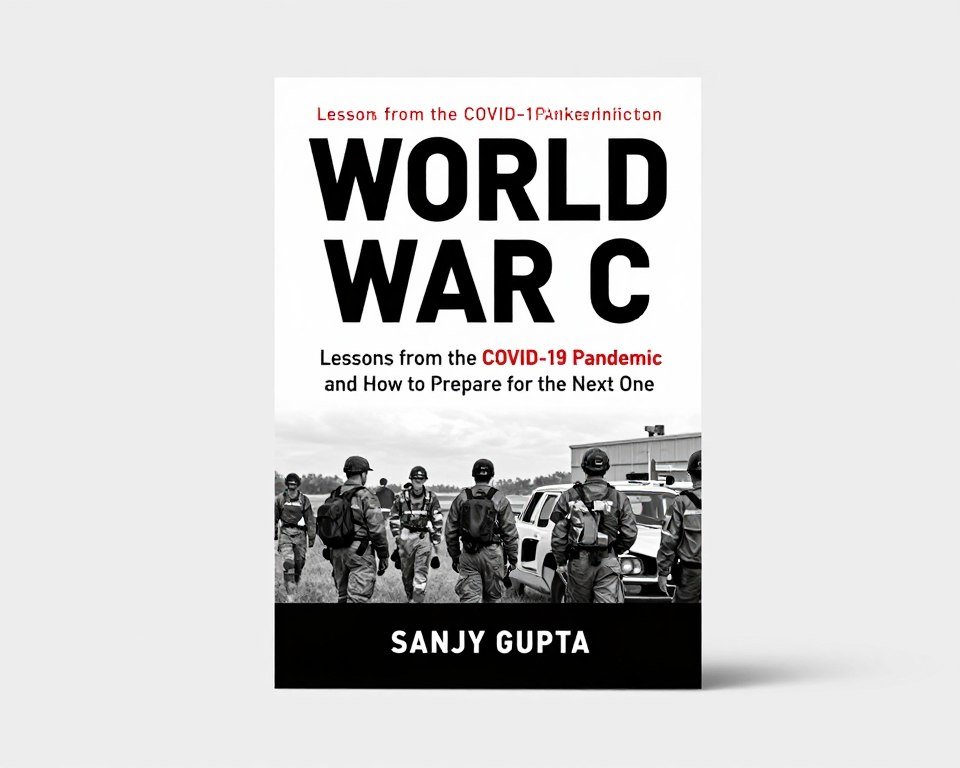
World War C (2021)
“World War C: Lessons from the COVID-19 Pandemic and How to Prepare for the Next One” examines the global pandemic response. Gupta analyzes what went wrong and what went right in managing the crisis. The book provides practical guidance for individuals and policymakers preparing for future health emergencies. His insider perspective from covering the pandemic adds unique insights.
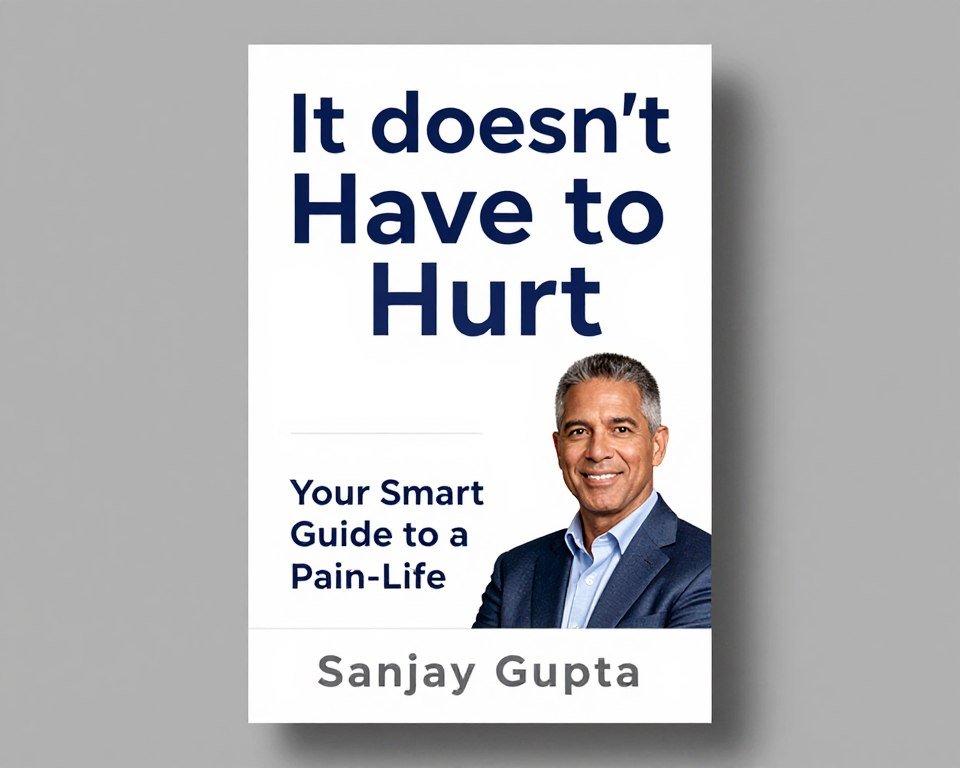
It Doesn’t Have to Hurt (2025)
“It Doesn’t Have to Hurt: Your Smart Guide to a Pain-Free Life” addresses chronic pain management. Scheduled for 2025 release, the book promises to explore evidence-based pain relief strategies beyond medication. Gupta draws on his neurosurgical expertise to explain pain mechanisms and effective treatments. The book will offer hope for millions living with chronic pain.
Beyond books, Gupta published a column in Time magazine for several years. These essays addressed current health issues, medical breakthroughs, and health policy debates. His writing in Time reached millions of readers seeking credible health information from a trusted medical expert.
His literary work complements his television journalism by allowing deeper exploration of complex topics. While television segments often run three to five minutes, books permit comprehensive examination of health issues. This multi-platform approach maximizes his impact as a health educator and advocate.
Legacy and Lasting Impact on Medical Communication
Dr. Sanjay Gupta has fundamentally changed how Americans receive medical information. Before his emergence as CNN’s chief medical correspondent, health reporting often lacked both medical expertise and communication excellence. Gupta brought credibility through his active surgical practice combined with exceptional ability to translate complex science.
His dual career as neurosurgeon and journalist created a new model for physician-communicators. Rather than abandoning clinical practice for media work, he maintained both commitments. This ongoing connection to patient care keeps his reporting grounded in real-world medicine rather than abstract discussions.

During major health crises, Gupta became the go-to source for millions seeking trustworthy information. His coverage of Hurricane Katrina, the Haiti earthquake, and the COVID-19 pandemic demonstrated journalism that serves the public interest. He balanced factual reporting with human compassion, never losing sight of the people behind the statistics.
His brain health advocacy has influenced how people think about cognitive wellness. “Keep Sharp” introduced accessible strategies for maintaining brain function, moving the conversation beyond inevitability toward empowerment. Millions now understand that lifestyle choices affect brain health outcomes.
Gupta’s willingness to change his position on medical marijuana showed intellectual honesty rare in public figures. His public apology and detailed explanation of his evolving views demonstrated that scientific thinking requires updating beliefs when evidence changes. This modeling of intellectual humility strengthened his credibility.
As a member of the National Academy of Medicine and the American Academy of Arts and Sciences, Gupta occupies a unique position. He bridges academic medicine, clinical practice, journalism, and public health advocacy. Few individuals successfully operate across all these domains simultaneously.
His influence extends to aspiring physician-communicators who see him as a role model. Medical schools now recognize that communication skills matter alongside clinical competence. Gupta’s career demonstrates that physicians can serve society through multiple channels, not just direct patient care.
The Life Itself conference represents his vision for the future of health conversations. By bringing together diverse stakeholders in intimate, vulnerable dialogue, he creates space for innovation and healing. This work may ultimately prove as significant as his journalism or surgical practice.
Conclusion: A Career Dedicated to Healing and Truth
Dr. Sanjay Gupta represents the possibility of using multiple talents in service of a single mission: improving human health. His career demonstrates that expertise need not confine itself to one arena. A skilled neurosurgeon can also excel as a journalist, author, and public health advocate.
From his beginnings as the son of Indian immigrants in suburban Michigan to becoming one of America’s most trusted medical voices, Gupta’s journey inspires. He has never forgotten that behind every medical statistic stands a human being with hopes, fears, and loved ones. This humanity permeates all his work.
His willingness to perform surgery in war zones and disaster areas shows that fame and recognition have not separated him from medicine’s fundamental calling: relieving suffering. Whether holding a scalpel in an operating room or a microphone in a television studio, he remains committed to helping people.
As he continues practicing neurosurgery at Grady Memorial Hospital, reporting for CNN, writing books, and advocating for brain health, Dr. Sanjay Gupta embodies the integration of science and communication. His legacy will include not just lives saved in surgery but millions empowered with knowledge to make better health decisions.
The future promises continued contributions from this remarkable physician-journalist. His upcoming book on pain management and ongoing health advocacy suggest he remains far from finished with his mission. Americans will continue turning to him for guidance through medical challenges ahead.
More Info About Dr Sanjay Gupta
1. Who is Dr. Sanjay Gupta?
Dr. Sanjay Gupta is an American neurosurgeon, medical journalist and author. He is widely known as CNN’s chief medical correspondent. He also works as an associate professor of neurosurgery at Emory University and serves as associate chief of neurosurgery at Grady Memorial Hospital in Atlanta.
2. Is Sanjay Gupta a practising neurosurgeon?
Yes. Dr. Gupta is a practising neurosurgeon who has continued working in medicine alongside his television and journalism career. His clinical experience allows him to explain medical topics from the perspective of a trained physician.
3. Where did Sanjay Gupta study medicine?
Sanjay Gupta received his undergraduate degree from the University of Michigan. He later earned his medical degree from the University of Michigan Medical School, where he also completed his neurosurgical training.
4. Why is Sanjay Gupta famous?
Dr. Gupta became famous for explaining complicated health and medical subjects in language that ordinary viewers could understand. As CNN’s chief medical correspondent, he has reported on major disease outbreaks, public-health emergencies, medical discoveries and healthcare issues.
5. What does Sanjay Gupta do at CNN?
At CNN, Dr. Gupta reports on medical news, public health, scientific research and health emergencies. He appears across CNN programmes, produces health-related reports and helps audiences understand the medical importance of major news events.
6. Why is Sanjay Gupta considered a trusted medical voice?
Many viewers value Dr. Gupta’s reporting because he combines medical training, clinical experience and journalism. He is known for presenting scientific information in a clear and practical manner while helping audiences distinguish evidence-based information from health misinformation.
7. Has Sanjay Gupta received any major honours?
Yes. Dr. Gupta has received multiple Emmy Awards for his work in medical journalism. In 2019, he was also elected to the National Academy of Medicine for helping the public understand important medical and public-health challenges.
8. What books has Sanjay Gupta written?
Dr. Gupta is the author of several books about health, the brain and medicine. His well-known titles include Chasing Life, Cheating Death, Monday Mornings, Keep Sharp and World War C.
9. What is Sanjay Gupta’s book Keep Sharp about?
Keep Sharp: Build a Better Brain at Any Age explores ways to protect brain health, maintain cognitive abilities and reduce the risk of mental decline. The book uses scientific research and advice from medical specialists to explain how lifestyle choices can support the brain.
10. Did Sanjay Gupta cover the COVID-19 pandemic?
Yes. Dr. Gupta played a prominent role in explaining COVID-19 developments, medical research, safety recommendations and misinformation during the pandemic. He also wrote World War C, which examines lessons from COVID-19 and preparations for future pandemics.
11. Does Sanjay Gupta still work at Emory University?
Current institutional profiles identify Dr. Gupta as an associate professor at Emory University and associate chief of neurosurgery at Grady Memorial Hospital in Atlanta.
12. Should Sanjay Gupta’s television advice replace medical consultation?
No. Television programmes, articles, podcasts and books provide general educational information. People experiencing symptoms or making important healthcare decisions should consult a qualified medical professional who can evaluate their individual condition.
Health
- 5 Health Benefits of Nitric Oxide Supplements
- 7 Sally Beauty Must-Haves Under $10 That Look Expensive in 2026
- Advanced Amino Formula Reviews: Complete Analysis of This Essential Amino Acid Supplement
- Advanced Mitochondrial Formula Benefits for Energy Boost.
- Bio-Oil Skincare Body Oil Serum Review: 7 Powerful Benefits for Scars, Stretch Marks & Dry Skin
- CircO2 Nitric Oxide Booster Review 2026 – The Powerful Energy
- Free Keto Diet Recipes for Beginners: 17 Powerful & Easy Low-Carb Meals That Actually Work
- Prodentim Review
- Sanjay Gupta: The Neurosurgeon Who Became America’s Trusted Medical Voice
- The Complete Guide to Choosing the Right Supplement for Eye Health
- Top 5 Best Rosemary Oil in India for Hair Growth
- What is the Healthiest Food We Can Eat?