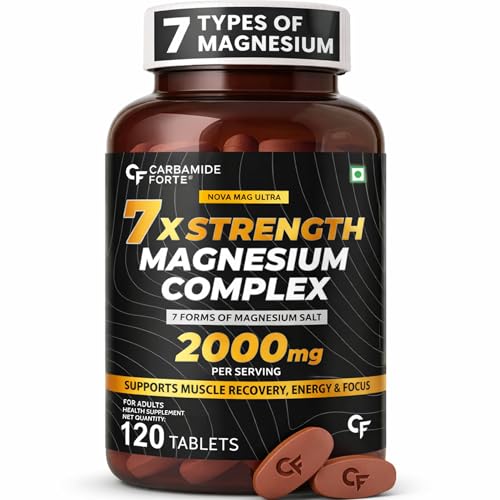
Magnesium plays a crucial role in over 300 biochemical reactions in your body. Yet many people struggle to get enough magnesium from diet alone. Magnesium glycinate stands out among magnesium supplements for its superior absorption and gentle effects on your digestive system.
Table of Contents
- What Is Magnesium Glycinate?
- Health Benefits of Magnesium Glycinate
- When Is the Best Time to Take Magnesium Glycinate?
- Proper Dosage and How Much Magnesium You Need
- How Magnesium Glycinate Compares to Other Types of Magnesium
- Top Magnesium Glycinate Supplements to Consider
- Potential Side Effects and Safety Considerations
- Signs of Magnesium Deficiency and Testing
- Getting Enough Magnesium from Your Diet
- Frequently Asked Questions About Magnesium Glycinate
- Making Magnesium Glycinate Work for You
This essential mineral supports muscle function, bone health, and blood sugar regulation. Understanding when and how to take magnesium glycinate can maximize its benefits for your overall health.
This comprehensive guide explores everything you need to know about magnesium glycinate supplements. You’ll learn about optimal timing, proper dosage, and how this form compares to other types of magnesium available today.
What Is Magnesium Glycinate?

Magnesium glycinate is a mineral supplement that combines magnesium with the amino acid glycine. This unique pairing creates one of the most bioavailable forms of magnesium supplements on the market.
The body absorbs magnesium glycinate more efficiently than many other magnesium types. The glycine component acts as a carrier that helps transport magnesium across your intestinal wall. This process reduces the digestive discomfort that sometimes occurs with other magnesium supplements.
Your body uses magnesium for numerous vital functions. This mineral supports nerve transmission, muscle contraction, and energy production. It also contributes to maintaining normal blood pressure and blood sugar levels.
Important Note: Always consult with your healthcare provider before starting any new supplement regimen, including magnesium glycinate supplements. They can assess your individual needs and potential interactions with medications.
How Magnesium Glycinate Differs From Other Forms
Several types of magnesium supplements exist in the marketplace. Each form has different absorption rates and specific uses. Magnesium glycinate offers distinct advantages over other common forms.
The chelated structure of magnesium glycinate protects the mineral as it passes through your digestive system. This protection allows more magnesium to reach your bloodstream where your body can use it effectively.
Health Benefits of Magnesium Glycinate

Taking magnesium glycinate regularly provides numerous health benefits. Research shows this supplement supports multiple body systems and can help address various health concerns.
Supports Better Sleep Quality
Magnesium glycinate may help improve your sleep patterns. The glycine component has calming properties that promote relaxation. Many people report falling asleep more easily and experiencing deeper, more restful sleep when taking magnesium glycinate.
Low magnesium levels often correlate with sleep difficulties. Supplementing with magnesium glycinate can help restore healthy magnesium levels in your body. This restoration may lead to improved sleep quality over time.
Promotes Muscle and Bone Health
Your muscles need adequate magnesium to function properly. Magnesium glycinate helps prevent muscle cramps and supports normal muscle relaxation. Athletes and active individuals often benefit from maintaining optimal magnesium levels.
Bone health depends significantly on magnesium intake. About sixty percent of your body’s magnesium resides in your bones. Taking magnesium glycinate supplements supports bone density and strength throughout your life.

Regulates Blood Sugar and Blood Pressure
Magnesium plays an important role in blood sugar regulation. It helps your body process glucose effectively. People with low magnesium levels may face increased risk of blood sugar imbalances.
Research suggests magnesium supplementation can support healthy blood pressure levels. Magnesium glycinate helps relax blood vessels, which may contribute to better cardiovascular health. Always work with your doctor when addressing blood pressure concerns.
Reduces Stress and Supports Mental Health
Magnesium deficiency has been linked to increased stress and anxiety. Magnesium glycinate may help calm your nervous system and improve your mood. The supplement supports production of neurotransmitters that regulate emotional well-being.
Many people experience better stress management when their magnesium levels are adequate. The calming effects of glycine complement magnesium’s role in nervous system function.
Key Benefits
- Improves sleep quality and duration
- Supports muscle relaxation and function
- Promotes bone density and strength
- Helps regulate blood sugar levels
- Supports healthy blood pressure
- Reduces stress and anxiety
Who May Benefit Most
People with magnesium deficiency, those experiencing sleep difficulties, individuals with muscle cramps, and anyone struggling with stress may find magnesium glycinate particularly helpful. Your doctor can test your magnesium levels to determine if supplementation is appropriate.
When Is the Best Time to Take Magnesium Glycinate?

Timing your magnesium glycinate intake can influence its effectiveness. The best time depends on your specific health goals and how your body responds to the supplement.
Evening Dosing for Better Sleep
Most experts recommend taking magnesium glycinate in the evening. The supplement’s calming properties work well when taken one to two hours before bedtime. This timing allows the magnesium to begin working as you prepare for sleep.
Taking magnesium glycinate at night capitalizes on both magnesium and glycine’s sleep-promoting effects. Many users report improved sleep quality when maintaining a consistent evening routine with their supplements.
Morning or Daytime Alternatives
Some people prefer taking magnesium glycinate in the morning or with meals. This approach can help if evening doses make you feel too drowsy. Consistency matters more than the specific time you choose.
Taking magnesium glycinate with food can further reduce any potential digestive discomfort. The supplement absorbs well regardless of whether you take it with or without meals.
Evening Timing Benefits
- Promotes relaxation before sleep
- Supports natural sleep cycles
- May improve sleep quality
- Reduces nighttime muscle cramps
Morning Timing Benefits
- Easier to remember with breakfast
- Supports daytime muscle function
- Maintains consistent blood levels
- Works well if evening doses cause drowsiness
Unsure About the Right Timing for You?
Everyone’s body responds differently to supplements. A healthcare professional can help you determine the optimal timing based on your health goals and current medications.
Proper Dosage and How Much Magnesium You Need

Determining the right amount of magnesium glycinate depends on several factors. Your age, sex, and overall health status influence how much magnesium your body needs daily.
Recommended Daily Intake
Adult men typically need about four hundred milligrams of magnesium per day. Adult women require around three hundred ten to three hundred twenty milligrams daily. These recommendations increase during pregnancy and breastfeeding.
Many people don’t get enough magnesium from their diet alone. Common magnesium-rich foods include leafy greens, nuts, seeds, and whole grains. Even with a healthy diet, supplementation may be necessary for some individuals.
Starting with Magnesium Glycinate Supplements
Most experts suggest starting with a lower dose of magnesium glycinate. Begin with one hundred to two hundred milligrams daily and gradually increase if needed. This approach helps your body adjust to the supplement.
The maximum safe dose varies by individual. Most people tolerate up to four hundred milligrams of supplemental magnesium daily. Higher doses should only be taken under medical supervision to avoid potential side effects.
Dosage Warning: Taking too much magnesium can lead to digestive issues and other complications. Never exceed recommended doses without consulting your doctor, especially if you have kidney disease or take certain medications.
Factors Affecting Your Magnesium Needs
Several conditions may increase your magnesium requirements. Athletes and physically active people often need more magnesium due to increased losses through sweat. Stress, certain medications, and digestive disorders can also affect magnesium levels.
Your doctor can perform blood tests to check your magnesium status. Low magnesium levels indicate a need for higher supplementation. Regular monitoring helps ensure you maintain optimal magnesium levels safely.
| Age/Group | Recommended Daily Magnesium | Common Food Sources |
| Adult Men (19-30) | 400 mg | Pumpkin seeds, almonds, spinach |
| Adult Women (19-30) | 310 mg | Black beans, cashews, brown rice |
| Adult Men (31+) | 420 mg | Halibut, whole wheat bread, avocado |
| Adult Women (31+) | 320 mg | Edamame, dark chocolate, quinoa |
| Pregnant Women | 350-360 mg | Fortified cereals, yogurt, bananas |
How Magnesium Glycinate Compares to Other Types of Magnesium

Understanding different types of magnesium helps you choose the best supplement for your needs. Each magnesium form has unique characteristics that affect absorption and specific health benefits.
Magnesium Citrate
Magnesium citrate combines magnesium with citric acid. This form absorbs well and often works as a gentle laxative. People frequently use magnesium citrate for occasional constipation relief.
The supplement can cause looser stools at higher doses. This side effect makes it less suitable for regular long-term supplementation compared to magnesium glycinate.
Magnesium Oxide
Magnesium oxide contains a high percentage of elemental magnesium. However, your body absorbs this form poorly compared to other options. It works effectively for short-term relief of heartburn and constipation.
Most healthcare providers don’t recommend magnesium oxide for addressing magnesium deficiency. The low absorption rate means less magnesium reaches your bloodstream.
Why Magnesium Glycinate Stands Out
Magnesium glycinate offers superior absorption without the laxative effects common with other forms. The chelated structure protects magnesium during digestion, allowing more to enter your system.
This form rarely causes digestive upset, making it ideal for people with sensitive stomachs. The added glycine provides calming benefits that other magnesium types lack.
Magnesium Glycinate Advantages
- Highly bioavailable and well-absorbed
- Gentle on digestive system
- Supports relaxation and sleep
- Less likely to cause diarrhea
- Suitable for long-term use
Other Forms May Be Better For
- Quick constipation relief (citrate)
- Heartburn treatment (oxide)
- Lower cost options (oxide)
- Specific medical conditions (as directed)
- Short-term therapeutic use
Top Magnesium Glycinate Supplements to Consider
Choosing a quality magnesium glycinate supplement ensures you get the full benefits of this important mineral. These carefully selected options represent some of the best magnesium glycinate supplements available today.
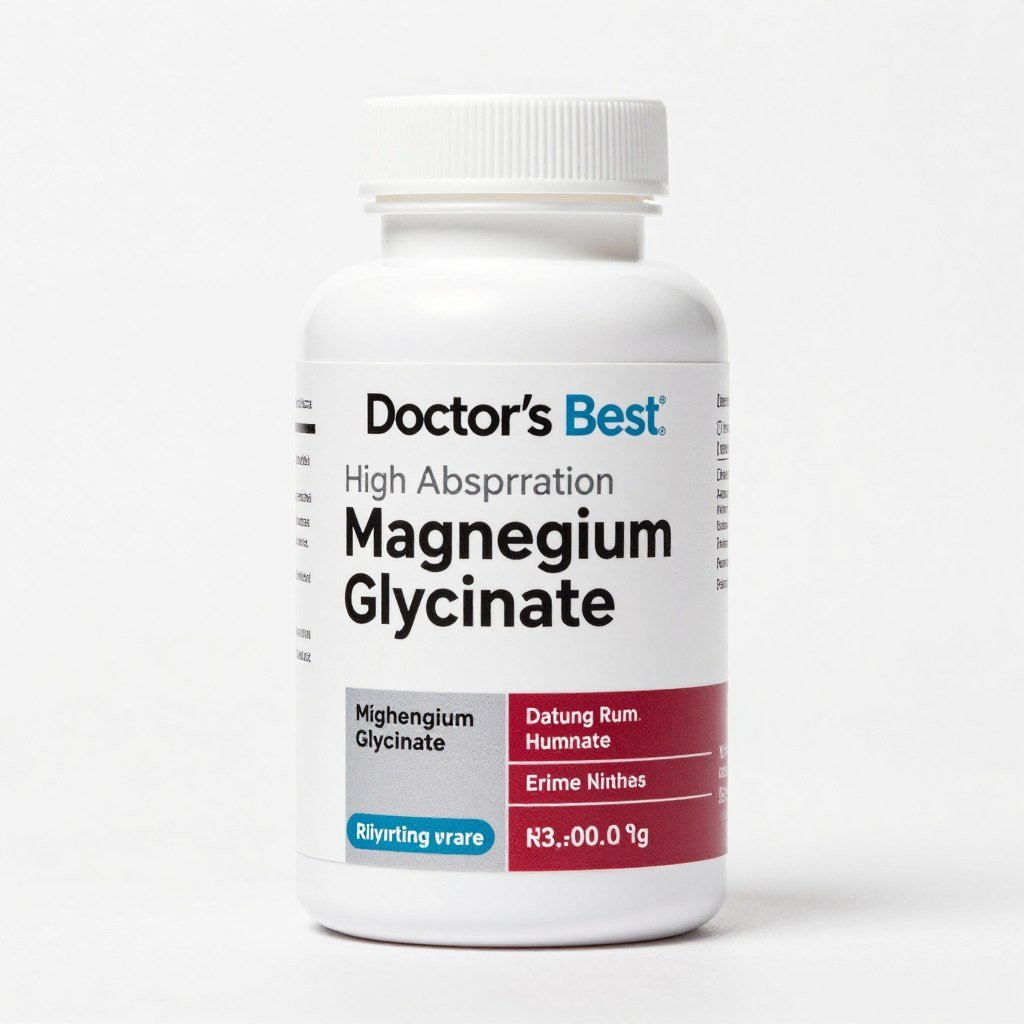
Doctor’s Best High Absorption Magnesium
This chelated magnesium glycinate provides excellent absorption. Each serving delivers two hundred milligrams of elemental magnesium. The formula uses TRAACS mineral chelates for optimal bioavailability.
- Highly bioavailable chelated form
- Non-GMO and gluten-free
- Gentle on stomach
- Third-party tested for purity
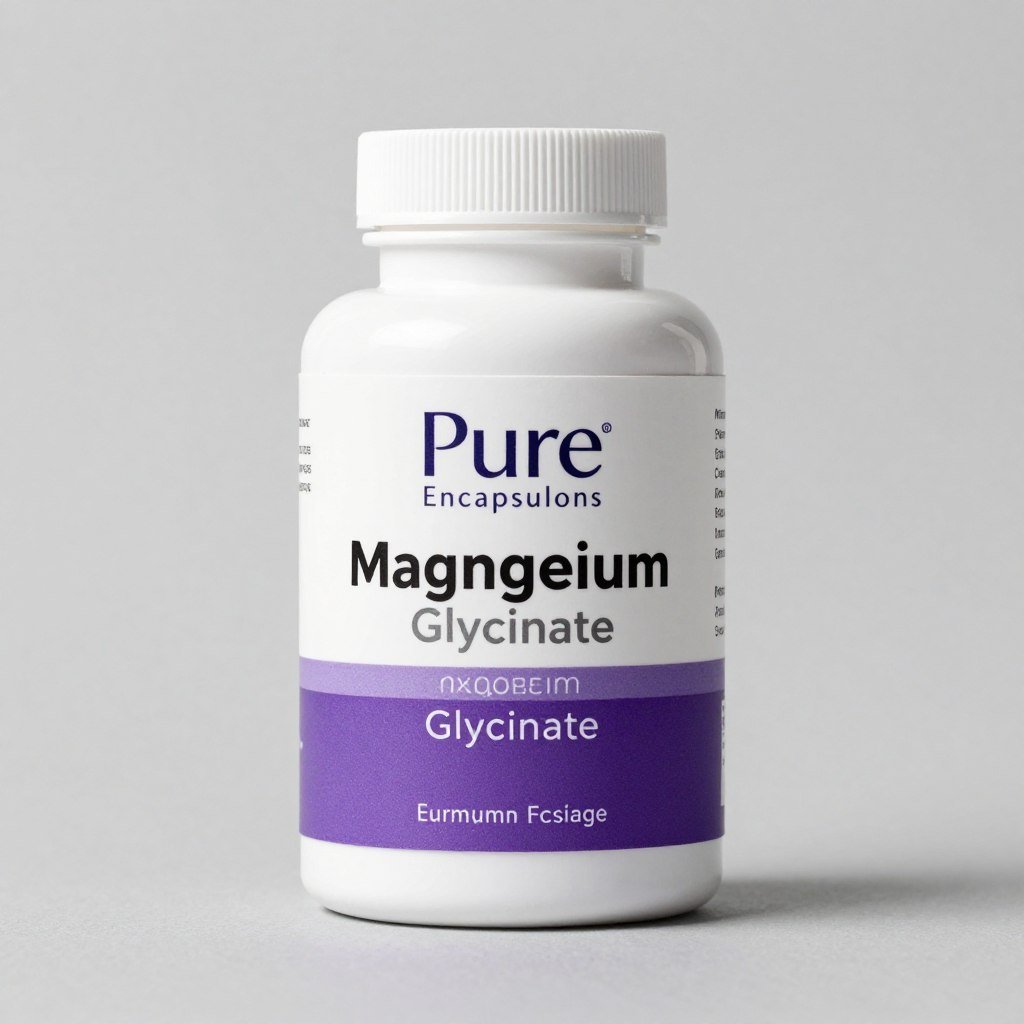
Pure Encapsulations Magnesium Glycinate
A hypoallergenic supplement that supports muscle relaxation and sleep quality. This premium formula contains one hundred twenty milligrams of magnesium per capsule in pure glycinate form.
- Hypoallergenic formulation
- Free from common allergens
- Professional-grade quality
- Made with premium ingredients
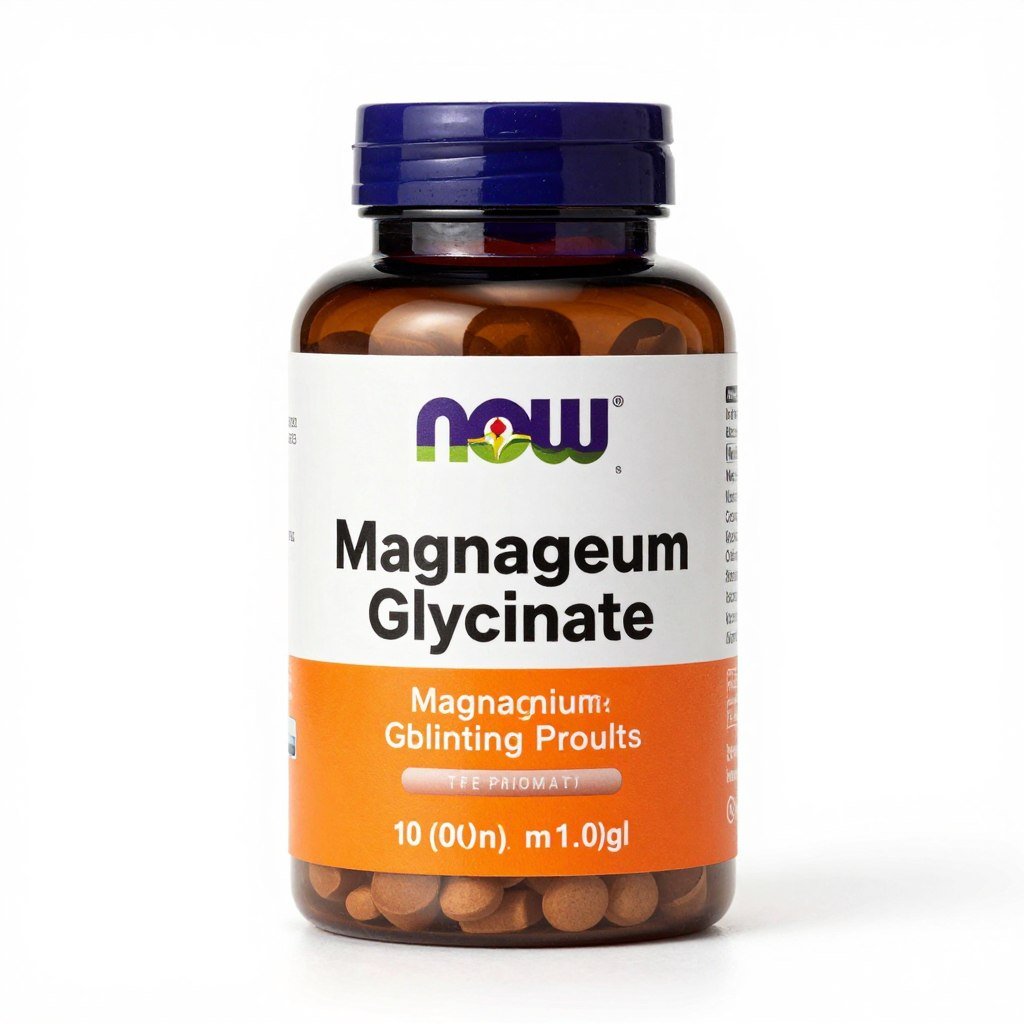
NOW Foods Magnesium Glycinate
An affordable option that delivers one hundred thirty-three milligrams of magnesium per serving. NOW Foods combines magnesium with glycine for enhanced absorption and nervous system support.
- Excellent price-to-quality ratio
- GMP certified manufacturing
- Vegan and non-GMO
- Trusted brand reputation
Choosing Quality Supplements
Look for magnesium glycinate supplements that undergo third-party testing. Check for certifications like NSF, USP, or ConsumerLab. These independent verifications ensure the product contains what the label claims and is free from harmful contaminants.
Potential Side Effects and Safety Considerations

Magnesium glycinate is generally safe for most people when taken appropriately. Understanding potential side effects and safety precautions helps you use this supplement effectively.
Common Side Effects
Most people tolerate magnesium glycinate well with minimal side effects. Some individuals may experience mild digestive changes when first starting supplementation. These effects typically resolve as your body adjusts.
Taking too much magnesium can lead to diarrhea, nausea, or stomach cramping. Starting with a lower dose and gradually increasing helps minimize these issues. Magnesium glycinate causes fewer digestive problems than other magnesium forms.
Who Should Avoid or Use Caution
People with kidney disease should consult their doctor before taking magnesium supplements. Impaired kidney function can prevent proper magnesium excretion, leading to dangerous accumulation in your body.
Certain medications interact with magnesium supplements. Antibiotics, blood pressure medications, and bone health drugs may be affected. Always inform your healthcare provider about all supplements you take.
When to Exercise Caution
- Kidney disease or impaired kidney function
- Heart rhythm disorders
- Taking certain medications
- Pregnancy or breastfeeding (consult doctor first)
- Digestive disorders affecting absorption
Important Safety Information
Stop taking magnesium glycinate and contact your doctor if you experience severe stomach pain, irregular heartbeat, difficulty breathing, or signs of an allergic reaction. These symptoms require immediate medical attention.
Medication Interactions
Magnesium can affect how your body absorbs certain medications. Bisphosphonates for bone health work best when separated from magnesium by at least two hours. Some antibiotics also require careful timing with magnesium supplements.
Blood pressure medications may become more effective when combined with magnesium. This interaction can be beneficial but requires medical supervision to prevent blood pressure from dropping too low.
Signs of Magnesium Deficiency and Testing

Recognizing magnesium deficiency symptoms helps you determine whether supplementation might benefit you. Many people have low magnesium levels without realizing it.
Common Deficiency Symptoms
Muscle cramps and spasms often indicate insufficient magnesium intake. These painful contractions typically affect your legs, especially at night. Adequate magnesium levels help muscles relax properly.
Fatigue and weakness can result from low magnesium. This mineral plays a key role in energy production within your cells. Persistent tiredness despite adequate sleep may warrant checking your magnesium status.
Physical Symptoms
- Frequent muscle cramps or spasms
- Persistent fatigue and weakness
- Numbness or tingling sensations
- Irregular heartbeat
- Difficulty sleeping
Mental and Emotional Signs
- Increased anxiety or nervousness
- Mood changes or irritability
- Difficulty concentrating
- Memory problems
- Heightened stress response
Testing Your Magnesium Levels
Blood tests can measure your magnesium levels, though standard tests may not always reflect total body magnesium accurately. Most magnesium resides inside cells rather than in blood plasma.
Your doctor may recommend additional testing if symptoms suggest deficiency despite normal blood levels. Red blood cell magnesium tests provide more detailed information about your overall magnesium status.
Risk Factors for Deficiency
Certain conditions increase your risk of developing low magnesium. Digestive disorders that affect nutrient absorption can deplete magnesium levels. Type 2 diabetes also increases magnesium loss through urine.
Chronic stress depletes magnesium stores over time. Regular alcohol consumption interferes with magnesium absorption and increases excretion. Older adults often absorb nutrients less efficiently, raising deficiency risk.
Getting Enough Magnesium from Your Diet

While magnesium glycinate supplements offer concentrated doses, obtaining nutrients from food provides additional health benefits. A balanced diet rich in magnesium-containing foods supports overall wellness.
Best Food Sources of Magnesium
Dark leafy greens top the list of magnesium-rich foods. Spinach, Swiss chard, and kale provide substantial amounts of this essential mineral. One cup of cooked spinach contains about one hundred fifty milligrams of magnesium.
Nuts and seeds offer excellent magnesium content along with healthy fats. Pumpkin seeds, almonds, and cashews rank among the best sources. Just one ounce of pumpkin seeds provides nearly half your daily magnesium needs.
Whole Grains and Legumes
Whole grains retain their magnesium content unlike refined grains. Brown rice, quinoa, and whole wheat products contribute meaningful amounts to your daily intake. Choose whole grain options whenever possible.
Beans and legumes provide magnesium along with protein and fiber. Black beans, chickpeas, and lentils support healthy magnesium levels. These versatile foods fit easily into many meal plans.
Vegetables
- Spinach (cooked)
- Swiss chard
- Broccoli
- Brussels sprouts
- Avocado
Nuts and Seeds
- Pumpkin seeds
- Almonds
- Cashews
- Sunflower seeds
- Brazil nuts
Other Sources
- Dark chocolate
- Black beans
- Whole wheat bread
- Quinoa
- Edamame
Combining Diet and Supplements
Even with a nutritious diet, some people struggle to get enough magnesium from food alone. Modern agricultural practices have reduced mineral content in soil, affecting nutrient levels in crops. Supplements can fill gaps in your nutrition.
Track your dietary magnesium intake for several days to assess whether you meet recommended amounts. This information helps you and your doctor determine if magnesium glycinate supplements would benefit your health.
Frequently Asked Questions About Magnesium Glycinate
Can I take magnesium glycinate every day?
Yes, you can take magnesium glycinate daily for long-term supplementation. This form is gentle enough for regular use and provides consistent support for maintaining healthy magnesium levels. Always follow recommended dosages and consult your healthcare provider for personalized guidance.
How long does it take for magnesium glycinate to work?
Some people notice improvements in sleep quality within a few days of starting magnesium glycinate. However, correcting a deficiency and experiencing full benefits typically takes several weeks of consistent supplementation. Patience and regular use yield the best results.
Will magnesium glycinate help me sleep better?
Magnesium glycinate may help improve sleep quality, especially when taken in the evening. Both magnesium and glycine promote relaxation and support healthy sleep patterns. Many users report falling asleep more easily and experiencing more restful sleep with regular use.
Is magnesium glycinate safe during pregnancy?
Pregnant women need adequate magnesium for their health and baby’s development. However, you should always consult your obstetrician before starting any supplement during pregnancy. Your doctor can recommend appropriate dosages based on your individual needs and health status.
Can magnesium glycinate cause weight gain?
Magnesium glycinate does not directly cause weight gain. This supplement contains minimal calories and supports metabolic health. Some people experience reduced water retention when correcting a magnesium deficiency, which may actually lead to slight weight loss.
What makes magnesium glycinate better than other forms?
Magnesium glycinate offers superior absorption compared to many other magnesium forms. The chelated structure protects magnesium during digestion, allowing more to reach your bloodstream. It also causes fewer digestive side effects and provides additional calming benefits from the glycine component.
Making Magnesium Glycinate Work for You
Magnesium glycinate stands out as one of the most effective and well-tolerated magnesium supplements available. Its superior absorption and gentle effects make it suitable for addressing magnesium deficiency and supporting overall health.
The best time to take magnesium glycinate depends on your individual goals. Evening supplementation maximizes sleep benefits, while morning doses work well for maintaining consistent blood levels throughout the day. Consistency matters more than the exact timing you choose.
Starting with appropriate dosages and gradually adjusting based on your response helps you find the right amount for your needs. Most adults benefit from two hundred to four hundred milligrams daily, though individual requirements vary.
Remember that supplements work best as part of a comprehensive health approach. Combine magnesium glycinate with a nutritious diet rich in magnesium-containing foods. Stay physically active, manage stress effectively, and maintain good sleep habits for optimal results.
Ready to Experience the Benefits of Magnesium Glycinate?
Take the next step toward better health with high-quality magnesium glycinate supplements. Consult with a healthcare professional to determine the right approach for your individual needs.
Whether you choose to supplement or focus on dietary sources, maintaining adequate magnesium levels supports numerous aspects of your health. From better sleep to stronger bones, this essential mineral plays countless vital roles in keeping your body functioning optimally.