
Table of Contents
- Introduction
- Mobile Phones and Smartphones
- Rice and Food Grains
- Clothing and Textiles
- Automobiles and Two-Wheelers
- Electronics and Home Appliances
- Personal Care and Beauty Products
- Tea and Beverages
- Medicines and Healthcare Products
- Gold and Jewelry
- Fast Moving Consumer Goods (FMCG)
- Market Trends and Consumer Behavior
- Conclusion
Introduction
India’s consumer market is one of the largest and most diverse in the world. Understanding the top 10 most selling products in India gives us valuable insight into what drives the Indian economy and consumer preferences. From smartphones to traditional gold jewelry, these best selling products in India reflect both modern needs and cultural values that have shaped buying patterns for generations.
The Indian market is unique because it combines traditional purchasing habits with rapidly growing digital adoption. Whether you’re a business owner, investor, or simply curious about consumer trends, knowing these top 10 most selling products in India will help you understand the country’s economic landscape better.
Mobile Phones and Smartphones
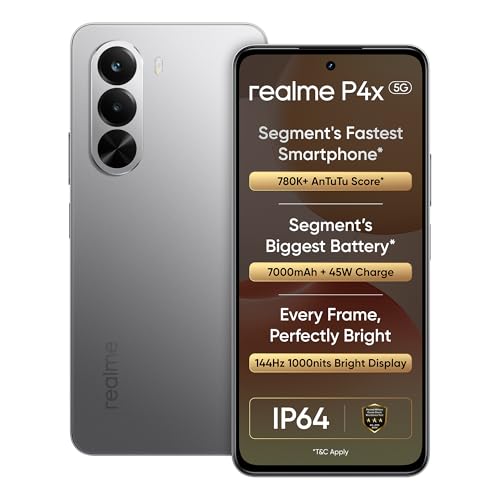
Mobile phones top the list of top 10 most selling products in India and for good reason. With over 750 million smartphone users, India represents the second-largest mobile market globally. The average Indian consumer upgrades their phone every 2-3 years, creating consistent demand.


Market Leaders and Price Segments
The smartphone market in India is divided into several price segments:
- Budget phones (Under ₹15,000): Xiaomi, Samsung, and Realme dominate this space
- Mid-range phones (₹15,000-₹30,000): OnePlus, Samsung, and Apple compete heavily
- Premium phones (Above ₹30,000): Apple and Samsung lead with flagship models
Why Smartphones Sell So Well
Several factors contribute to smartphones being among the top 10 most selling products in India:
- Increasing internet penetration in rural areas
- Affordable 4G and 5G data plans
- Growing digital payment adoption
- Online education and remote work requirements
- Social media and entertainment consumption
The government’s Digital India initiative has also pushed smartphone adoption, making them essential rather than luxury items for most families.
Rice and Food Grains
Rice remains one of the most purchased products in India because it’s the staple food for over 65% of the population. India produces and consumes more rice than any other country, making it a consistent top seller across all regions.
Regional Preferences and Varieties
Different regions prefer different types of rice:
- Basmati rice: Popular in North India and premium export markets
- Jasmine rice: Common in Eastern states like West Bengal
- Sona Masoori: Preferred in South Indian states
- Broken rice: Used in rural areas and for animal feed
Market Size and Distribution
The Indian rice market is worth over $50 billion annually. Most sales happen through:
- Traditional retail stores and local vendors
- Government-run Public Distribution System (PDS)
- Online grocery platforms like BigBasket and Grofers
- Wholesale markets and direct farmer sales
Food grains including wheat, pulses, and millets also rank among India’s top selling products because they form the foundation of Indian cuisine and nutrition.
Clothing and Textiles
The textile and clothing industry makes this category one of the best selling products in India. India’s textile market serves both domestic consumption and global export needs, generating over $100 billion in annual revenue.



Traditional vs Modern Clothing
Indian consumers buy both traditional and western clothing:
Traditional Clothing:
- Sarees and lehengas for women
- Kurtas and dhotis for men
- Regional ethnic wear
- Festival and wedding attire
Modern Clothing:
- Casual shirts and t-shirts
- Jeans and trousers
- Western dresses
- Formal business wear
Shopping Channels and Brands
Clothing sales happen across multiple channels:
- Online platforms: Myntra, Amazon, Flipkart
- Retail chains: Reliance Trends, Shoppers Stop, Lifestyle
- Local markets: Street vendors and local tailors
- Brand stores: Fabindia, W, Zara, H&M
The rise of fast fashion and affordable online shopping has made clothing one of the top 10 most selling products in India, especially among younger consumers.
Automobiles and Two-Wheelers
Two-wheelers, particularly motorcycles and scooters, rank among the top 10 most selling products in India due to their affordability and practicality for Indian road conditions and traffic patterns.
Two-Wheeler Market Dominance
India is the world’s largest two-wheeler market with annual sales exceeding 15 million units. Popular brands include:
- Motorcycles: Hero MotoCorp, Bajaj, TVS, Honda
- Scooters: Honda Activa, TVS Jupiter, Suzuki Access
- Electric vehicles: Ola Electric, Ather, Bajaj Chetak
Four-Wheeler Segment
While smaller in volume, cars also contribute to making automobiles one of India’s most selling products:
- Budget cars: Maruti Suzuki dominates with Alto, Swift, and WagonR
- Mid-segment: Hyundai, Tata, and Mahindra compete with SUVs and sedans
- Luxury cars: BMW, Mercedes, and Audi serve the premium market
Factors Driving Auto Sales
Several trends boost automobile sales:
- Rising disposable income in urban and semi-urban areas
- Improved road infrastructure
- Easy financing options and low interest rates
- Growing preference for personal mobility over public transport
- Government support for electric vehicles
Electronics and Home Appliances
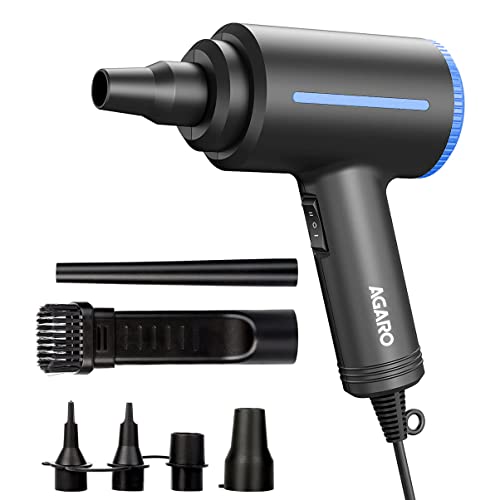
Consumer electronics consistently rank among the top 10 most selling products in India as households upgrade their living standards and adopt modern conveniences.


Essential Home Appliances
The most popular electronics include:
Kitchen Appliances:
- Refrigerators (LG, Samsung, Whirlpool)
- Washing machines (IFB, Bosch, Samsung)
- Microwave ovens and mixers
- Induction cooktops and food processors
Entertainment Electronics:
- LED televisions (Samsung, LG, Sony)
- Music systems and soundbars
- Gaming consoles and accessories
Comfort Appliances:
- Air conditioners (Voltas, LG, Daikin)
- Air coolers and fans
- Water heaters and purifiers
Online vs Offline Sales
Electronics sales happen through:
- Online platforms: Amazon, Flipkart offer competitive pricing and EMI options
- Retail chains: Croma, Reliance Digital provide hands-on experience
- Local dealers: Offer personalized service and installation
- Brand stores: Direct sales with warranty support
The festival season (October-November) sees massive electronics sales, making them peak among most selling products in India during this period.
Personal Care and Beauty Products
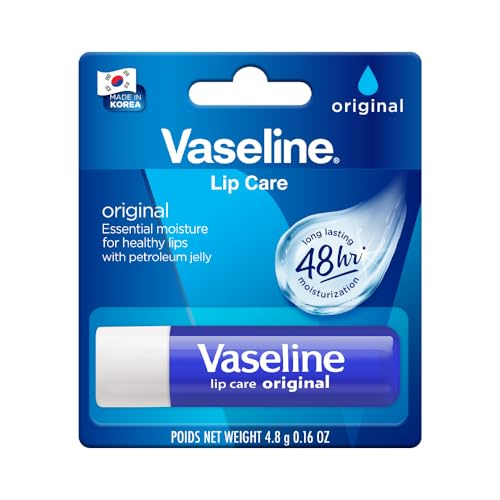
The personal care industry has grown rapidly, making these products part of the top 10 most selling products in India. Rising awareness about hygiene and grooming has expanded this market beyond urban areas.

Categories and Popular Brands
Skincare Products:
- Face creams and lotions (Pond’s, Olay, Lakme)
- Cleansers and face wash (Himalaya, Garnier)
- Sunscreen and anti-aging products
Hair Care:
- Shampoos and conditioners (Pantene, L’Oreal, Head & Shoulders)
- Hair oils (Parachute, Dabur, Marico)
- Hair styling products and treatments
Personal Hygiene:
- Soaps and body wash (Lux, Dove, Lifebuoy)
- Toothpaste and mouthwash (Colgate, Pepsodent)
- Deodorants and perfumes
Market Growth Drivers
Several factors make personal care among India’s top 10 most selling products in india:
- Increasing urban population and lifestyle changes
- Social media influence and beauty consciousness
- Rising disposable income among women
- Growing male grooming market
- Expansion of organized retail and e-commerce
The industry serves both premium and mass markets, ensuring wide accessibility across different income groups.
Tea and Beverages
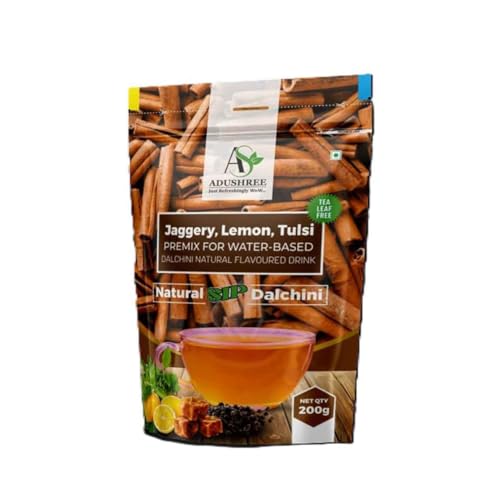
Tea consumption makes beverages one of the most selling products in India. With over 1 billion cups consumed daily, tea is deeply embedded in Indian culture and social habits.
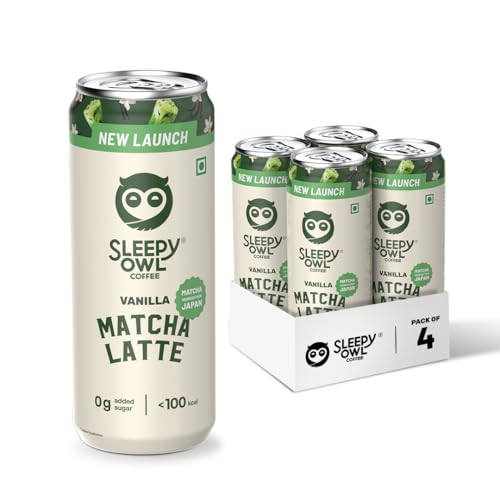
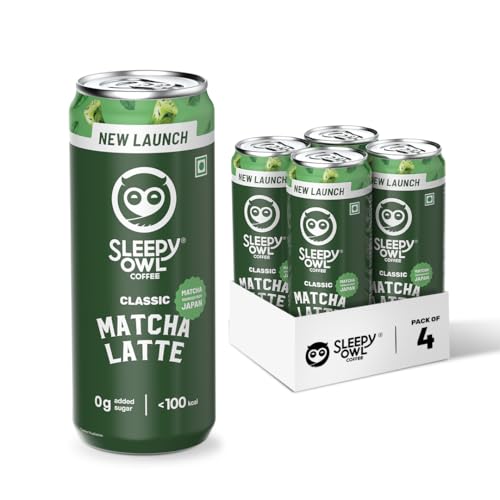
Tea Market Segments
Packaged Tea Brands:
- Tata Tea and Tetley
- Red Label and Brooke Bond
- Society Tea and Wagh Bakri
- Premium brands like Typhoo and Lipton
Regional Preferences:
- North India prefers milk tea (chai)
- South India consumes both tea and filter coffee
- Eastern states like Assam and Darjeeling teas
- Western regions enjoy spiced and flavored variants
Other Beverage Categories
Beyond tea, other beverages contribute to this category:
- Coffee: Instant coffee (Nescafe, Bru) and cafe culture
- Soft drinks: Coca-Cola, Pepsi, and local brands like Thums Up
- Fruit juices: Fresh and packaged options from Tropicana, Real
- Energy drinks: Red Bull, Monster, and Indian brands
The beverage market benefits from India’s hot climate, social drinking culture, and the hospitality tradition of offering tea to guests.
Medicines and Healthcare Products
Healthcare products rank among India’s top selling products due to the large population, increasing health awareness, and growing lifestyle diseases.


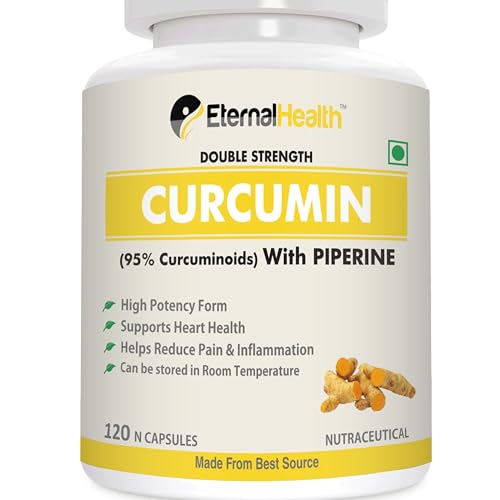
Pharmaceutical Market Structure
India’s pharmaceutical market is worth over $40 billion and includes:
Prescription Medicines:
- Antibiotics and pain relievers
- Diabetes and blood pressure medications
- Heart and cholesterol drugs
- Mental health and neurological medicines
Over-the-Counter Products:
- Vitamins and supplements
- Cough and cold medicines
- Digestive aids and antacids
- Pain relief gels and ointments
Traditional and Modern Healthcare
The market serves diverse healthcare approaches:
- Allopathic medicines: Modern pharmaceutical drugs
- Ayurvedic products: Traditional Indian medicine (Dabur, Himalaya)
- Homeopathic remedies: Alternative treatment options
- Health supplements: Protein powders, multivitamins
Market Growth Factors
Several trends drive healthcare product sales:
- Aging population requiring chronic disease management
- Rising health consciousness and preventive care
- Government healthcare initiatives and insurance coverage
- Telemedicine and online pharmacy growth
- Increasing disposable income for healthcare spending
Gold and Jewelry
Gold consistently remains among the most selling products in India due to cultural significance, investment value, and gifting traditions. India consumes about 25% of global gold production annually.

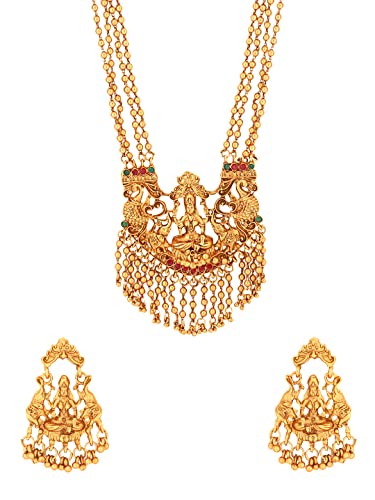
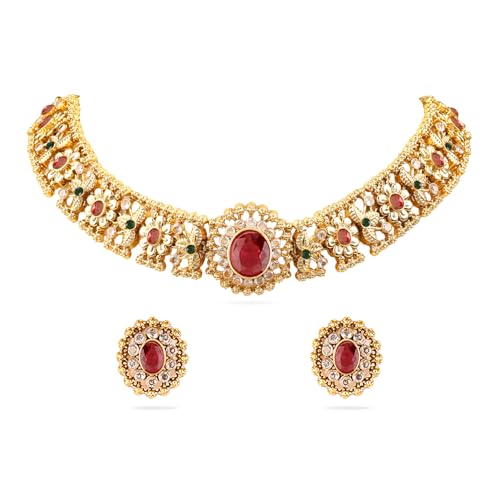
Cultural and Economic Importance
Gold holds special meaning in Indian society:
- Wedding jewelry: Essential for marriages and ceremonies
- Festival purchases: Bought during Diwali, Akshaya Tritiya
- Investment hedge: Protection against inflation and currency fluctuation
- Religious significance: Used in temple offerings and rituals
Market Segments and Players
Organized Retail:
- National chains like Tanishq, Kalyan Jewellers
- Regional players like Joyalukkas, Malabar Gold
- Premium boutique stores
Traditional Markets:
- Local jewellers and family businesses
- Gold markets in cities like Mumbai, Delhi, Chennai
- Rural and semi-urban jewellery shops
Factors Affecting Gold Sales
Gold sales fluctuate based on:
- International gold prices and currency rates
- Government import duties and regulations
- Festival seasons and wedding dates
- Economic uncertainty and investment sentiment
- Digital gold and gold ETF alternatives
Fast Moving Consumer Goods (FMCG)
FMCG products collectively represent some of the best selling products in India because they’re essential daily-use items with regular repurchase cycles.


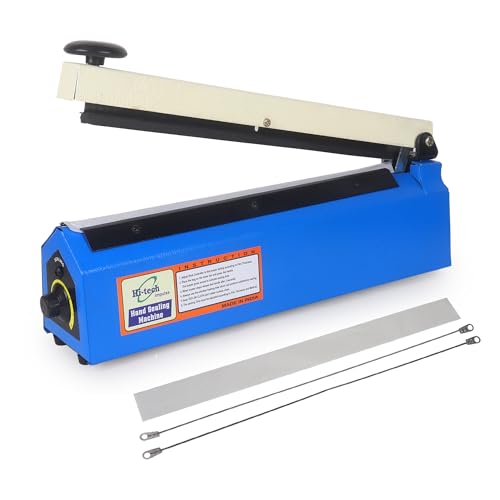
Major FMCG Categories
Food and Beverages:
- Packaged snacks (Haldiram’s, Parle, ITC)
- Instant noodles (Maggi, Top Ramen)
- Biscuits and confectionery
- Cooking oils and spices
Home Care Products:
- Detergents and fabric care (Surf, Ariel, Wheel)
- Dishwashing and cleaning products
- Floor and bathroom cleaners
- Air fresheners and pest control
Personal Care Items:
- Baby care products (Johnson & Johnson, Himalaya)
- Feminine hygiene products
- Oral care and dental products
- Men’s grooming essentials
Distribution and Sales Channels
FMCG products reach consumers through:
- Traditional retail: Neighborhood stores and local markets
- Modern trade: Supermarkets and hypermarkets
- E-commerce: Online grocery platforms
- Direct selling: Door-to-door and network marketing
The FMCG sector benefits from India’s large population, increasing urbanization, and rising consumer spending on convenience products.
Market Trends and Consumer Behavior
Understanding consumer behavior helps explain why these remain the top 10 most selling products in India. Several trends shape the Indian market:
Digital Transformation
Online shopping has changed how Indians buy products:
- E-commerce platforms offer better pricing and convenience
- Digital payments make transactions easier and safer
- Social media influences purchase decisions
- Customer reviews and ratings guide buying choices
Rural Market Growth
Rural consumers increasingly contribute to sales of most selling products in India:
- Improved connectivity and infrastructure
- Rising agricultural income and government schemes
- Penetration of brands into smaller towns
- Changing lifestyle aspirations
Sustainability and Health Focus
Modern consumers prioritize:
- Eco-friendly and sustainable products
- Organic and natural alternatives
- Health and wellness-focused choices
- Local and traditional brand preferences
Conclusion
The top 10 most selling products in India reflect a unique blend of traditional needs and modern aspirations. From smartphones that connect people to the digital world, to gold that preserves cultural values, these products define the Indian consumer landscape.
Understanding these most popular products in India helps businesses, investors, and policymakers make informed decisions. As India’s economy grows and consumer preferences evolve, some products may change in ranking, but the core categories likely will remain relevant.
The diversity in this list shows India’s market complexity – spanning from basic necessities like food grains to luxury items like gold jewelry. This variety creates opportunities for businesses across different sectors and price points.
What trends do you see shaping India’s consumer market? Share your thoughts on how these top 10 most selling products in India might evolve in the coming years.
FAQs: Top 10 Most Selling Products in India – Market Analysis for 2026
1. What products are included in the top 10 most selling list for India in 2026?
The list typically includes consumer essentials like smartphones, clothing and textiles, food and beverages, personal care items, home appliances, automobiles (especially two-wheelers), medicines and healthcare products, electronics, beauty products, and household goods. The exact ranking depends on market data and consumer buying patterns.
2. How is this market analysis data collected and verified?
The analysis uses data from multiple sources including retail sales reports, e-commerce platforms, government statistics, industry associations, and market research firms. Data is cross-verified through different channels to ensure accuracy and reliability of the findings.
3. Are these rankings based on quantity sold or total revenue generated?
The rankings typically consider both factors – the number of units sold and the total revenue generated. This gives a complete picture of market performance, as some products may sell in high volumes but generate lower revenue, while others may have fewer sales but higher value.
4. Does this analysis include both online and offline sales?
Yes, the analysis covers both online and offline sales channels. This includes traditional retail stores, e-commerce platforms, direct sales, and other distribution channels to provide a complete market overview.
5. How reliable are the predictions for 2026?
The predictions are based on current market trends, historical data, economic indicators, and consumer behavior patterns. While market research methods are thorough, predictions can change due to unforeseen economic conditions, policy changes, or global events.
6. Are regional differences within India considered in this analysis?
Yes, the analysis takes into account regional variations in consumer preferences, purchasing power, and market conditions across different states and cities in India. This helps provide a more accurate national picture.
7. What factors influence these product rankings?
Key factors include population growth, income levels, changing lifestyle patterns, government policies, seasonal demands, price changes, availability of products, marketing efforts, and overall economic conditions in the country.
8. How often is this market analysis updated?
Market analysis is typically updated annually or quarterly, depending on the research organization. Regular updates help track changing consumer preferences and market conditions to maintain accuracy.
9. Can small businesses use this information for their planning?
Yes, small businesses can use this data to understand market trends, identify opportunities, plan inventory, choose product categories to enter, and make informed business decisions based on consumer demand patterns.
10. Where can I find the complete detailed report of this analysis?
The complete report is usually available through the research organization’s website, market research platforms, industry publications, or business databases. Some reports may be free while others might require purchase or subscription.
Related Articles
- Top 10 Most Selling Products in India: A Complete Market Analysis for 2026
- Bulk SMS Service Provider in India – Fast, Reliable & DLT Approved 2026
- How Google Search Works 2026: Understanding the Algorithm Behind Billions of Daily Searches
- Top 10 Benefits of Using a Free Invoice Generator Online in 2025
- A Product Reviews: Your Guide to Building Trust and Boosting Sales