Ever wondered why your last cold felt different from others? The virus keeps changing, leading to unusual physical changes not seen before. It’s key to understand these changes to stay healthy.
This new covid variant poses unique challenges, leaving many confused. Scientists are tracking every covid mutation to understand how it affects us. By staying informed, you can protect yourself and your loved ones.
In this article, we’ll look at strange signs of the latest strain. We aim to give you clear, helpful info to stay prepared and aware of your health.
Key Takeaways
- Recognizing early signs helps in managing health effectively.
- Recent strains often present with non-traditional symptoms.
- Staying updated on public health guidance remains a top priority.
- Consulting a doctor is vital if you feel unwell.
- Small lifestyle adjustments can significantly lower your personal risk.
Understanding the Evolution of the New Covid Variant
The latest coronavirus strain has caused worry worldwide. It spreads fast and shows new symptoms. Knowing how it evolved is key to understanding its impact.
The Science Behind Viral Mutations
Viruses change due to copying mistakes. The COVID-19 virus mutates more than others because it’s an RNA virus. These changes can affect how easily it spreads and how sick it makes people.
“The mutation rate of SARS-CoV-2 is relatively high, which allows it to adapt quickly to different environments and hosts,” said a virologist.
These changes happen randomly. But, some mutations are more likely to spread because of how they interact with the immune system and cells.
| Factor | Influence on Mutation |
|---|---|
| Immune Pressure | Drives the selection of mutations that help the virus evade the host’s immune system |
| Receptor Binding | Mutations can enhance or reduce the virus’s ability to bind to host cell receptors |
| Replication Rate | Faster replication can lead to more mutations, potentially increasing viral load |
Why Symptoms Shift Over Time
As the virus mutates, its symptoms can change too. This happens because the virus interacts differently with the body. For example, a mutation might make it harder for the virus to infect certain cells, leading to new symptoms.
The symptoms of the latest strain might be different from earlier ones. Knowing these changes helps doctors diagnose and treat COVID-19 better.
In conclusion, the new COVID-19 variant evolves through mutations. By understanding these changes, we can prepare for and tackle the challenges it brings.
Common vs. Unusual Symptoms: What Has Changed
The COVID-19 pandemic has shown a wide range of symptoms, from mild to severe. At first, symptoms like fever, cough, and shortness of breath were common. But, with new variants, symptoms have shifted.
Distinguishing Between Classic and Novel Signs
Classic symptoms like fever and cough are still common. But, thecurrent pandemic varianthas brought new symptoms. These include unusual signs like nausea or diarrhea, which can be the main symptoms for some.
It’s crucial for doctors to understand these changes. This helps them diagnose and treat COVID-19 better. It also aids in creating better public health plans to fight the virus.
The Role of Immune Memory in Symptom Expression
Immune memory affects how symptoms show up in people who’ve had COVID-19 or been vaccinated. The immune system’s memory can make symptoms less severe and quicker to respond. But, it can also cause different symptoms because of the virus’s changes.
Neurological and Cognitive Manifestations
Recent studies show the updated COVID strain causes new neurological symptoms. The virus now affects more than just the lungs. It impacts the brain and thinking skills too.
The updated COVID strain brings a range of neurological symptoms. These can be mild or severe. It’s important to know what causes them and how they affect people’s lives.
Brain Fog and Persistent Concentration Issues
Brain fog is a common symptom. It makes it hard to think clearly and focus. This can really disrupt daily life and work.
People with brain fog often feel very tired mentally. This can last for a long time, even after they’ve recovered from COVID.
Unexplained Dizziness and Vertigo
Another symptom is unexplained dizziness and vertigo. These can be scary because they can happen without warning. They can also make it hard to balance and move.
Dizziness and vertigo might be caused by the virus affecting the inner ear or brain. Sometimes, people also feel sick to their stomach and throw up. This makes things even worse.
It’s key to understand these symptoms to help those affected by the updated COVID strain. Knowing about these symptoms helps doctors give better care and support.
Dermatological Changes and Skin-Related Symptoms
The evolving covid virus is causing changes in the skin. These changes are a big worry for doctors and patients. They need to know about the new skin symptoms.
Rashes and Unusual Skin Irritations
People with the new covid variant are getting rashes and skin irritations. These can be mild or very serious, like urticaria and vesicular eruptions.
Rashes can be a sign of infection. Sometimes, they come with other symptoms too.
Doctors are still trying to figure out why this happens. But, it seems the virus makes the immune system react, causing skin inflammation.
Doctors need to spot these symptoms to help patients properly.
The Phenomenon of Covid Toes
“Covid toes” is a strange symptom of the new variant. It shows up as lesions or color changes on the toes. These can be painful and swollen.
Researchers think it’s because of the body’s fight against the virus. This fight can cause inflammation in the toes.
Gastrointestinal Disturbances and Their Frequency
The new coronavirus variant has shown a range of gastrointestinal issues. These were not as common with earlier strains. Understanding these symptoms is key for treating the disease.
Gastrointestinal symptoms from the new COVID-19 variant can really affect people’s lives. They are not just uncomfortable. They also play a big role in how the disease is seen clinically.
Many people with the new variant of the coronavirus have gastrointestinal problems. Studies show a big number of them have these symptoms. This makes them a big part of the disease’s symptoms.
Nausea and Appetite Changes
Nausea and changes in appetite are common symptoms. They can be mild or very severe. They can also affect how much someone eats, leading to dehydration and malnutrition.
Nausea can really hurt someone’s ability to stay hydrated and get enough nutrients. If someone has persistent nausea, they should see a doctor to help manage it.
Abdominal Pain as a Primary Indicator
Abdominal pain is a key sign of gastrointestinal issues in COVID-19 cases with the new variant. The pain can be mild or very severe. It varies a lot from person to person.
Abdominal pain is sometimes missed in COVID-19, where breathing problems are more common. But, it’s a very important sign. It can help doctors diagnose the disease, even when other symptoms are mild or missing.
Sensory Alterations Beyond Loss of Taste and Smell
The new covid variant brings more than just loss of taste and smell. Research shows it also affects other senses. These changes are a big part of what people with the infection go through.
Changes in Auditory Perception
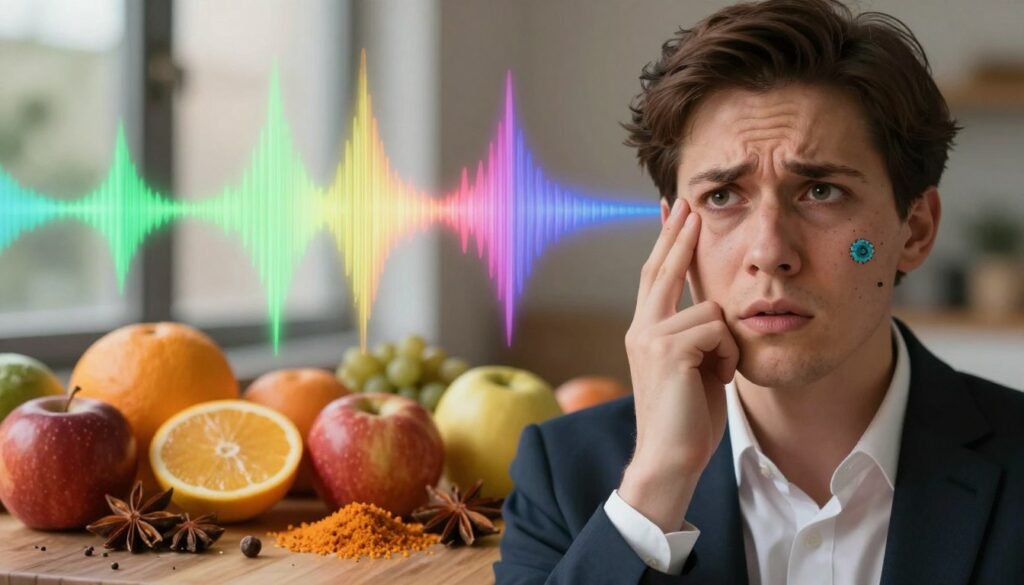
Some people notice changes in how they hear. They might hear ringing in the ears or be too sensitive to certain sounds. These changes can really upset someone’s day-to-day life.
Sensitivity to Light and Sound
Many folks find they’re more sensitive to light and sound. This can feel overwhelming. Even things that wouldn’t normally bother them can now cause discomfort or pain.
It’s key to know these signs might mean you have the new covid variant. Understanding these changes helps people deal with them better. And if needed, they can get the right medical help.
Cardiovascular and Respiratory Anomalies
The new virus strain is causing big problems for heart and lung health. It’s linked to many symptoms that worry doctors and the public.
The virus seems to affect the heart. Heart palpitations and tachycardia have been seen in many cases. This shows the virus might harm the heart.
Heart Palpitations and Tachycardia
Heart palpitations make your heart feel like it’s beating irregularly. Tachycardia makes your heart beat too fast. A study found COVID-19 can mess with heart rate and rhythm.
“The occurrence of heart palpitations and tachycardia in COVID-19 patients underscores the need for careful cardiac monitoring.”
Researchers are still figuring out how the virus affects the heart. But it’s thought to be either direct or indirect.
Shortness of Breath Without Coughing
Shortness of breath without coughing is another big symptom. It’s scary because it can mean lung problems even without coughing.
| Symptom | Possible Indication |
|---|---|
| Shortness of Breath | Respiratory distress or potential lung involvement |
| Heart Palpitations | Cardiac issues or stress response |
| Tachycardia | Increased heart rate, potentially due to infection or inflammation |
Watching for these symptoms is key to catching problems early. The table above shows what these symptoms might mean.
In short, the new virus is a big worry for heart and lung health. Knowing these symptoms can help you get help fast if you feel your heart racing or have trouble breathing.
The Impact of Vaccination on Symptom Presentation
As the novel coronavirus mutation evolves, it’s key to understand how vaccination affects symptoms. Vaccines are crucial in fighting the pandemic. Their role in managing symptoms of the current variant is of great interest.
Vaccines have changed how we handle COVID-19. They make it less likely for people to get sick and, if they do, symptoms are milder. Vaccination is vital in reducing symptom severity from the new virus.
Boosters and Symptom Severity
Booster shots aim to boost our immune response to the virus. Studies show they can make symptoms less severe by offering extra protection against the current variant.
“Boosters not only increase antibody levels but also help the body fight off the virus better. This reduces symptom severity.” This is especially important for those at higher risk of severe illness.
Breakthrough Cases and Mild Symptoms
Breakthrough cases, where vaccinated people still get sick, are of interest. However, most of these cases have mild symptoms. This shows vaccination still protects against severe illness.
A study found that those who got booster shots had fewer severe symptoms than unvaccinated or non-boosted individuals. This highlights the need to keep up with vaccination schedules.

In summary, vaccination greatly impacts symptom presentation in those who get the new COVID variant. It reduces symptom severity and lowers the risk of severe illness. Vaccines remain a crucial tool in managing the pandemic.
When to Seek Medical Attention for Emerging Virus Strains
It’s crucial to know when to seek medical help with the changing COVID-19 virus. New symptoms have appeared as the virus mutates. Staying informed helps protect ourselves and others.
Red Flag Symptoms Requiring Urgent Care
Certain symptoms of the updated covid strain need immediate medical care. These include:
- Severe difficulty breathing or shortness of breath
- Chest pain or pressure that persists
- Confusion or inability to arouse
- Severe headache or stiff neck
Health experts say, “Spotting these red flag symptoms early can greatly improve covid-19 outcomes.”
Monitoring Oxygen Levels and Vital Signs
It’s important to watch oxygen levels and vital signs if you have symptoms of the recent virus variation. A low oxygen level is a sign you might need medical help.
| Vital Sign | Normal Range | When to Seek Help |
|---|---|---|
| Oxygen Saturation | 95% – 100% | Below 93% |
| Heart Rate | 60 – 100 bpm | Above 120 bpm or below 40 bpm |
| Respiratory Rate | 12 – 20 breaths/min | Above 24 breaths/min |
“The key to managing the evolving covid virus is early detection and response to severe symptoms.”
Conclusion
As the fresh coronavirus variant evolves, it’s key to know its symptoms and what they mean for public health.
The new variant brings unusual symptoms. These include neurological and cognitive issues, skin changes, and stomach problems.
It’s important to stay updated on these symptoms and how severe they can be. This helps in catching and treating the virus early.
Vaccines are a big help in fighting the pandemic. Getting boosters can also make symptoms less severe.
By staying alert and following health guidelines, we can all help stop the virus from spreading.