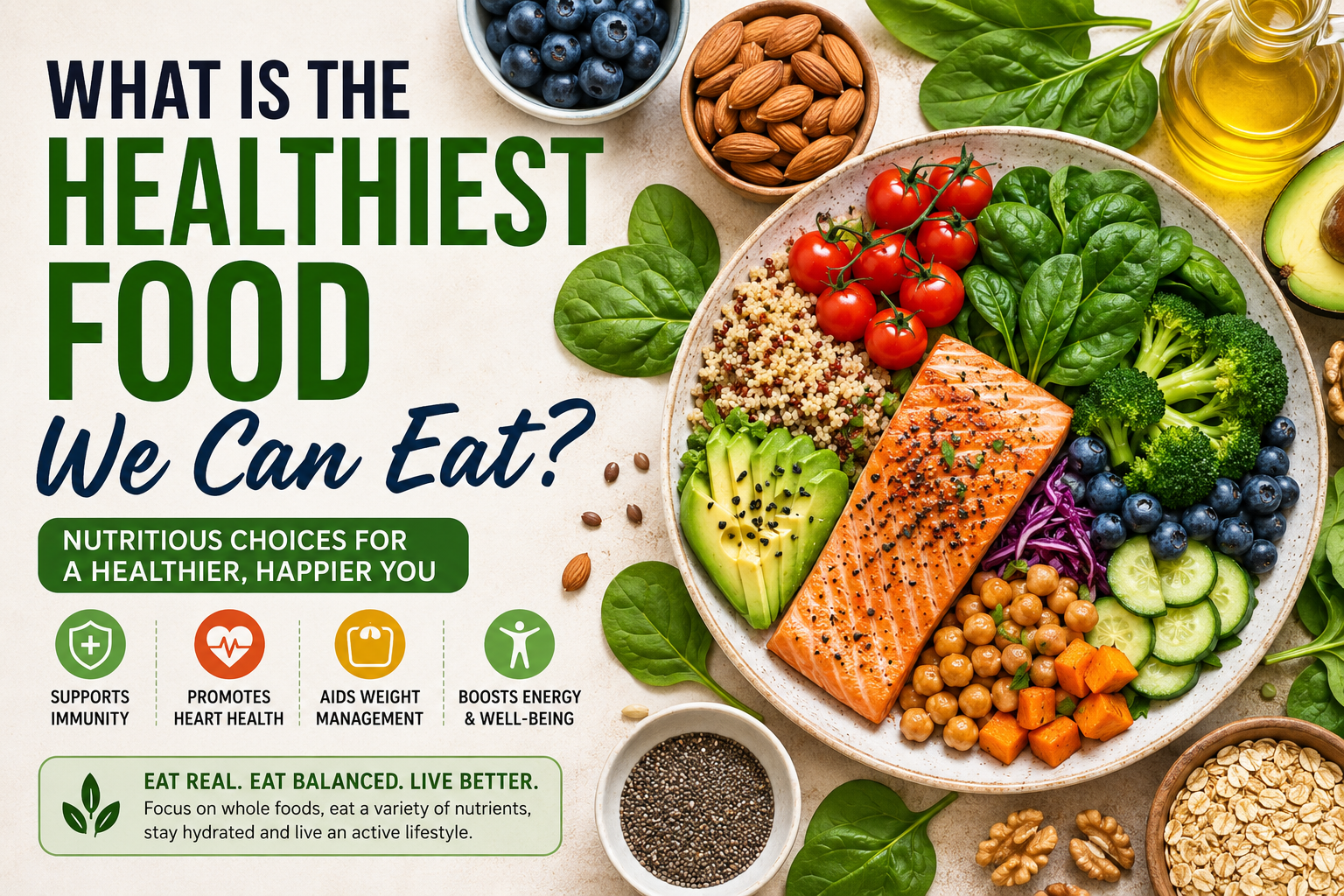
When we talk about what is the healthiest food we can eat, we’re delving into a topic that is both fundamental to our well-being and surprisingly complex. There isn’t one single “healthiest food” that acts as a magic bullet for all our nutritional needs. Instead, the consensus among health experts points to a diverse, balanced, and nutrient-rich dietary pattern as the cornerstone of optimal health. Our food choices profoundly impact our physical health, mental well-being, and overall quality of life.
Table of Contents
Defining the Healthiest Food
The concept of “healthiest food” isn’t about identifying a single item, but rather understanding that true health comes from a variety of foods working synergistically. Healthy foods provide the essential nutrients—vitamins, minerals, macronutrients (carbohydrates, proteins, fats), and beneficial plant compounds—that our bodies need to thrive. The World Health Organization (WHO) emphasizes that a healthy diet is crucial for protecting against malnutrition and noncommunicable diseases like diabetes, heart disease, stroke, and cancer.
A diet focused on nutrient-dense foods—those rich in vitamins, minerals, and other health-promoting components with little to no added sugars, saturated fat, or sodium—is highly recommended. As author and journalist Michael Pollan famously advises, “Came From A Plant, Eat It; Was Made In A Plant, Don’t.”. This highlights the importance of choosing whole, unprocessed foods over highly processed alternatives.
Core Categories of Optimal Foods
To build a diet around what is the healthiest food we can eat, we should focus on several core categories that consistently provide a wide array of benefits. These categories form the foundation of most healthy eating guidelines, including those from the USDA and Harvard’s Healthy Eating Plate.
Vegetables and Fruits
Vegetables and fruits are paramount for their rich supply of vitamins, minerals, dietary fiber, plant protein, and antioxidants. They are generally low in calories and high in nutrients, making them essential for weight management and overall health.
- Dark Green Vegetables: Options like spinach, kale, broccoli, and Brussels sprouts are packed with vitamins A and C, potassium, carotenoids, and folate. Brussels sprouts, for instance, are rich in the plant compound kaempferol, while spinach contains beta carotene, lutein, and zeaxanthin, which support healthy vision.
- Red and Orange Vegetables: Sweet potatoes, carrots, and winter squash offer important vitamins and antioxidants.
- Berries: Blueberries, raspberries, blackberries, and strawberries are high in fiber, naturally sweet, and rich in antioxidants like anthocyanins, which are linked to memory health.
- Avocado: A nutrient-dense fruit providing monounsaturated fats, fiber, carotenoids, and potassium.
Whole Grains
Whole grains contain the entire grain kernel—bran, germ, and endosperm—providing more fiber and nutrients than refined grains. They are a crucial source of complex carbohydrates and dietary fiber.
- Oats: A versatile whole grain often consumed as oatmeal.
- Brown Rice: A healthier alternative to white rice, offering more fiber.
- Quinoa: A popular choice among health-conscious individuals, offering a complete protein profile.
- Buckwheat: Despite its name, it’s a seed rather than a grain, naturally gluten-free, and boasts an enviable antioxidant profile.
Protein Foods
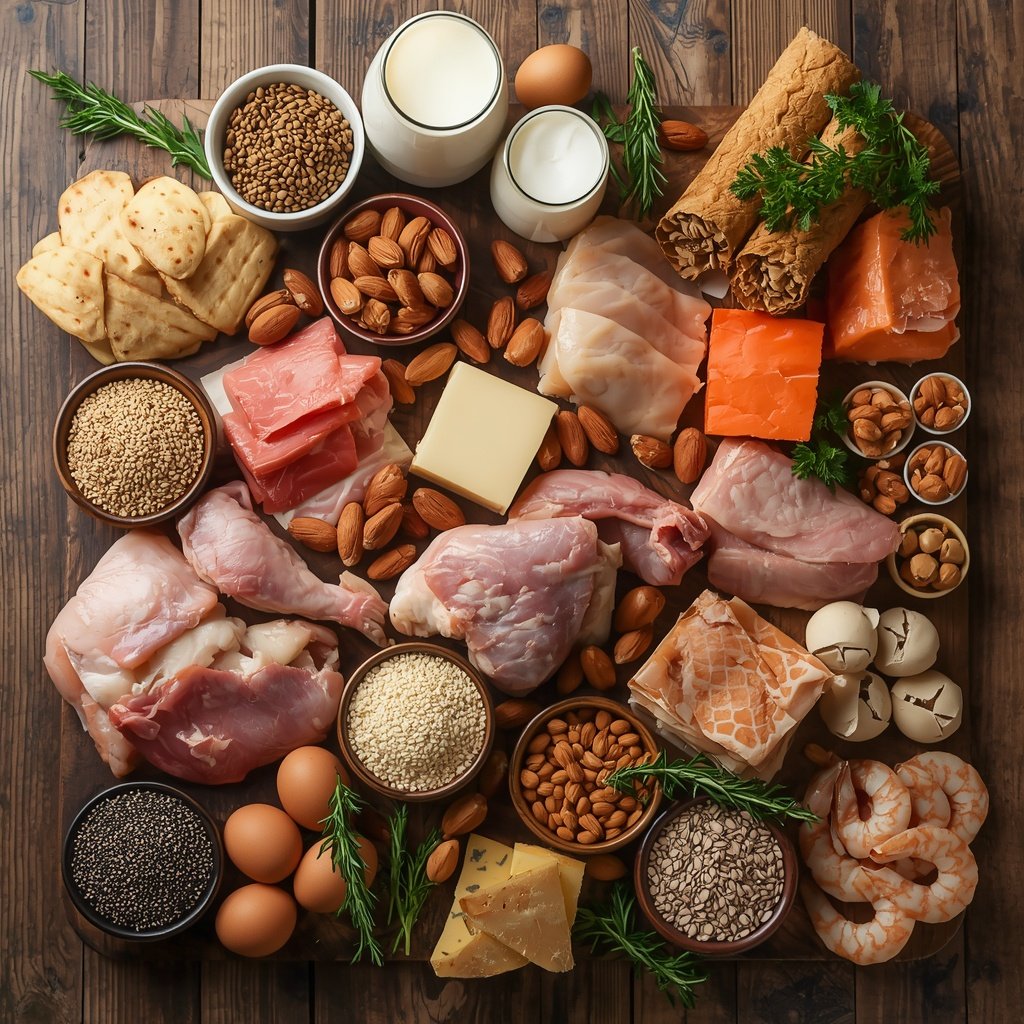
Protein is vital for muscle support, repair, and overall body function. Focusing on lean and plant-based sources can offer additional health benefits.
- Fish: Oily fish like salmon, trout, herring, and sardines are excellent sources of omega-3 fatty acids, which support heart health, brain function, and healthy joints.
- Beans and Lentils: These legumes are rich in fiber, folate, iron, potassium, and protein, and can improve cholesterol levels and protect against colon cancer.
- Eggs: Nutritionally rich, eggs provide almost every essential nutrient, including vitamins D and B12, iodine, and are a complete protein. Omega-3 enriched eggs offer additional benefits.
- Nuts and Seeds: Almonds, walnuts, pistachios, and chia seeds are good sources of plant protein, fiber, healthy fats (monounsaturated fats), vitamins, minerals, and antioxidants.
- Soy Products: Tofu, tempeh, and edamame provide plant-based protein and can help lower cholesterol levels.
Dairy and Alternatives
Dairy products like milk, yogurt, and cheese provide essential calcium and vitamin D for strong bones. Low-fat or fat-free options, along with fortified soy beverages and yogurts, are recommended.
- Organic Yogurt: A good source of calcium, contributing to bone health.
- Kefir: A fermented dairy product gaining recognition for its health benefits.
Healthy Fats
Not all fats are created equal. Healthy fats are crucial for brain function, hormone production, and nutrient absorption.
- Olive Oil: A good source of vitamin E, polyphenols, and monounsaturated fatty acids, which help reduce the risk of heart disease.
- Avocado: As mentioned, a great source of monounsaturated fats.
- Nuts and Seeds: Also contribute healthy fats to the diet.
Principles for a Sustained Healthy Diet
Understanding what is the healthiest food we can eat goes beyond just listing items; it involves adopting principles for sustained healthy eating. The World Health Organization (WHO) outlines four core principles: adequacy, balance, moderation, and diversity. Additionally, Harvard Health identifies key principles for a healthy diet.
Adequacy
Ensuring our diet meets our micronutrient and macronutrient needs without exceeding them, preventing deficiencies. This means consuming enough vitamins, minerals, protein, carbohydrates, and fats to support bodily functions.
Balance
Achieving a balance between total energy intake and energy expenditure, with an adequate distribution across protein, fats, and carbohydrates. A “healthy plate” often consists of 50% vegetables, 25% carbohydrates (whole grains), and 25% protein.
Moderation
Limiting the intake of nutrients, ingredients, and foods that may be detrimental to health, such as unhealthy fats, free sugars, and sodium. “Moderation. Small helpings. Sample a little bit of everything. These are the secrets of happiness and good health,” says cookbook author Julia Child.
Diversity
Including a wide variety of nutritious foods within and across food groups. Diverse diets are linked to a greater likelihood of meeting vitamin and mineral requirements and a reduced risk of diet-related noncommunicable diseases.
Minimally Processed Foods
Prioritizing whole foods and minimally processed foods over highly processed ones is crucial. Processed foods often strip away nutrients while adding unhealthy fats, sugars, and sodium. As Michael Pollan states, “Eat food, not too much, mostly plants”.
Hydration
Drinking 8 to 12 cups of water daily is essential for preventing dehydration and overall bodily function. While other non-alcoholic drinks count, water, lower-fat milk, and lower-sugar options like tea and coffee are healthier choices.
Profound Benefits of Nutrient-Rich Eating
Embracing a diet centered around what is the healthiest food we can eat offers a wide array of profound benefits that extend to every aspect of our lives.
Disease Prevention
One of the most significant benefits is the reduced risk of chronic noncommunicable diseases. Healthy eating protects against diabetes, heart disease, stroke, and various cancers. In fact, the World Health Organization suggests that 80% of heart disease, stroke, and Type 2 diabetes cases could be prevented with healthier diets, increased physical activity, and avoiding tobacco. A 2022 study showed that increasing vegetable consumption could significantly decline the risk of ischemic stroke, ischemic heart disease, and esophageal cancer.
Weight Management
Nutrient-dense foods, typically lower in calories and higher in fiber, help us maintain a healthy weight by promoting satiety and reducing overeating. This, in turn, lowers the risk of obesity and related health issues.
Increased Energy Levels
A balanced diet with the right mix of carbohydrates, proteins, and healthy fats provides sustained energy throughout the day, helping us stay energized and focused.
Enhanced Immune Function
A diet rich in essential vitamins (A, C, D, E) and minerals (zinc, selenium) strengthens our immune system, equipping our bodies to fight off infections and illnesses.
Improved Mental Well-being
The foods we consume directly impact our mood and mental clarity. Nutrient-rich foods like leafy greens, fatty fish, nuts, and whole grains provide essential nutrients for brain health, potentially improving mood and reducing the risk of depression and anxiety.
Stronger Bones and Muscles
Optimal nutrition, particularly a steady stream of calcium, vitamin D, and protein, contributes to strong bones and healthy muscles, which are crucial for mobility and independence throughout life.
Better Digestive Health
A fiber-rich diet promotes healthy digestion, preventing issues like constipation, irritable bowel syndrome, and other digestive disorders.
Healthy Skin, Teeth, and Eyes
Nutrients such as vitamins A, C, and E, along with healthy fats, contribute to healthier skin, teeth, and eyes, reducing issues like acne and signs of aging.
Frequently Asked Questions (FAQ)
Here are some common questions we often ask ourselves when trying to figure out what is the healthiest food we can eat:
Q: Are carbohydrates bad for us?
A: No, carbohydrates are not inherently bad. They provide essential nutrients like fiber, vitamins, and minerals. The key is to choose nutrient-dense complex carbohydrates such as fruits, vegetables, whole grains, beans, and legumes, and limit processed, refined simple sugars that offer little nutritional value.
Q: What about fats? Are some fats good and others bad?
A: Yes, there are different types of fats. Saturated and trans fats, often found in fatty meats, butter, and processed foods, can increase cholesterol and the risk of heart disease and should be limited. Unsaturated fats, found in sources like olive oil, avocados, nuts, seeds, and oily fish, are considered healthy and may reduce the risk of heart disease.
Q: Do small dietary changes really make a difference?
A: Absolutely. Small, consistent changes in our diet can lead to significant improvements over time. Switching to lower-fat milk, choosing more whole grains, or reducing portion sizes are all positive steps. The motivation behind these changes, whether for weight management, setting a good example, or disease prevention, is key to success.
Q: Is it okay to eat fast food occasionally?
A: Yes, in moderation. If we generally stick to healthy foods, occasional fast food consumption is acceptable. However, it’s important to make conscious choices, opting for healthier options within fast-food restaurants and being mindful of high calorie, sugar, sodium, and fat content.
Q: How much sugar should we consume daily?
A: Sugar should be consumed in moderation, with the majority coming from naturally occurring sugars in fruits, vegetables, and milk. Excess intake of added sugars, especially from sugary drinks, candies, cookies, and cakes, can lead to weight gain and tooth decay.
Conclusion: Embracing a Holistic Approach
Ultimately, the quest to identify what is the healthiest food we can eat leads us to a holistic understanding of nutrition. It’s not about a single superfood, but a diverse and balanced dietary pattern rich in whole, unprocessed foods. We’ve learned that focusing on a variety of vegetables, fruits, whole grains, lean proteins, and healthy fats forms the bedrock of a truly nourishing diet.
Adopting principles of adequacy, balance, moderation, and diversity allows us to build sustainable eating habits that support long-term health. The benefits are extensive, ranging from reducing the risk of chronic diseases and managing weight to boosting energy, immunity, and mental well-being. As ancient Greek physician Hippocrates wisely advised, “Let food be thy medicine, thy medicine shall be thy food”. By making informed and conscious food choices, we empower ourselves to live healthier, more vibrant lives.
Frequently Asked Questions About the Healthiest Foods
What is the healthiest food we can eat?
There is no single food that can provide every nutrient the body needs. The healthiest approach is to eat a balanced variety of nutrient-dense foods, including vegetables, fruits, whole grains, beans, lentils, nuts, seeds, lean proteins, and healthy fats.
What is the healthiest food in the world?
Foods such as leafy green vegetables, berries, salmon, beans, lentils, nuts, seeds, eggs, and whole grains are often considered among the healthiest foods in the world. However, no single food should replace a balanced and varied diet.
Which foods should we eat every day?
A healthy daily diet should include colourful vegetables, fresh fruits, whole grains, protein-rich foods, and healthy fats. Examples include spinach, broccoli, berries, oats, brown rice, beans, lentils, eggs, fish, nuts, seeds, olive oil, and avocado.
Are fruits and vegetables the healthiest foods?
Fruits and vegetables are among the healthiest foods because they contain essential vitamins, minerals, fibre, antioxidants, and beneficial plant compounds. Eating different colours and varieties helps the body receive a wider range of nutrients.
What is the healthiest vegetable to eat?
Leafy green vegetables such as spinach, kale, broccoli, and Brussels sprouts are highly nutritious. They contain fibre, vitamins, minerals, carotenoids, and antioxidants that support heart health, digestion, immunity, and healthy vision.
What is the healthiest fruit to eat?
Berries, including blueberries, strawberries, raspberries, and blackberries, are excellent choices. They are rich in fibre, vitamins, and antioxidants. Apples, oranges, bananas, pomegranates, and avocados can also be valuable parts of a healthy diet.
What are the best foods for heart health?
Some of the best foods for heart health include oily fish, oats, beans, lentils, nuts, seeds, leafy green vegetables, berries, avocados, and olive oil. These foods may support healthy cholesterol levels and overall cardiovascular health.
Are carbohydrates bad for our health?
Carbohydrates are not automatically unhealthy. The body uses carbohydrates as an important source of energy. Choose nutrient-rich carbohydrates such as fruits, vegetables, oats, brown rice, quinoa, beans, lentils, and other whole grains instead of heavily refined foods and sugary products.
Are fats bad for our health?
Not all fats are bad. Unsaturated fats found in olive oil, avocados, nuts, seeds, and oily fish support normal brain function, heart health, and nutrient absorption. Saturated fats should be limited, while industrial trans fats should be avoided whenever possible.
Is protein necessary in a healthy diet?
Yes. Protein helps build and repair muscles, tissues, enzymes, and hormones. Healthy protein sources include fish, eggs, beans, lentils, tofu, tempeh, yoghurt, nuts, seeds, and lean meats.
Are eggs healthy to eat every day?
Eggs are rich in high-quality protein, vitamin B12, vitamin D, iodine, choline, and other important nutrients. Many people can include eggs as part of a balanced diet. People with specific medical conditions should follow advice from a qualified healthcare professional.
Are nuts and seeds good for daily consumption?
Yes. Nuts and seeds contain plant protein, fibre, vitamins, minerals, antioxidants, and healthy fats. Almonds, walnuts, pistachios, chia seeds, flaxseeds, and pumpkin seeds can be eaten in moderate portions because they are calorie-dense.
What are the healthiest whole grains?
Healthy whole-grain options include oats, brown rice, quinoa, barley, buckwheat, millet, whole wheat, and whole-grain bread. Whole grains usually contain more fibre and nutrients than refined grains.
Is fast food acceptable occasionally?
Fast food can be eaten occasionally as part of an otherwise balanced diet. Choose smaller portions, grilled items, vegetables, water, and options with less salt, sugar, and saturated fat whenever possible.
How much sugar should we consume?
Added sugar should be limited. Most sweetness should ideally come from naturally occurring sugars in whole fruits, vegetables, and dairy products. Sugary drinks, sweets, cakes, biscuits, and heavily processed foods should be consumed only occasionally.
How much water should we drink every day?
Water needs vary according to age, body size, activity level, climate, pregnancy, breastfeeding, and health conditions. Drinking regularly throughout the day and checking that urine remains pale yellow can help support proper hydration.
Can healthy foods help with weight management?
Yes. Foods rich in fibre, protein, water, and nutrients can help improve fullness and reduce unnecessary snacking. Vegetables, fruits, whole grains, beans, lentils, and lean proteins can support healthy weight management when eaten in appropriate portions.
Can healthy eating improve mental well-being?
A balanced diet supports brain health by providing essential nutrients. Leafy greens, whole grains, berries, nuts, seeds, eggs, beans, and oily fish may contribute to stable energy, concentration, and general mental well-being.
What is a simple healthy plate method?
A simple healthy plate can contain approximately half vegetables and fruits, one quarter whole grains or other high-fibre carbohydrates, and one quarter healthy protein. A small amount of healthy fat and water can complete the meal.
What is the most important rule for healthy eating?
The most important rule is to eat a varied and balanced diet based mainly on whole or minimally processed foods. Focus on vegetables, fruits, whole grains, healthy proteins, and unsaturated fats while limiting excess salt, added sugar, and highly processed foods.
More About What is the Healthiest food we can eat
- 5 Health Benefits of Nitric Oxide Supplements
- 7 Sally Beauty Must-Haves Under $10 That Look Expensive in 2026
- Advanced Amino Formula Reviews: Complete Analysis of This Essential Amino Acid Supplement
- Advanced Mitochondrial Formula Benefits for Energy Boost.
- Bio-Oil Skincare Body Oil Serum Review: 7 Powerful Benefits for Scars, Stretch Marks & Dry Skin
- CircO2 Nitric Oxide Booster Review 2026 – The Powerful Energy
- Free Keto Diet Recipes for Beginners: 17 Powerful & Easy Low-Carb Meals That Actually Work
- Prodentim Review
- The Complete Guide to Choosing the Right Supplement for Eye Health
- Top 5 Best Rosemary Oil in India for Hair Growth
- What is the Healthiest Food We Can Eat?