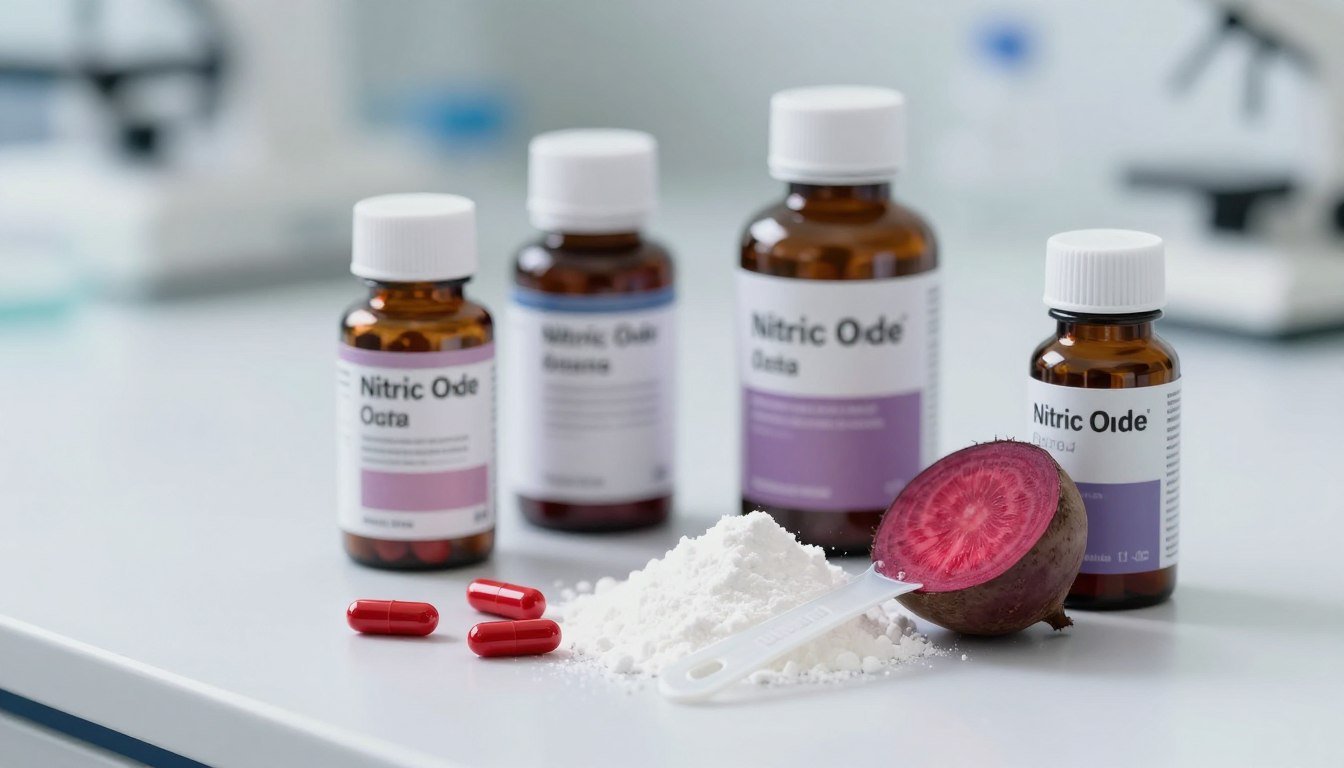
These supplements don’t actually contain nitric oxide itself. Instead, they provide compounds your body converts into nitric oxide. The most common ingredients include L-arginine, L-citrulline, and dietary nitrate from beetroot extract.
Research shows that taking nitric oxide supplements may offer several health advantages. From improving blood flow to enhancing athletic performance, these supplements have gained attention in both medical and fitness communities.
Understanding how nitric oxide works in your body helps you make informed decisions about supplementation. This molecule acts as a vasodilator, meaning it relaxes and widens blood vessels. When blood vessels expand, blood flows more easily throughout your body.
Before diving into the specific benefits, it’s important to know that not all nitric oxide supplements work the same way. Different ingredients target various pathways in your body to boost nitric oxide production.
Understanding Nitric Oxide in Your Body
Nitric oxide is one of the most important signaling molecules in the human body. Your cells produce it naturally through specific biochemical processes. This molecule influences countless functions, from regulating blood pressure to supporting immune system activity.
The body creates nitric oxide through two primary pathways. The first involves amino acids like L-arginine and L-citrulline. The second pathway converts dietary nitrate from foods into nitric oxide. Both pathways contribute to maintaining healthy nitric oxide levels.
How Nitric Oxide Production Works
Your endothelial cells, which line your blood vessels, produce nitric oxide continuously. These cells use enzymes called nitric oxide synthases to convert amino acids into nitric oxide. This process requires several cofactors, including oxygen and specific vitamins.
As you age, your body’s ability to produce nitric oxide naturally decreases. Factors like poor diet, lack of exercise, and certain health conditions can further reduce production. This decline may contribute to various cardiovascular issues.
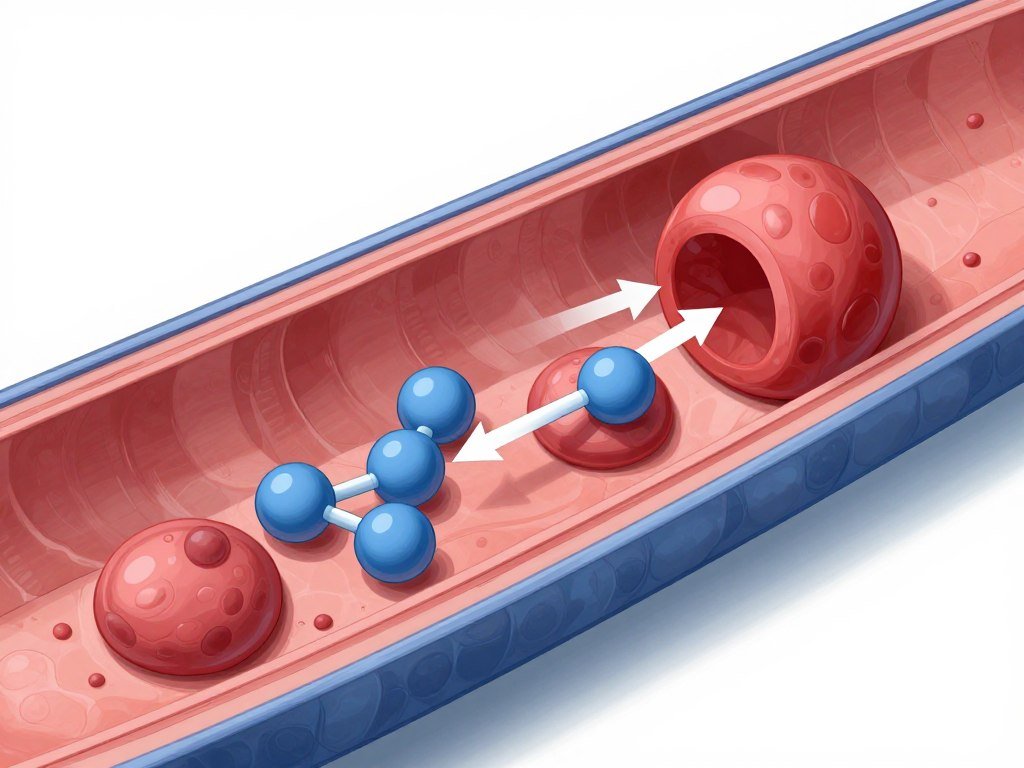
Nitric oxide supplements aim to support or enhance your body’s natural production. They provide the raw materials your cells need to create this crucial molecule. Different supplements use different approaches to achieve this goal.
Improved Blood Flow and Cardiovascular Health
One of the most significant benefits of nitric oxide supplements is their ability to improve blood flow throughout your body. Enhanced blood flow supports cardiovascular health in multiple ways. Your heart doesn’t have to work as hard to pump blood through relaxed, widened vessels.
When you take nitric oxide supplements, the compounds work to dilate your blood vessels. This vasodilation effect reduces resistance in your arteries and veins. Better circulation means more oxygen and nutrients reach your tissues and organs.

Impact on Heart Health
Research demonstrates that improved blood flow benefits overall heart health. Studies show that nitric oxide production plays a protective role against cardiovascular disease. The molecule helps prevent arterial stiffness and supports healthy blood vessel function.
People with compromised cardiovascular systems often have reduced nitric oxide levels. Supplementation may help restore optimal levels. This restoration can lead to measurable improvements in vascular function.
- Reduced arterial stiffness and improved vessel flexibility
- Better oxygen delivery to heart muscle tissue
- Enhanced circulation to extremities
- Support for healthy endothelial function
- Potential reduction in cardiovascular disease risk factors
Circulation Benefits Beyond the Heart
Improved blood flow doesn’t just benefit your heart. Your entire body relies on efficient circulation. Your brain needs consistent blood flow for cognitive function. Your muscles require adequate circulation for performance and recovery.
Taking nitric oxide supplements may help address circulation issues in various parts of your body. Some people notice improvements in cold hands and feet. Others experience better overall energy levels due to enhanced nutrient delivery.
Important Note: While nitric oxide supplements show promise for cardiovascular health, they should complement, not replace, established heart-healthy habits like regular exercise and a balanced diet.
Enhanced Exercise Performance and Endurance
Athletes and fitness enthusiasts frequently use nitric oxide supplements to boost their exercise performance. These supplements have become popular in gyms and training facilities worldwide. The performance benefits stem from improved blood flow to working muscles during physical activity.
When you exercise, your muscles demand more oxygen and nutrients. Nitric oxide helps deliver these essentials more efficiently. This enhanced delivery can translate into better workout performance and increased endurance.

Effects on Workout Capacity
Multiple studies have examined how nitric oxide supplements affect exercise capacity. Research on dietary nitrate supplementation shows particularly promising results. Athletes taking beetroot juice, rich in dietary nitrate, often demonstrate improved time to exhaustion.
The supplements work by reducing the oxygen cost of exercise. Your muscles can perform the same amount of work while using less oxygen. This efficiency improvement can extend your workout duration and intensity.
Endurance Benefits
Cyclists, runners, and swimmers may experience notable endurance improvements. Studies show that nitric oxide supplements can enhance performance in sustained aerobic activities.
- Longer time to exhaustion during cardio
- Improved oxygen efficiency
- Better sustained power output
Strength Training Impact
Resistance training enthusiasts may also benefit from improved blood flow. Enhanced nutrient delivery supports muscle function during intense lifting sessions.
- Increased muscle pump sensation
- Better nutrient delivery to muscles
- Potential for improved recovery
Athletic Performance Research
Scientific evidence supports the use of certain nitric oxide supplements for athletic performance. Dietary supplements improving nitric oxide levels have shown measurable effects in controlled studies. The most consistent results come from beetroot juice and nitrate supplementation.
Not all amino acids show equal effectiveness. L-citrulline demonstrates better absorption than L-arginine in many studies. This superior absorption may lead to more reliable performance benefits.
“Nitrate supplementation has emerged as one of the most promising ergogenic aids in sports nutrition, with effects observed across multiple athletic disciplines.”
— Sports Nutrition Research Review
Compare Top Nitric Oxide Supplements
Not sure which nitric oxide supplement is right for your fitness goals? Our comprehensive comparison guide analyzes the most effective formulations based on scientific research and user results.
- Evidence-based product rankings
- Ingredient effectiveness analysis
- Dosage recommendations
- Price comparison and value assessment
Better Oxygen Delivery to Muscles
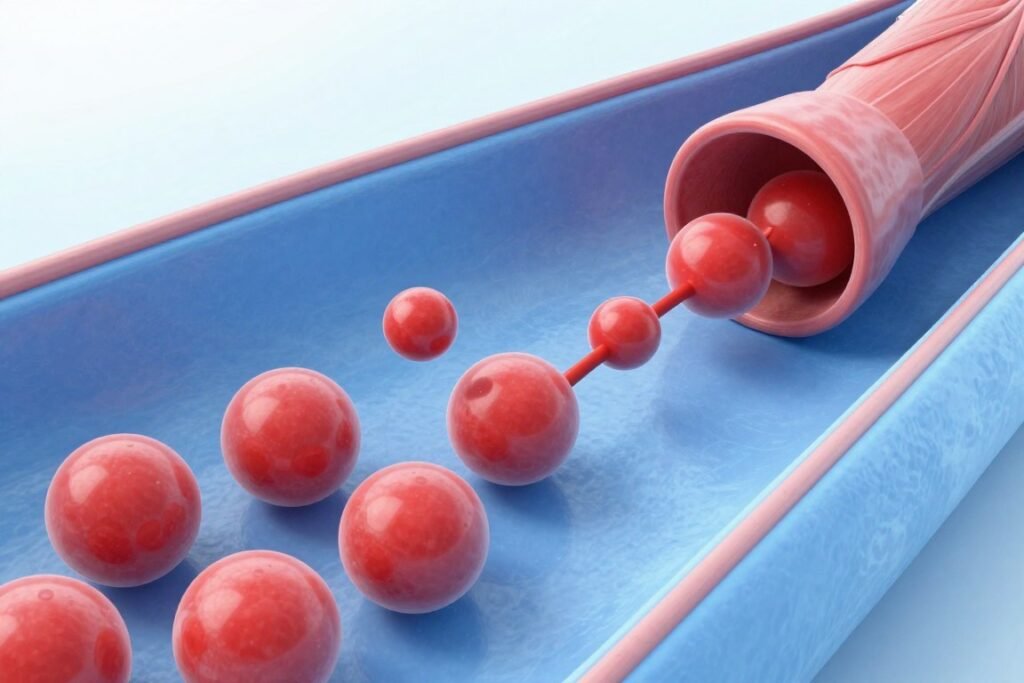
Efficient oxygen delivery is fundamental to muscle function and overall physical performance. Nitric oxide supplements enhance your body’s ability to transport oxygen from your lungs to your working muscles. This improvement occurs through multiple mechanisms.
When you take nitric oxide supplements, your blood vessels dilate, allowing more blood to flow through them. More blood flow means more oxygen-carrying red blood cells reach your muscle tissue. This enhanced oxygen supply supports both aerobic and anaerobic muscle function.
Oxygen Utilization During Exercise
Your muscles need oxygen to produce energy efficiently. During intense physical activity, oxygen demand increases dramatically. Nitric oxide helps meet this increased demand by improving blood flow to active muscle groups.
Studies show that improved oxygen delivery can enhance exercise performance across different activity types. Both endurance athletes and strength trainers may experience benefits. The effects appear most pronounced during sustained physical effort.
- Enhanced oxygen transport to working muscles
- Improved mitochondrial efficiency
- Reduced oxygen debt during intense exercise
- Better recovery between exercise sets
- Support for sustained aerobic metabolism
Impact on Muscle Fatigue
Better oxygen delivery directly affects how quickly your muscles fatigue. When muscles receive adequate oxygen, they can maintain performance for longer periods. This delay in fatigue onset allows you to train harder and longer.
Nitric oxide supplements may help reduce the accumulation of metabolic waste products in muscles. These waste products, including lactate and ammonia, contribute to the burning sensation you feel during intense exercise. Improved blood flow helps clear these substances more quickly.
Aerobic Exercise Benefits
Activities like running, cycling, and swimming heavily depend on oxygen delivery. Nitric oxide supplementation can improve your aerobic capacity. You may notice you can maintain higher intensities for longer durations.
Research shows that athletes taking dietary supplements improving nitric oxide levels often demonstrate better VO2 max values. This measurement indicates how efficiently your body uses oxygen during maximum effort.

Cellular Energy Production
At the cellular level, oxygen is essential for energy production in your mitochondria. These tiny powerhouses inside your cells use oxygen to create ATP, your body’s primary energy currency. More efficient oxygen delivery means more efficient energy production.
Nitric oxide plays a role beyond just delivering oxygen. It also influences how your mitochondria function. Some research suggests nitric oxide may help optimize mitochondrial efficiency, allowing your cells to produce energy more effectively.
Support for Blood Pressure Regulation
High blood pressure affects millions of people worldwide and significantly increases the risk of heart disease and stroke. Nitric oxide supplements have shown promise in supporting healthy blood pressure levels. This benefit makes them particularly interesting for cardiovascular health management.
Blood pressure regulation represents one of the most well-researched benefits of nitric oxide supplementation. The mechanism is straightforward: nitric oxide relaxes blood vessel walls, reducing the resistance blood encounters as it flows through your arteries.

How Nitric Oxide Affects Blood Pressure
People with high blood pressure often have impaired nitric oxide production. Their blood vessels don’t relax as easily as they should. This resistance forces the heart to pump harder, elevating blood pressure readings.
Taking nitric oxide supplements can help address this issue. By boosting nitric oxide levels, these supplements promote vasodilation. When blood vessels relax and widen, blood pressure naturally decreases.
| Supplement Type | Typical Daily Dose | Blood Pressure Effect | Study Duration |
| Beetroot Juice | 250-500 mL | 3-10 mmHg reduction | 2-4 weeks |
| L-Citrulline | 3-6 grams | 4-8 mmHg reduction | 4-8 weeks |
| L-Arginine | 3-6 grams | 2-5 mmHg reduction | 4-12 weeks |
| Dietary Nitrate | 300-600 mg | 3-7 mmHg reduction | 1-4 weeks |
Research on Blood Pressure Benefits
Multiple studies have examined the effects of nitric oxide supplements on blood pressure. Research consistently shows that dietary nitrate from beetroot juice can lower both systolic and diastolic blood pressure. These reductions, while modest, can be clinically meaningful.
One comprehensive review analyzed data from numerous studies. The findings showed that participants experienced average blood pressure reductions after consuming beetroot juice regularly. Both the top number (systolic) and bottom number (diastolic) decreased.
Dietary Nitrate and Hypertension
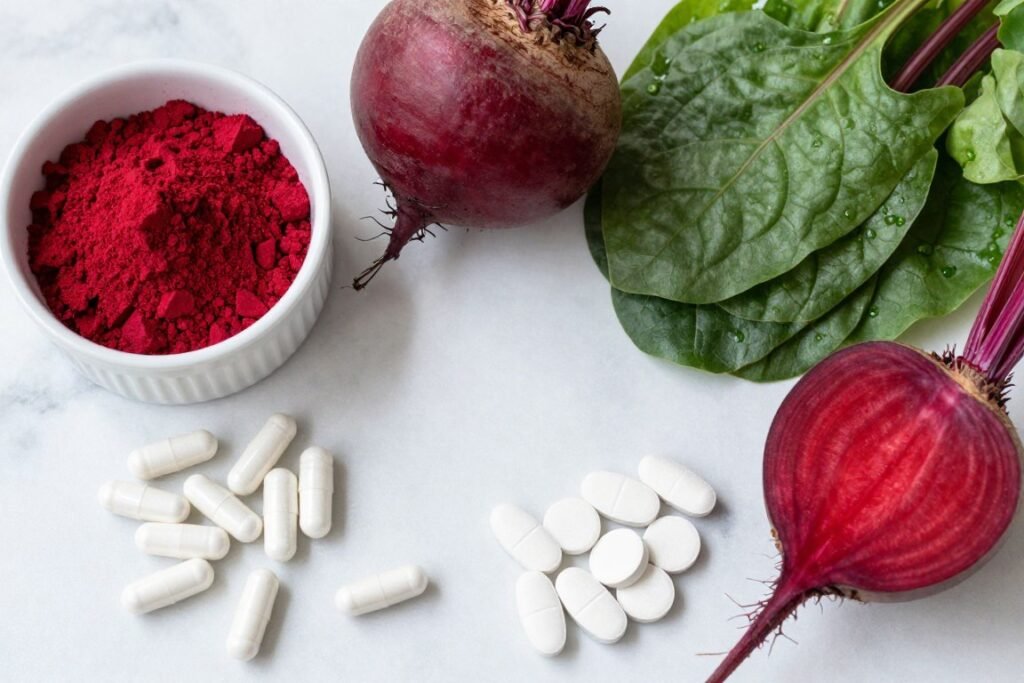
Dietary nitrate appears particularly effective for blood pressure management. Foods rich in nitrate include beetroot, spinach, arugula, and celery. When you consume these foods or take dietary supplements, your body converts the nitrate to nitric oxide.
This conversion process offers a reliable way to boost nitric oxide levels. Unlike some amino acids that may be broken down before reaching your bloodstream, dietary nitrate survives digestion more effectively.
- Consistent blood pressure reductions in clinical trials
- Effects observed in both healthy individuals and those with high blood pressure
- Benefits maintained with regular supplementation
- Generally well-tolerated with minimal side effects
- May complement other blood pressure management strategies
Combining Supplements with Lifestyle Changes
While nitric oxide supplements can support healthy blood pressure, they work best alongside other interventions. Regular exercise, stress management, and a balanced diet all contribute to blood pressure control. Many experts recommend a comprehensive approach.
Some people notice blood pressure improvements within days of starting nitric oxide supplementation. Others may need several weeks to see measurable changes. Individual responses vary based on baseline health status and other factors.
Concerned About Your Cardiovascular Health?
High blood pressure and poor circulation require professional medical guidance. Our network of healthcare specialists can help you develop a personalized plan that may include nitric oxide supplementation as part of your overall cardiovascular health strategy.
Potential Cognitive Benefits
Your brain requires substantial blood flow to function optimally. In fact, your brain uses about twenty percent of your body’s oxygen supply despite representing only two percent of your body weight. Nitric oxide supplements may support cognitive function by enhancing cerebral blood flow.
Research into the cognitive effects of nitric oxide supplements is still emerging. However, preliminary studies suggest potential benefits for mental performance, memory, and overall brain health. The connection between improved blood flow and better cognitive function makes biological sense.

Brain Blood Flow and Mental Performance
Just like your muscles need oxygen during exercise, your brain needs consistent oxygen delivery for thinking, learning, and remembering. Nitric oxide helps regulate cerebral blood flow, adjusting it based on your brain’s changing demands throughout the day.
When you engage in mentally demanding tasks, certain brain regions require more blood flow. Nitric oxide facilitates this increased flow, potentially supporting better cognitive performance. This mechanism becomes especially important as we age.
Age-Related Cognitive Decline
As people age, nitric oxide production naturally decreases. This reduction may contribute to age-related cognitive decline. Reduced blood flow to the brain can affect memory, processing speed, and executive function.
Some researchers believe that maintaining healthy nitric oxide levels through supplementation might help preserve cognitive function. While more research is needed, early findings show promise for this application.
Memory Support

Enhanced blood flow to memory centers in the brain may support better recall and information retention.
Mental Clarity

Improved oxygen delivery can contribute to clearer thinking and better mental processing speed.
Focus Enhancement

Better cerebral circulation may help maintain attention and concentration during demanding tasks.
Neuroprotective Properties
Beyond immediate cognitive effects, nitric oxide may offer neuroprotective benefits. The molecule plays roles in brain cell communication and protection against oxidative stress. These functions could be important for long-term brain health.
Research suggests that nitric oxide helps maintain the health of the blood-brain barrier. This protective barrier shields your brain from harmful substances while allowing necessary nutrients to pass through. Proper nitric oxide function supports this critical protective mechanism.
Current Research Directions
Scientists continue investigating how nitric oxide supplementation affects brain health. Studies are examining its potential role in conditions like mild cognitive impairment and age-related memory loss. While results are preliminary, they suggest this area deserves further investigation.
Some studies have looked at dietary nitrate supplementation and cognitive function in older adults. Results indicate potential improvements in processing speed and executive function. However, larger and longer studies are needed to confirm these findings.
Research Note: While cognitive benefits are promising, most studies to date have been relatively small. More extensive research is needed to fully understand how nitric oxide supplements affect brain function across different populations and age groups.
Who Should Consider Nitric Oxide Supplements
Nitric oxide supplements aren’t necessary for everyone. However, certain groups of people may benefit more from taking nitric oxide supplements than others. Understanding whether you fall into one of these categories can help you decide if supplementation makes sense for you.
Athletes and Fitness Enthusiasts
People engaged in regular intense exercise often use nitric oxide supplements to enhance performance. The supplements may help improve endurance, reduce fatigue, and support faster recovery. Both competitive athletes and recreational gym-goers report positive effects.
Endurance athletes like cyclists, runners, and swimmers may experience particularly noticeable benefits. The improved oxygen delivery and blood flow can translate into better race times and training capacity. Strength athletes might notice enhanced muscle pump and better nutrient delivery.
Individuals with Cardiovascular Concerns
People looking to support their cardiovascular health may find value in nitric oxide supplementation. Those with slightly elevated blood pressure might benefit from the blood pressure-lowering effects. However, anyone with existing heart conditions should consult healthcare providers before starting supplements.
Nitric oxide production decreases with age. Older adults often have reduced vascular function partly due to lower nitric oxide levels. Supplementation might help restore some of this lost function, though medical supervision is advisable.
Potential Candidates for Supplementation
- Athletes seeking performance improvements
- People with mildly elevated blood pressure
- Individuals experiencing poor circulation
- Older adults looking to support vascular health
- Those wanting to enhance exercise capacity
- People seeking erectile function support
Who Should Exercise Caution
- People taking blood pressure medications
- Individuals with low blood pressure
- Those scheduled for surgery
- Pregnant or nursing women
- People with bleeding disorders
- Anyone with kidney disease
Men with Erectile Dysfunction
Erectile dysfunction often results from insufficient blood flow to penile tissue. Nitric oxide plays a crucial role in achieving and maintaining erections. Some men find that nitric oxide supplements help improve erectile function.
L-citrulline has shown particular promise for mild erectile dysfunction in studies. While not as powerful as prescription medications, it offers a gentler alternative with fewer side effects. Many men use it as a first-line approach or in combination with other treatments.
Common Types of Nitric Oxide Supplements
Several different compounds can boost nitric oxide levels in your body. Each type works through slightly different mechanisms. Understanding these differences helps you choose the most appropriate supplement for your needs.
L-Arginine
L-arginine is an amino acid that your body uses to produce nitric oxide directly. It serves as a substrate for enzymes that create nitric oxide. Many early nitric oxide supplements contained primarily L-arginine.
However, L-arginine has some limitations. Much of the L-arginine you consume gets broken down in your digestive system before reaching your bloodstream. This poor bioavailability reduces its effectiveness compared to other options.
- Direct precursor to nitric oxide production
- May support cardiovascular health
- Limited bioavailability when taken orally
- Typical doses range from three to six grams per day
- Often combined with other ingredients
L-Citrulline
L-citrulline is another amino acid that boosts nitric oxide levels, but it works differently than L-arginine. Your body converts L-citrulline into L-arginine in your kidneys. This conversion process results in better bioavailability.
Studies suggest L-citrulline is more effective than L-arginine for raising blood levels of arginine. This superior absorption makes it a preferred choice in many modern nitric oxide supplements. Athletes particularly favor L-citrulline for performance enhancement.
Citrulline Malate
Citrulline malate combines L-citrulline with malic acid. This combination may offer additional benefits beyond standard L-citrulline. The malic acid component participates in energy production and may help reduce muscle soreness.
Research shows citrulline malate can decrease muscle soreness after intense exercise. Athletes report being able to perform more repetitions and recover faster between sets when using this supplement form.
Dietary Nitrate
Dietary nitrate represents a different approach to boosting nitric oxide. Your body converts nitrate to nitrite, which then becomes nitric oxide. This pathway bypasses the need for enzymes that decline with age.
Beetroot juice is the most popular source of dietary nitrate. It contains high concentrations of naturally occurring nitrate. Many athletes drink beetroot juice before competitions to enhance performance.
Beetroot Supplements
- High natural nitrate content
- Well-researched for performance
- Generally well-tolerated
- May cause harmless red urine
- Available as juice, powder, or capsules
Other Nitrate Sources
- Spinach and leafy greens
- Arugula and celery
- Concentrated vegetable extracts
- Nitrate salt supplements
- Fermented vegetable products
Combination Formulas
Many commercial nitric oxide supplements combine multiple ingredients. These formulas might include L-citrulline, beetroot extract, and other compounds. The idea is that multiple pathways to nitric oxide production work better together.
Some combination products also include vitamins and minerals that support nitric oxide production. B vitamins, vitamin C, and certain antioxidants may enhance the effectiveness of primary nitric oxide boosters.
Natural Food Sources That Boost Nitric Oxide
You don’t necessarily need supplements to support healthy nitric oxide levels. Many whole foods contain compounds that boost nitric oxide production naturally. Incorporating these food sources into your diet provides nutrients along with nitric oxide support.

Nitrate-Rich Vegetables
Vegetables high in dietary nitrate are excellent for boosting nitric oxide naturally. These vegetables provide nitrate that your body converts into nitric oxide through the nitrate-nitrite-nitric oxide pathway. This conversion happens naturally during digestion.
Leafy green vegetables contain particularly high nitrate concentrations. The darker the greens, the more nitrate they typically contain. These vegetables also provide vitamins, minerals, and antioxidants that support overall health.
| Food Source | Nitrate Content | Additional Benefits | Serving Suggestion |
| Beetroot | Very High | Rich in folate, fiber, antioxidants | Roasted, juiced, or pickled |
| Arugula | Very High | Vitamin K, calcium, antioxidants | Fresh salads, sandwiches |
| Spinach | High | Iron, vitamins A and C | Smoothies, sautéed, salads |
| Celery | High | Low calorie, hydrating, fiber | Raw snacks, juices, soups |
| Lettuce | Moderate | Vitamins A and K, hydration | Salad base, wraps |
Foods Rich in L-Citrulline
Some foods naturally contain L-citrulline, which your body converts to L-arginine and then to nitric oxide. While food sources provide less concentrated amounts than supplements, they still contribute to your overall intake.
Watermelon is the best-known food source of L-citrulline. The rind contains even higher concentrations than the pink flesh. Some people juice watermelon rind specifically for its citrulline content.
- Watermelon and watermelon rind
- Cucumber and other melons
- Pumpkin and squash varieties
- Gourds and related vegetables
- Legumes like chickpeas and soybeans
Antioxidant-Rich Foods
While antioxidants don’t directly increase nitric oxide production, they help preserve the nitric oxide your body makes. Antioxidants protect nitric oxide from breaking down too quickly, extending its beneficial effects in your bloodstream.
Fruits and vegetables high in vitamin C and other antioxidants support healthy nitric oxide levels. Berries, citrus fruits, and dark leafy greens all provide protective antioxidants. These foods work synergistically with nitrate-rich vegetables.
Proper Dosage and Timing
Taking the right dose at the right time maximizes the benefits of nitric oxide supplements while minimizing potential side effects. Different supplement types require different dosing strategies. Understanding these differences helps you use supplements effectively.
Recommended Dosages
Scientific research has established effective dose ranges for various nitric oxide supplements. These ranges represent amounts shown to produce measurable benefits in clinical studies. Individual needs may vary based on body weight, health status, and goals.
L-Arginine Dosing
Most studies use L-arginine doses between three and six grams per day. Some research has tested doses up to ten grams, though higher amounts may cause stomach discomfort. Starting with a lower dose and gradually increasing helps minimize digestive issues.
Split doses throughout the day may work better than taking L-arginine all at once. This approach helps maintain more stable blood levels and reduces the chance of stomach upset.
L-Citrulline Dosing
Effective L-citrulline doses typically range from three to six grams per day for general health benefits. Athletes often use six to eight grams before workouts for performance enhancement. Citrulline malate doses may be slightly higher due to the added malic acid.
Research suggests taking L-citrulline about an hour before exercise provides optimal performance benefits. For general health support, timing is less critical.
Dietary Nitrate Dosing
Beetroot juice studies typically use doses containing 300 to 600 milligrams of nitrate. This amount equals roughly 500 milliliters of beetroot juice. Concentrated beetroot supplements contain similar nitrate amounts in smaller volumes.
The effects of dietary nitrate appear relatively quickly. Some studies show blood pressure reductions within hours of consumption. For exercise performance, consuming beetroot juice two to three hours before activity seems most effective.
Timing Strategies
When you take nitric oxide supplements can significantly impact their effectiveness. Different goals require different timing approaches. Athletes focus on pre-workout timing, while those managing blood pressure might take supplements consistently throughout the day.
- For exercise performance: Take supplements sixty to ninety minutes before workouts
- For blood pressure support: Split doses morning and evening for consistent effects
- For general health: Take with meals to improve absorption and reduce stomach upset
- For erectile function: Take daily for consistent benefits rather than as needed
Cycling and Continuous Use
Some people wonder whether they should take breaks from nitric oxide supplements. Current research doesn’t clearly indicate whether cycling is necessary. Many studies show benefits with continuous daily use over several weeks or months.
However, some experts suggest periodic breaks might prevent your body from becoming too adapted to supplementation. A common approach involves taking supplements for eight to twelve weeks, then taking a two to four week break before resuming.
Important Safety Considerations
Before starting any nitric oxide supplement regimen, especially if you have existing health conditions or take medications, consult with a qualified healthcare provider. Nitric oxide supplements can interact with certain medications, particularly those for blood pressure and erectile dysfunction. Your doctor can help determine appropriate dosing and monitor for potential interactions.
Potential Side Effects and Safety Considerations
Nitric oxide supplements are generally safe for most healthy adults when used appropriately. However, like any supplement, they can cause side effects in some people. Understanding potential risks helps you use these supplements safely and recognize when to seek medical advice.
Common Side Effects
Most side effects from nitric oxide supplements are mild and temporary. They often resolve as your body adjusts to supplementation. Starting with lower doses and gradually increasing can help minimize these effects.

Digestive Issues
Stomach discomfort represents the most common side effect of nitric oxide supplements, particularly L-arginine. Some people experience bloating, cramping, or diarrhea when taking higher doses. These symptoms typically occur when doses exceed ten grams per day.
Taking supplements with food often reduces digestive discomfort. Splitting your daily dose into smaller amounts throughout the day also helps. If stomach issues persist, reducing the dose or trying a different supplement type might help.
Beetroot-Specific Effects
Beetroot supplements can cause harmless but surprising side effects. Many people notice their urine or stool turns dark red or pink after consuming beetroot. This discoloration, called beeturia, is completely harmless and temporary.
Some individuals also experience a mild earthy taste or slight stomach upset from beetroot juice. These effects are generally mild and don’t indicate any health concern.
Interactions with Medications
Nitric oxide supplements can interact with several types of medications. These interactions can potentially cause problems, especially if you’re not aware of them. Always inform your healthcare provider about all supplements you take.
Safe for Most People
- Generally well-tolerated by healthy adults
- Few serious adverse events in clinical trials
- Natural compounds found in foods
- Decades of research support safety profile
- Can be used long-term under supervision
Cautions and Contraindications
- May interact with blood pressure medications
- Could be problematic with low blood pressure
- Not recommended before surgery
- Uncertain safety during pregnancy
- May affect certain medical conditions
Blood Pressure Medications
Since nitric oxide supplements can lower blood pressure, combining them with blood pressure medications might cause excessive drops. This interaction could lead to dizziness, fainting, or other complications. Medical supervision is essential if you take blood pressure drugs.
Your doctor may need to adjust medication doses if you start taking nitric oxide supplements. Regular blood pressure monitoring helps ensure levels stay in a safe range. Never stop or change blood pressure medications without medical guidance.
Medications for Erectile Dysfunction
Prescription drugs like sildenafil (Viagra) work partly by affecting nitric oxide pathways. Combining these medications with nitric oxide supplements could potentially amplify effects. While this might seem beneficial, it increases the risk of problematic blood pressure drops.
If you take erectile dysfunction medications, discuss nitric oxide supplements with your doctor before starting them. Your physician can advise on safe combinations and appropriate monitoring.
Who Should Avoid These Supplements
Certain groups of people should exercise extra caution or avoid nitric oxide supplements entirely. These contraindications exist because supplements might worsen certain conditions or cause complications.
- People with low blood pressure (hypotension)
- Individuals scheduled for surgery within two weeks
- Those with bleeding disorders or taking blood thinners
- People with kidney disease or compromised kidney function
- Pregnant or breastfeeding women (due to limited safety data)
- Children and adolescents (insufficient research)
Quality and Purity Concerns
Not all supplements are created equal. Quality varies significantly between brands and products. Some supplements may contain contaminants or fail to provide the amounts of active ingredients listed on labels.
Look for products that have been third-party tested for purity and potency. Organizations like NSF International, USP, and ConsumerLab test supplements independently. These certifications indicate products meet quality standards.
Storage and Expiration
Proper storage maintains supplement effectiveness and safety. Most nitric oxide supplements should be kept in cool, dry places away from direct sunlight. Heat and moisture can degrade active ingredients.
Always check expiration dates before using supplements. Expired products may have reduced potency or, in rare cases, develop harmful breakdown products. Replace supplements that have passed their expiration dates.
Scientific Research and Evidence
The benefits of nitric oxide supplements are supported by numerous scientific studies. Researchers have investigated these supplements for various applications, from athletic performance to cardiovascular health. Understanding the research helps you evaluate claims and set realistic expectations.
Clinical Studies on Exercise Performance
Athletic performance represents one of the most extensively studied applications of nitric oxide supplements. Hundreds of research papers have examined how these supplements affect exercise capacity, endurance, and recovery.
Studies consistently show that dietary nitrate supplementation, particularly from beetroot juice, can improve exercise performance. The effects appear most pronounced in endurance activities. Athletes in cycling, running, and rowing have demonstrated measurable improvements.
Endurance Studies
Research shows beetroot juice supplementation can extend time to exhaustion during sustained exercise. Athletes can maintain higher intensities for longer periods.
- Improved cycling time trial performance
- Enhanced running economy
- Extended time to fatigue
- Better high-intensity interval capacity
Strength Training Research
Evidence for strength training benefits is more mixed. Some studies show improvements in resistance exercise performance, while others find minimal effects.
- Potential for increased repetitions
- Possible reduction in muscle soreness
- Enhanced muscle blood flow
- Results vary by individual
Recovery Studies
Research suggests nitric oxide supplements may speed recovery between exercise bouts. Better blood flow helps deliver nutrients and remove waste products.
- Faster lactate clearance
- Reduced muscle damage markers
- Quicker return to performance
- Better adaptation to training
Oxygen Efficiency
Multiple studies demonstrate that nitric oxide supplements reduce the oxygen cost of exercise, making movements more efficient.
- Lower oxygen consumption at given intensities
- Improved mitochondrial efficiency
- Enhanced cellular energy production
- Better oxygen utilization
Cardiovascular Health Research
Extensive research has examined how nitric oxide supplements affect cardiovascular health markers. Studies have looked at blood pressure, arterial stiffness, endothelial function, and overall vascular health.
Meta-analyses combining data from multiple studies show consistent blood pressure reductions with nitric oxide supplementation. These effects occur in both people with high blood pressure and those with normal levels. The reductions, while modest, can be clinically meaningful.
Blood Pressure Studies
Research on blood pressure represents some of the strongest evidence for nitric oxide supplements. Studies using beetroot juice, L-citrulline, and L-arginine have all shown blood pressure-lowering effects.
One comprehensive review analyzed dozens of studies involving thousands of participants. The analysis found significant reductions in both systolic and diastolic blood pressure. Effects appeared within hours of consumption and persisted with regular use.
Research on Other Benefits
Scientists have investigated nitric oxide supplements for various other potential benefits. While evidence is less robust than for exercise and cardiovascular applications, preliminary findings show promise in several areas.
Cognitive Function Studies
Research on cognitive benefits is still emerging. Some studies show improved blood flow to brain regions involved in memory and executive function. However, these studies are generally small and short-term.
Larger, longer studies are needed to confirm whether nitric oxide supplements meaningfully affect cognitive function. Current evidence suggests potential but requires further investigation.
Erectile Function Research
Several studies have examined nitric oxide supplements for erectile dysfunction. L-citrulline shows particular promise, with research demonstrating improvements in mild to moderate cases.
While effects are less dramatic than prescription medications, supplements offer a gentler option with fewer side effects. Many men use them as a first-line approach or in combination with other treatments.
How to Choose the Right Nitric Oxide Supplement
Selecting an appropriate nitric oxide supplement requires considering several factors. Your specific goals, health status, and budget all play roles in determining the best option. Understanding what to look for helps you make an informed choice.
Identify Your Primary Goal
Different supplements work better for different purposes. Athletic performance goals might lead you toward beetroot-based products. Blood pressure management might favor L-citrulline. Clarifying your main objective narrows your options.
Consider whether you want immediate effects or long-term benefits. Beetroot juice works relatively quickly for pre-workout use. L-citrulline might require more consistent daily use to build up benefits over time.
For Athletic Performance
Athletes seeking performance benefits should consider beetroot juice or concentrated beetroot supplements. These products have the strongest research support for exercise applications. Look for products standardized to specific nitrate content.
L-citrulline, particularly citrulline malate, also shows good evidence for athletic performance. It may help reduce muscle soreness and support recovery. Many pre-workout supplements combine both beetroot and citrulline.
For Cardiovascular Health
If your primary goal is supporting cardiovascular health, both dietary nitrate and L-citrulline show promise. L-citrulline may be easier to take consistently than large volumes of beetroot juice.
Look for supplements that include additional heart-healthy ingredients. Some products combine nitric oxide boosters with antioxidants, omega-3 fatty acids, or CoQ10 for comprehensive cardiovascular support.
Evaluate Product Quality
Quality varies tremendously in the supplement industry. Third-party testing provides the best assurance that products contain what labels claim. Several organizations test supplements independently for purity and potency.
Quality Indicators to Look For
- Third-party certification (NSF, USP, ConsumerLab)
- Clear labeling of active ingredient amounts
- Manufacturing in GMP-certified facilities
- Transparent ingredient sourcing
- Batch testing for contaminants
- Clear expiration dating
- Contact information for the manufacturer
Consider Form and Convenience
Nitric oxide supplements come in various forms, each with advantages and disadvantages. Powders mix into drinks but require preparation. Capsules offer convenience but may contain lower doses per serving. Liquids work quickly but can be less portable.
Think about your lifestyle and preferences. If you travel frequently, capsules might work better than liquid beetroot juice. If you already make smoothies daily, powder might integrate easily into your routine.
Powder Supplements
Powder forms allow flexible dosing and often provide better value per serving. You can adjust amounts based on your needs. However, some people dislike mixing powders or find the taste unpleasant.
Many beetroot powders have an earthy taste that some people enjoy and others find off-putting. Mixing with fruit juice or adding to smoothies can mask flavors you don’t like.
Capsule and Tablet Forms
Capsules offer maximum convenience. You can take them anywhere without preparation. They also avoid taste issues that some people experience with powders and liquids.
However, effective doses often require taking multiple capsules. This can be less convenient than a single scoop of powder. Compare the number of capsules needed per day when evaluating products.
Compare Costs and Value
Price ranges vary widely for nitric oxide supplements. The cheapest option isn’t always the best value, especially if it requires higher doses or lacks quality testing. Calculate cost per serving based on effective doses.
Consider subscription options if you plan long-term use. Many companies offer discounts for automatic deliveries. This approach ensures you don’t run out while potentially saving money.
Ready to Experience the Benefits?
Take the next step toward improved cardiovascular health and enhanced performance. Whether you’re looking to optimize your workouts, support healthy blood pressure, or boost overall wellness, we can help you find the right approach.
Combining Supplements with Lifestyle Changes
Nitric oxide supplements work best as part of a comprehensive approach to health. While they offer benefits on their own, combining supplementation with healthy lifestyle habits amplifies results. This integrated strategy addresses multiple factors that influence nitric oxide production.
Exercise and Physical Activity
Regular exercise naturally boosts nitric oxide production in your body. Physical activity stimulates the enzymes that create nitric oxide in your blood vessels. Combining exercise with supplementation creates a synergistic effect.
Both aerobic exercise and resistance training support healthy nitric oxide levels. Cardiovascular exercise particularly enhances endothelial function, the inner lining of blood vessels where much nitric oxide production occurs.

Types of Exercise That Help
Different exercise types support nitric oxide production through various mechanisms. Aerobic exercise increases blood flow and stimulates endothelial cells. Resistance training creates temporary increases in blood flow to muscles.
- Brisk walking or jogging for at least thirty minutes
- Cycling or swimming for cardiovascular benefits
- Resistance training two to three times weekly
- High-intensity interval training for vascular adaptation
- Yoga and stretching to support circulation
Dietary Approaches
Your diet significantly impacts nitric oxide production. Eating foods rich in nitrate and L-citrulline provides natural sources of these compounds. A diet high in antioxidants protects the nitric oxide your body produces.
The Mediterranean diet exemplifies an eating pattern that supports healthy nitric oxide levels. It emphasizes vegetables, fruits, whole grains, and healthy fats. These foods provide nutrients that support cardiovascular health and nitric oxide production.
Key Dietary Strategies
Focus on incorporating nitrate-rich vegetables daily. Leafy greens, beetroot, and celery should appear regularly in your meals. These foods work synergistically with supplements to boost nitric oxide levels.
Limit foods that might interfere with nitric oxide production. Highly processed foods, excessive sugar, and unhealthy fats can impair endothelial function. These dietary patterns may reduce your body’s ability to produce nitric oxide efficiently.
Stress Management
Chronic stress negatively affects nitric oxide production. Stress hormones can damage endothelial cells and reduce their ability to produce nitric oxide. Managing stress supports both mental health and vascular function.
Various stress-reduction techniques can help. Meditation, deep breathing exercises, and adequate sleep all contribute to better stress management. These practices support the effectiveness of nitric oxide supplementation.
Sleep Quality
Quality sleep plays an important role in maintaining healthy nitric oxide levels. During sleep, your body performs crucial repair and maintenance functions. Poor sleep quality or insufficient sleep duration can impair vascular function.
Aim for seven to nine hours of quality sleep nightly. Establish consistent sleep schedules and create a relaxing bedtime routine. Good sleep hygiene supports the benefits you get from nitric oxide supplements.
Avoiding Harmful Habits
Certain lifestyle factors actively harm nitric oxide production. Smoking severely damages endothelial cells and reduces nitric oxide synthesis. Excessive alcohol consumption also impairs vascular function.
If you smoke, quitting represents the single most important step for vascular health. No supplement can overcome the damage smoking causes to your blood vessels. Similarly, limiting alcohol to moderate levels supports healthy nitric oxide production.
Monitoring Your Results
Tracking your progress helps you determine whether nitric oxide supplements are working for you. Different goals require different monitoring approaches. Understanding what to measure and when helps you evaluate effectiveness.
Performance Metrics for Athletes
Athletes can track several objective measures to assess supplement effectiveness. Performance improvements often become apparent within one to two weeks of consistent use. Keep detailed training logs to identify trends.
Track metrics relevant to your sport or activity. Runners might monitor pace at specific heart rates. Cyclists could track power output during time trials. Weightlifters might count repetitions at given loads.
- Record baseline performance before starting supplements
- Maintain consistent testing conditions for valid comparisons
- Allow two to three weeks for adaptation before evaluating
- Compare performance metrics at similar effort levels
- Note subjective factors like perceived exertion and recovery
Cardiovascular Health Markers
If you’re taking nitric oxide supplements for cardiovascular health, monitoring blood pressure provides valuable feedback. Home blood pressure monitors allow regular tracking. Measure at consistent times under similar conditions.
Keep a log of your readings. Take measurements at the same time each day, preferably in the morning before eating or drinking caffeine. Track both systolic and diastolic values along with your pulse rate.
What Blood Pressure Changes Mean
Small reductions in blood pressure can be significant for health. Decreases of just a few points in systolic pressure may reduce cardiovascular disease risk. However, changes should occur gradually and stay within healthy ranges.
If your blood pressure drops too low or you experience dizziness, consult your healthcare provider. They may need to adjust supplement doses or medications. Never change prescription medications without medical guidance.
Overall Wellness Indicators
Beyond specific metrics, pay attention to general wellness indicators. Many people report subjective improvements in energy levels, recovery speed, and overall vitality. While harder to quantify, these factors matter for quality of life.
Consider keeping a simple daily journal noting energy levels, workout quality, and general well-being. Over time, patterns may emerge showing whether supplements are making a positive difference.
When to Expect Results
Different benefits appear on different timelines. Some effects occur quickly, while others require consistent use over weeks or months. Understanding these timelines helps set realistic expectations.
| Benefit Type | Expected Timeline | How to Measure |
| Acute exercise performance | 1-3 hours after consumption | Workout quality, time to exhaustion |
| Blood pressure reduction | Hours to 2-3 weeks | Home blood pressure monitoring |
| Chronic exercise adaptations | 2-4 weeks | Performance tests, training logs |
| Erectile function improvements | 1-4 weeks | Subjective assessment, frequency |
| General cardiovascular health | 4-12 weeks | Medical tests, health markers |
Frequently Asked Questions
Can I get enough nitric oxide from food alone?
Yes, it’s possible to support healthy nitric oxide levels through diet alone. Eating plenty of nitrate-rich vegetables like beetroot, spinach, and arugula provides natural sources. Foods containing L-citrulline, such as watermelon, also help. However, achieving the concentrations used in research studies often requires large amounts of these foods.
Supplements offer a convenient way to reach effective doses without consuming massive quantities of vegetables. Many people combine dietary sources with supplements for optimal results. This approach provides both the benefits of whole foods and the convenience of concentrated supplements.
How long does it take to see results from nitric oxide supplements?
The timeline for noticing benefits varies depending on what you’re trying to achieve. Some effects, like improved exercise performance, can occur within hours of taking beetroot juice or other fast-acting supplements. Blood pressure reductions might appear within days but become more consistent after two to three weeks.
For long-term benefits like improved cardiovascular health or consistent exercise performance gains, expect to use supplements regularly for at least four to six weeks. Individual responses vary based on baseline health status, diet, exercise habits, and other factors.
Are nitric oxide supplements safe to take long-term?
Current research suggests that nitric oxide supplements are safe for long-term use in healthy adults when taken at recommended doses. Studies lasting several months have not identified serious adverse effects in most participants. However, long-term safety data beyond one year is limited.
Anyone with existing health conditions, especially cardiovascular issues or kidney disease, should consult healthcare providers before long-term use. Regular monitoring of blood pressure and other health markers helps ensure supplements remain safe and effective over time.
Can nitric oxide supplements help with erectile dysfunction?
Yes, some nitric oxide supplements, particularly L-citrulline, have shown promise for mild to moderate erectile dysfunction. Nitric oxide plays a crucial role in achieving erections by relaxing smooth muscle in penile tissue. Supplements that boost nitric oxide may improve erectile function.
Research shows L-citrulline can improve erection hardness in men with mild ED. However, effects are generally less dramatic than prescription medications like sildenafil. Many men use nitric oxide supplements as a first-line approach or in combination with other treatments. Always discuss erectile dysfunction with a healthcare provider to rule out serious underlying conditions.
Should I take nitric oxide supplements on an empty stomach?
This depends on the specific supplement and your goals. For athletic performance, many people take beetroot juice or L-citrulline on an empty stomach one to two hours before exercise. This timing may optimize absorption and allow effects to peak during workouts.
For general health benefits or if you experience stomach upset, taking supplements with meals may work better. Food can slow absorption slightly but often reduces digestive discomfort. L-arginine particularly tends to cause fewer stomach issues when taken with food. Experiment to find what works best for your body.
Will nitric oxide supplements interact with my blood pressure medication?
Nitric oxide supplements can potentially interact with blood pressure medications because both work to lower blood pressure. Taking them together might cause excessive drops in blood pressure, leading to dizziness, fainting, or other complications.
If you take blood pressure medications, consult your doctor before starting nitric oxide supplements. Your physician can monitor your blood pressure and adjust medication doses if needed. Never stop or change prescription medications without medical supervision. With proper monitoring, some people can safely use supplements alongside medications.
What’s the difference between L-arginine and L-citrulline?
Both L-arginine and L-citrulline are amino acids that boost nitric oxide, but they work differently. L-arginine serves as a direct precursor to nitric oxide production. However, much of the L-arginine you consume gets broken down in your digestive system before reaching your bloodstream.
L-citrulline takes an indirect route. Your kidneys convert it to L-arginine, which then becomes nitric oxide. This conversion process results in better bioavailability. Studies show L-citrulline more effectively raises blood levels of arginine than taking L-arginine directly. For this reason, many experts prefer L-citrulline over L-arginine for supplementation.
Can I take nitric oxide supplements if I have diabetes?
People with diabetes may potentially benefit from nitric oxide supplements, as research shows they can improve insulin sensitivity and blood sugar control. However, diabetes requires careful management, and supplements can affect blood sugar levels.
Always consult your healthcare provider before starting any new supplement if you have diabetes. Your doctor can help determine appropriate types and doses while monitoring for interactions with diabetes medications. Regular blood sugar monitoring becomes even more important when adding supplements to your regimen.
Making an Informed Decision
Nitric oxide supplements offer several potential health benefits backed by scientific research. From improved blood flow and exercise performance to blood pressure support, these supplements can be valuable tools for many people. However, they work best as part of a comprehensive approach to health.
The five key benefits we’ve explored include enhanced cardiovascular health through improved blood flow, better exercise performance and endurance, more efficient oxygen delivery to muscles, support for healthy blood pressure regulation, and potential cognitive benefits. Each of these advantages stems from nitric oxide’s fundamental role in vascular function.
Remember that not all nitric oxide supplements work equally well for all purposes. Dietary nitrate from beetroot shows the strongest evidence for exercise performance and blood pressure benefits. L-citrulline demonstrates good bioavailability and versatility across different applications. L-arginine, while popular, may not absorb as effectively as other options.
Quality matters significantly when choosing supplements. Look for third-party tested products from reputable manufacturers. Start with recommended doses and adjust based on your response and healthcare provider guidance. Monitor your results using relevant metrics for your goals.
Combining supplements with healthy lifestyle habits amplifies their benefits. Regular exercise, a diet rich in fruits and vegetables, adequate sleep, and stress management all support healthy nitric oxide production naturally. Supplements enhance these foundational health practices rather than replacing them.
Safety considerations are important for everyone but especially for people with existing health conditions or those taking medications. The most common interactions involve blood pressure medications and erectile dysfunction drugs. Always inform your healthcare provider about all supplements you take.
While generally safe for healthy adults, nitric oxide supplements can cause side effects in some people. Digestive discomfort represents the most common complaint, particularly with higher doses of L-arginine. These effects often resolve with dose adjustments or switching supplement types.
Individual responses to supplements vary considerably. Some people notice dramatic benefits, while others experience subtle changes. Factors like baseline health status, diet, exercise habits, and genetics all influence how you respond to supplementation.
Set realistic expectations about what supplements can accomplish. They offer meaningful benefits for many people but aren’t miracle cures. Improvements in exercise performance, blood pressure, and other markers tend to be modest but clinically relevant when sustained over time.
If you decide to try nitric oxide supplements, approach them as one component of your overall health strategy. Use them consistently as directed, monitor your results, and maintain open communication with healthcare providers. This thoughtful approach maximizes benefits while minimizing risks.
The research supporting nitric oxide supplements continues to grow. As scientists conduct more studies, we’ll gain better understanding of optimal uses, doses, and which populations benefit most. Staying informed about new research helps you make the best decisions for your health.
Related Articles