
The gap between organizations that harness AI and those still operating manually widens every single week. Right now, your competitors are reclaiming hours of productive time, scaling operations without expanding headcount, and delivering faster results to customers. The question is not whether AI will reshape your industry. The question is whether you’ll lead that transformation or watch from the sidelines.
AI 360° bespoke training solutions provide comprehensive, customized programs designed specifically for your team’s needs, industry context, and operational challenges. Unlike generic courses that teach theory without application, these tailored programs embed practical AI skills directly into your existing workflows.
This complete guide reveals how world class organizations implement AI training that delivers measurable results. You will discover proven frameworks, real implementation examples applied industry wide, and actionable insights to transform your team’s capabilities.
Limited Cohort Enrollment Now Open
Join 200+ operators who reclaimed 10-15 hours weekly through our AI 360° bespoke training solutions. Custom programs starting next month.
Doors close in 7 days. Only 12 spots remaining for February cohort.
Understanding AI 360° Bespoke Training Solutions
Traditional training programs fail because they treat AI as a theoretical subject rather than a practical tool. Employees sit through generic presentations, watch demonstrations of tools they will never use, and return to their desks unchanged. Nothing improves. Time gets wasted. Frustration builds.
AI 360° bespoke training solutions take a fundamentally different approach. These programs analyze your specific workflows, identify automation opportunities unique to your operations, and build custom learning paths that address your actual business challenges.

The machine learning applications course components include both foundational knowledge and hands-on implementation. Participants do not simply learn about AI. They build actual automations during the training sessions that immediately impact their daily work.
Core Components of Comprehensive AI Training
Workflow Assessment Phase
Every effective program begins with understanding current operations. Trainers map existing processes to identify bottlenecks.
- Time audit of repetitive tasks
- Process documentation review
- Team pain point interviews
- Efficiency gap identification
Custom Curriculum Development
Training content gets built around discovered opportunities rather than generic topics. Focus stays practical.
- Industry-specific case studies
- Role-based learning paths
- Relevant tool selection
- Applicable use cases only
Hands-On Implementation
Participants create working solutions during sessions. Real workflows become automated in real time through guided practice.
- Live workflow building
- No-code tool training
- Immediate application testing
- Error troubleshooting support
Ongoing Support Infrastructure
Learning extends beyond the initial training course through continued guidance. Teams gain confidence through accessible expertise.
- Post-training consultation access
- Updated materials quarterly
- Community forum participation
- Advanced technique workshops
This 360-degree approach ensures that AI adoption becomes sustainable rather than a one-time event. Organizations develop internal capabilities that continue growing long after formal training concludes.
Differences Between Generic and Bespoke Training
| Aspect | Generic AI Courses | Bespoke 360° Solutions |
| Content Focus | Theoretical concepts and broad overviews | Your specific workflows and use cases |
| Implementation Speed | Weeks or months to apply learnings | Immediate deployment during training |
| Tool Selection | Popular tools regardless of fit | Tools matching your infrastructure |
| Participant Relevance | Mixed industries with varying needs | Industry-specific cohorts or private sessions |
| ROI Timeline | Uncertain and delayed | Measurable within 48 hours |
| Support Structure | Limited to course duration | Ongoing consultation and updates |
Organizations investing in world class bespoke training see dramatically faster adoption rates. When content really relevant to daily operations, employees engage more deeply and implement more quickly.
Measurable Business Impact of AI Training Programs
Executives demand clarity about return on investment before approving training budgets. Vague promises about “innovation” or “staying competitive” no longer justify expenditure. Organizations need concrete data showing how AI 360° bespoke training solutions translate into operational improvements and financial gains.

The finance sector provides compelling evidence. Financial services professionals who gained lot courses cfte put together see immediate applications. Customer service response times decrease. Data analysis speeds increase. Compliance documentation becomes automated. Risk assessment models improve accuracy.
Quantifiable Outcomes Across Industries
Time Reclamation
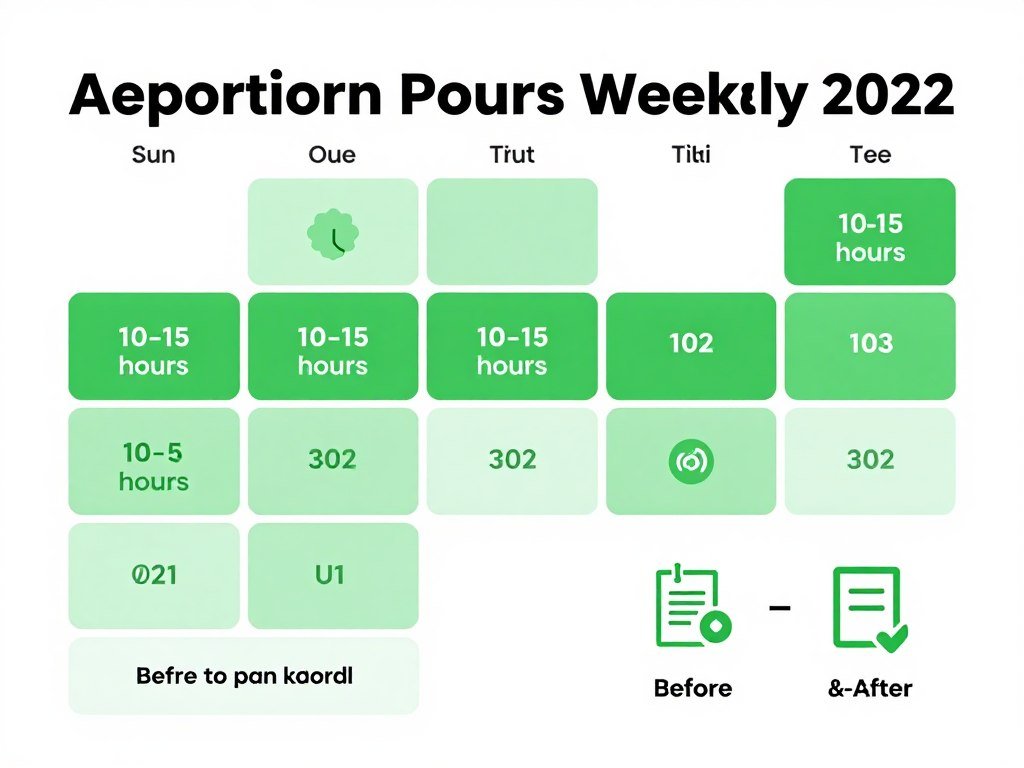
Organizations consistently report that team members reclaim between 10 to 15 hours each week after implementing learned workflows. Repetitive data entry disappears. Report generation becomes automatic. Email responses get drafted instantly.
- Document processing reduced from hours to minutes
- Meeting scheduling fully automated
- Customer inquiry routing optimized
- Research compilation accelerated by 70%
Revenue Growth

Freed capacity allows professionals to focus on high-value activities. Sales teams contact more qualified prospects. Consultants serve additional clients. Account managers provide better customer experience without increasing headcount.
- 25-40% revenue increase within 90 days
- Client capacity expanded without hiring
- Deal closure rates improved through better follow-up
- Upsell opportunities identified automatically
Quality Improvements
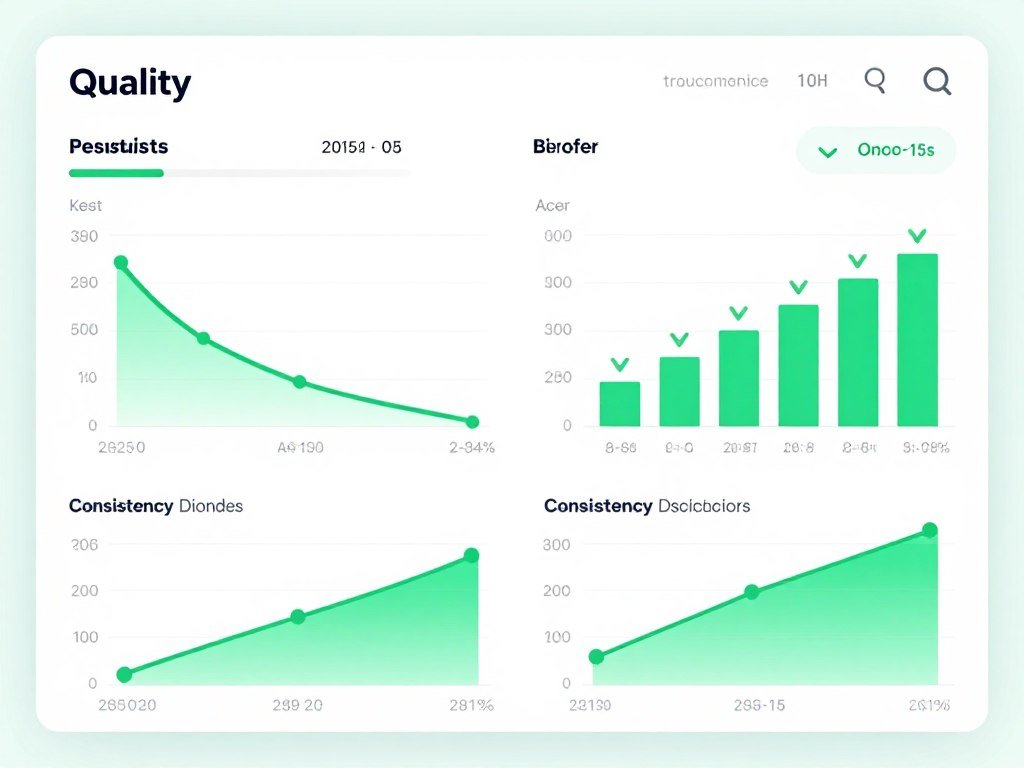
Machine learning applications reduce human error in repetitive processes. Consistency improves across all outputs. Standards get maintained automatically. Quality control becomes embedded in workflows rather than applied afterward.
- Error rates decreased by 60-85%
- Consistency achieved across all team outputs
- Compliance violations eliminated
- Customer satisfaction scores increased
These improvements compound over time. Initial efficiency gains create capacity for strategic initiatives. Strategic initiatives generate additional revenue. Additional revenue funds further innovation. The cycle accelerates organizational growth.
Industry-Specific Application Examples Applied Industry
Different sectors face unique challenges requiring tailored AI solutions. Courses CFTE put together for financial professionals differ substantially from programs designed for healthcare operations or manufacturing management. Effective training acknowledges these distinctions.
Financial Services Transformation

Finance teams implement AI for portfolio analysis, risk modeling, regulatory compliance, and customer service automation. The course introduced insights that transformed back-office operations.
Investment analysts use language model applications to process thousands of earning reports in minutes rather than days. Compliance officers automate regulatory documentation. Wealth advisors generate personalized client communications at scale.
Financial institutions that acknowledge team efforts building bundling beautiful contents reading materials see adoption rates exceed 90 percent. When training covers different areas fintech operations comprehensively, implementation follows naturally.
Key Finance Applications
- Automated fraud detection and alert systems
- Portfolio rebalancing recommendations
- Customer query response generation
- Regulatory report compilation
- Credit risk assessment modeling
- Market trend analysis and summarization
- Client onboarding workflow automation
- Contract review and data extraction
Case Study: A mid-sized wealth management firm reduced client onboarding time from 5 days to 4 hours through automated document processing and verification workflows learned in a 2-week bespoke training program.
Healthcare and Life Sciences

Healthcare organizations face massive documentation burdens. Patient records require meticulous attention. Appointment scheduling consumes staff time. Insurance verification creates bottlenecks. Generative applications address these operational challenges.
Medical practices automate appointment reminders, insurance verification, and initial patient intake. Clinical staff focus on patient care rather than administrative tasks. Data accuracy improves while documentation time decreases significantly.
Healthcare AI Applications
- Patient intake form processing and EHR entry
- Insurance verification and pre-authorization
- Appointment scheduling and reminder automation
- Medical transcription and note generation
- Patient communication personalization
- Prescription refill management
- Clinical trial matching and recruitment
- Supply inventory optimization
Outcome: A regional hospital network automated 70% of non-clinical administrative tasks, allowing nursing staff to spend an additional 90 minutes daily on direct patient care.
Professional Services and Consulting

Consultants spend excessive time on research, presentation creation, and client deliverable preparation. AI automation transforms these time-intensive activities into streamlined processes.
Strategic consultants use AI to compile market research, generate client presentations, and draft initial recommendations. This efficiency allows firms to serve more clients without proportionally increasing staff.
Consulting AI Applications
- Market research compilation and analysis
- Client presentation generation
- Proposal writing and customization
- Project status reporting automation
- Competitive analysis summarization
- Meeting notes and action item extraction
- Client communication drafting
- Knowledge base search and retrieval
Result: A management consulting firm increased billable hours per consultant by 35% while reducing proposal development time from 8 hours to 90 minutes per opportunity.
These examples applied industry standards show how tailored training creates immediate value. Generic courses cannot provide this level of specific application because they lack industry context and workflow understanding.
Schedule Your Free AI Strategy Consultation
Our specialists will assess your current workflows, identify automation opportunities, and design a custom AI 360° training program for your team. No obligation. Completely confidential.
Limited availability. Next 10 consultations include complimentary workflow automation assessment (£1,200 value).
Comprehensive Training Structure and Delivery Methods
Effective AI 360° bespoke training solutions combine multiple delivery formats to accommodate different learning styles and operational constraints. Organizations cannot shut down operations for extended training periods, yet employees need sufficient time to develop genuine competency.
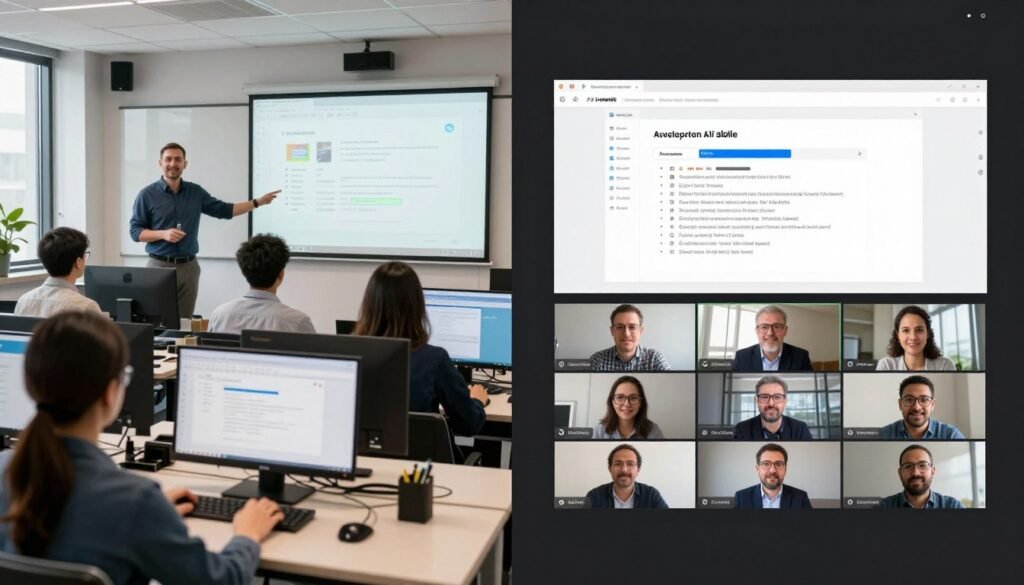
The model balances live instruction with self-paced learning, immediate implementation with ongoing support, and theoretical fundamentals with practical application. This flexibility allows organizations to maintain productivity while building team capabilities.
Core Training Format Options
- Full-day or multi-day concentrated sessions
- Maximum hands-on implementation time
- Immediate instructor feedback and troubleshooting
- Team cohesion and collaborative learning
- Rapid skill development in compressed timeline
- Best for teams that can dedicate focused time
Live Intensive Workshops
- Weekly or bi-weekly sessions over several months
- Minimal disruption to daily operations
- Time for practice between sessions
- Geographic flexibility for distributed teams
- Progressive skill building with reinforcement
- Ideal for remote or hybrid workforces
Modular Virtual Programs
- Combines live kickoff with ongoing virtual modules
- Self-paced foundational content before live sessions
- Office hours and consultation availability
- Recorded content for reference and reinforcement
- Flexibility balanced with structured guidance
- Most popular format for mid-sized organizations
Hybrid Blended Approach
Curriculum Development Process
World class training programs begin months before the first session. Curriculum designers conduct extensive discovery to understand organizational context, technical infrastructure, skill levels, and strategic objectives.
- Pre-Training Assessment: Teams complete skill evaluations and workflow documentation. Trainers review current tools, processes, and pain points. This information shapes every aspect of curriculum design.
- Custom Content Creation: Instructional designers build lessons using your actual workflows as examples. Case studies come from your industry. Exercises solve your real problems. No generic scenarios appear.
- Tool Selection and Configuration: Rather than teaching every available AI tool, programs focus on the specific applications that address identified needs. Infrastructure compatibility gets verified before training begins.
- Pilot Testing: Initial curriculum gets tested with a small group. Feedback informs adjustments before full deployment. This iteration ensures maximum relevance and effectiveness.
- Full Deployment: Training launches to complete teams with refined content and validated exercises. Participants immediately apply learning to actual work scenarios during sessions.
- Post-Training Support: Consultation continues after formal training concludes. Teams access updated materials, advanced workshops, and troubleshooting support as they expand AI usage.
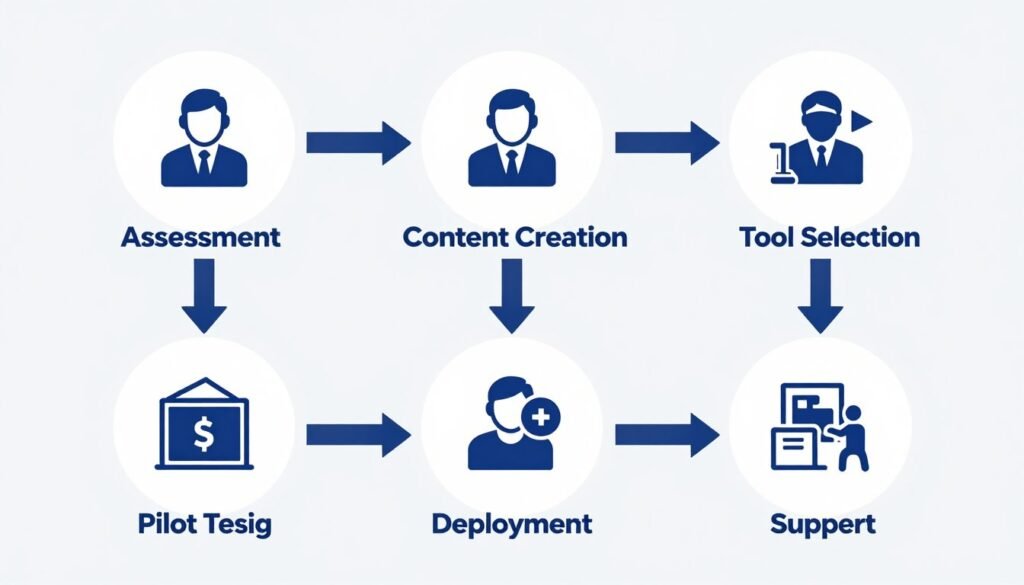
This methodical approach ensures that courses CFTE put together or any world class provider delivers align perfectly with organizational needs. Content really relevant because it was designed specifically for your context.
Skills Progression Framework
Competency development follows a structured path from foundational understanding to advanced implementation. Programs avoid overwhelming participants with complexity while ensuring they gain practical capabilities quickly.
Level 1: Foundational Understanding
Participants learn AI fundamentals without technical jargon. Core concepts include how machine learning works, what generative applications can and cannot do, and where AI fits in business workflows. This level establishes shared vocabulary and realistic expectations.
Level 2: Tool Proficiency
Teams gain hands-on experience with selected AI tools. Training focuses on no-code platforms that integrate with existing systems. Participants build actual automations during sessions that they can deploy immediately in their work.
Level 3: Workflow Integration
Advanced modules address how to embed AI throughout operational processes. Participants learn to identify new automation opportunities independently, design multi-step workflows, and troubleshoot common implementation challenges.
Level 4: Strategic Application
Senior team members explore how AI enables new business models, service offerings, and competitive advantages. This level addresses change management, team adoption strategies, and measuring AI impact on business objectives.
Most organizations complete Levels 1-2 in initial training and progress to Levels 3-4 through ongoing consultation and advanced workshops. This staged approach prevents overwhelm while building sustainable capabilities.
Selecting the Right AI Training Provider
Not all AI training providers deliver equivalent value. Some offer repackaged generic content with minimal customization. Others promise transformation but lack practical implementation expertise. Organizations must evaluate providers carefully to ensure training investment produces actual results.

The finance sector learned this lesson through experience. Early AI training initiatives often disappointed because providers lacked domain expertise. Generic examples felt irrelevant. Promised outcomes never materialized. Skepticism grew among finance professionals about AI training value.
Organizations that gained lot courses CFTE put together or similar world class programs discovered critical selection criteria. These factors differentiate effective providers from those delivering minimal value.
Essential Provider Evaluation Criteria
Industry Specialization
Providers must demonstrate deep expertise in your specific sector. Look for case studies from similar organizations, industry-specific examples in curriculum materials, and instructors with relevant professional backgrounds.
- Documented results in your industry
- Sector-specific case study portfolio
- Instructor backgrounds matching your field
- Understanding of regulatory constraints
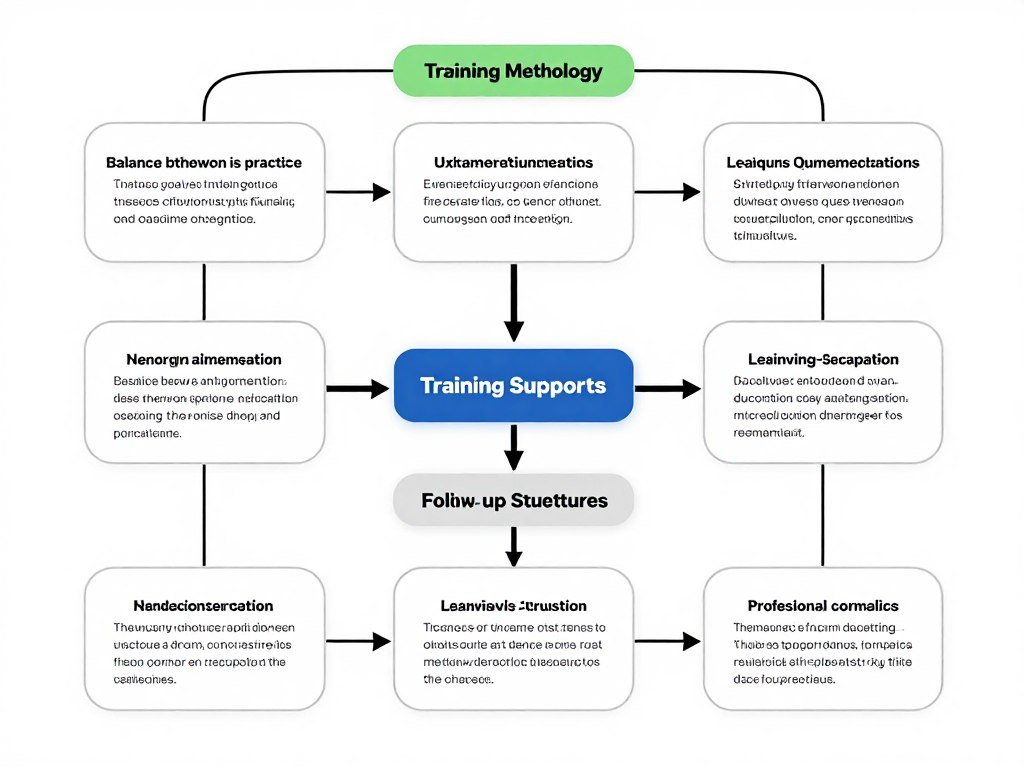
Implementation-Focused Methodology
Effective providers emphasize building during training rather than just learning about concepts. Participants should leave sessions with deployed automations, not just certificates.
- Hands-on exercises using real workflows
- Live implementation during sessions
- Immediate deployment capability
- Follow-up support structure
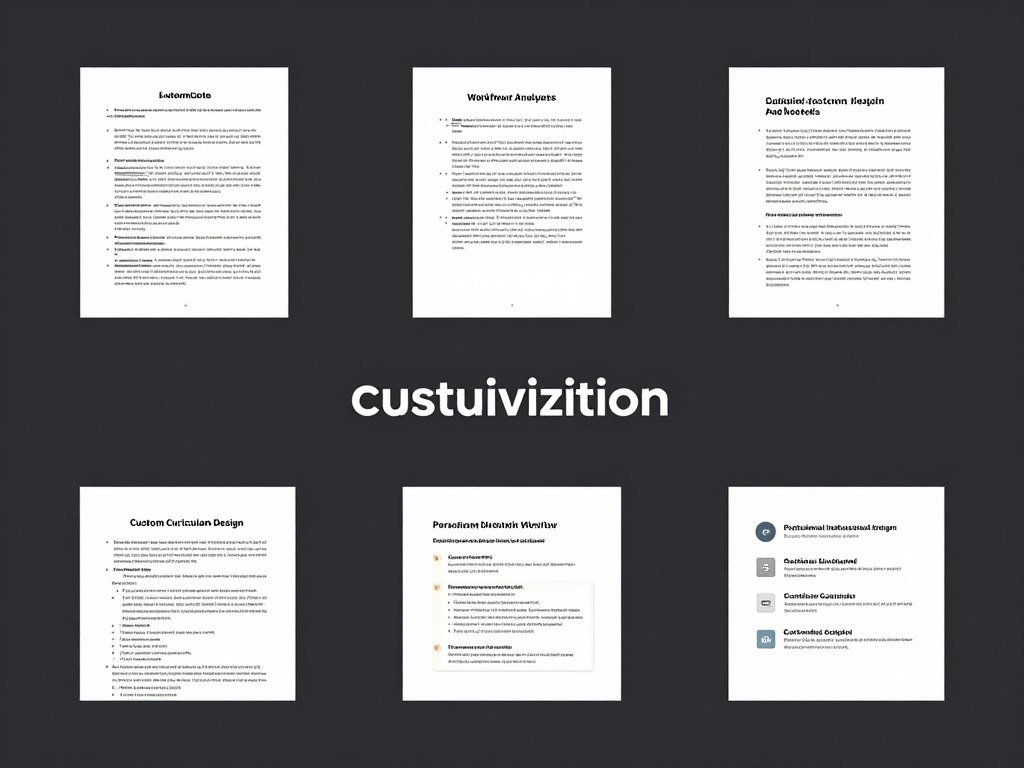
Customization Capability
True bespoke training requires significant upfront investment from providers. Evaluate whether they conduct thorough pre-training assessment and create genuinely custom content versus slightly modified standard programs.
- Comprehensive discovery process
- Custom content development included
- Flexible curriculum adaptation
- Your workflows as training examples
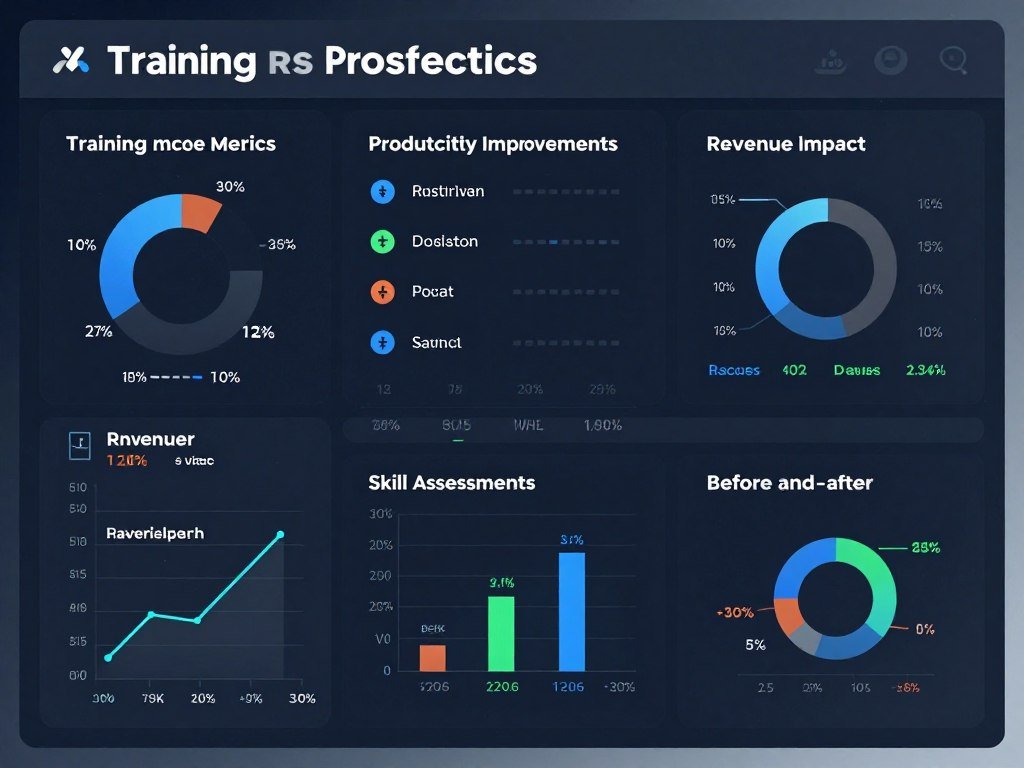
Measurable Outcomes
Reputable providers guarantee specific outcomes and measure results systematically. Look for clear success metrics, outcome guarantees, and regular progress assessment built into programs.
- Documented success metrics
- Outcome guarantee policies
- Progress tracking methodology
- Post-training impact measurement
Ongoing Support Infrastructure
Learning continues after initial training. Quality providers offer consultation access, updated materials as AI capabilities evolve, and community resources for continued skill development.
- Post-training consultation hours
- Regular content updates included
- Community access for peer learning
- Advanced workshop opportunities
Verified Client Results
Request references from organizations similar to yours. Speak with past clients about actual outcomes, not just satisfaction scores. Look for specificity in case studies rather than vague success claims.
- Referenceable client organizations
- Specific outcome documentation
- Video testimonials with metrics
- Third-party validation
Red Flags to Avoid
Warning Signs of Ineffective Providers
- One-size-fits-all curriculum: Identical content for all industries suggests lack of genuine customization
- Theory-heavy approach: Excessive focus on AI concepts without practical implementation indicates academic rather than operational focus
- Vague outcome promises: General claims about “transformation” without specific, measurable commitments
- No pre-training assessment: Jumping straight to training without understanding your workflows shows superficial approach
- Limited post-training support: Training ends when sessions conclude, leaving teams without implementation guidance
- Instructor inexperience: Trainers who have never implemented AI in business settings beyond teaching
- Proprietary tool lock-in: Programs that require purchasing specific tools from affiliated vendors
Organizations should request detailed proposals from multiple providers, compare curriculum samples, speak with references, and evaluate instructor backgrounds before making selection decisions. The cheapest option rarely delivers best value in training investment.
Questions to Ask Potential Providers
Look for providers who customize at least 60-70% of content. Some foundational material stays consistent, but most examples, exercises, and case studies should reflect your specific context.
Effective providers track deployment rates of learned automations, time saved per participant, accuracy improvements, and business impact metrics. Satisfaction matters but outcomes matter more.
Quality providers include outcome guarantees with specific support commitments if participants face implementation challenges. This should be documented in contracts, not just verbal promises.
Meet the specific instructors assigned to your program, review their backgrounds, and ensure they have relevant industry experience. Avoid providers who assign instructors only after contract signing.
AI advances rapidly. Providers should offer regular curriculum updates, quarterly refresher content, and access to new capability workshops as part of ongoing relationships.
Thorough provider evaluation prevents costly mistakes. Organizations that invest time in selection process consistently report higher satisfaction and better outcomes than those making quick decisions based primarily on price.
Successful Implementation and Change Management
Even exceptional training fails without proper implementation support and change management. Organizations face predictable challenges when introducing AI capabilities. Employees resist new workflows. Technical integration creates friction. Initial enthusiasm fades without sustained reinforcement.

Companies that acknowledge team efforts building bundling beautiful contents reading materials into comprehensive change strategies see dramatically higher adoption rates. Success requires planning beyond the training schedule itself.
Pre-Training Preparation
Groundwork laid before training begins determines long-term success. Organizations should complete several preparatory steps to maximize training effectiveness and minimize implementation friction.
Technical Infrastructure Readiness
Verify that participants can access required tools and platforms before training begins. IT teams should complete account provisioning, permission configuration, and integration testing.
- Tool account creation for all participants
- Access permission verification
- Network and security clearance
- Integration with existing systems tested
- Backup and data management protocols
Stakeholder Alignment
Secure executive sponsorship and communicate training objectives clearly across the organization. Address concerns proactively and establish success metrics that leadership will track.
- Executive sponsor identification
- Clear business objectives documentation
- Success metrics defined and communicated
- Department leader briefings completed
- Budget and resource allocation confirmed
Participant Selection and Preparation
Choose initial cohorts strategically. Include influential team members who will champion adoption alongside those who may resist change. Provide pre-training context about program objectives and expected time commitment.
- Strategic cohort composition
- Calendar time blocked in advance
- Pre-training orientation completed
- Baseline skill assessment conducted
- Individual learning objectives set
Workflow Documentation
Document current processes thoroughly so trainers understand operational context. This documentation becomes the foundation for identifying automation opportunities and designing relevant exercises.
- Process maps for key workflows
- Pain point inventory compiled
- Time tracking for repetitive tasks
- Current tool usage documented
- Integration requirements identified
During Training Best Practices
Active participation transforms learning from passive information consumption to skill development. Organizations should create conditions that encourage engagement and immediate application.
Maximize Learning Effectiveness
- Eliminate distractions: Hold training in dedicated spaces away from daily work areas. Encourage participants to close email and messaging applications during sessions.
- Work with real data: Use actual organizational information in exercises rather than sanitized examples. Real-world relevance dramatically increases engagement and retention.
- Encourage experimentation: Create safe environments where participants feel comfortable trying approaches and making mistakes. Learning happens through iteration.
- Facilitate peer learning: Structure activities that promote collaboration. Participants often learn best from colleagues facing similar challenges.
- Document decisions: Capture automation design choices, tool selection rationale, and implementation plans during sessions for future reference.
- Build immediately: Prioritize creating functional automations during training over covering additional theoretical concepts. Deployed solutions prove capability.
Post-Training Implementation Support
The critical period immediately following training determines whether learned skills become embedded habits or forgotten concepts. Organizations need structured support during this transition phase.

Weeks 1-2: Rapid Deployment
Participants implement their first automations with close support. Daily office hours provide troubleshooting assistance. Quick wins build confidence and momentum.
- Daily implementation office hours
- Troubleshooting support on demand
- Peer accountability partnerships
- Early success documentation
Weeks 3-6: Expansion Phase
Teams identify additional automation opportunities beyond those covered in training. Support shifts from troubleshooting to optimization and expansion guidance.
- Weekly group consultation sessions
- Advanced technique workshops
- Automation review and optimization
- Cross-team knowledge sharing
Months 2-6: Sustainability
Organizations develop internal expertise and reduce dependence on external support. Champions emerge who can guide colleagues independently.
- Monthly advanced workshops
- Champion development program
- Internal documentation creation
- New use case identification
Measuring Training Impact
Organizations must track concrete metrics to justify training investment and identify areas requiring additional support. Measurement should begin before training and continue for at least six months after.
| Metric Category | Specific Measurements | Target Timeline |
| Time Efficiency | Hours saved per person weekly on automated tasks | Visible within 2 weeks |
| Adoption Rate | Percentage of participants actively using learned automations | 80%+ by week 4 |
| Process Quality | Error rate reduction in automated workflows | Measurable within 30 days |
| Output Volume | Increase in completed tasks or served customers | 20-30% increase by month 2 |
| Financial Impact | Revenue increase or cost reduction attributable to AI | Visible within 90 days |
| Skill Development | New automations created beyond training examples | 2-3 per person by month 3 |
| Employee Satisfaction | Reported reduction in frustrating repetitive work | Surveyed at 30 and 90 days |
Regular measurement creates accountability and identifies participants who need additional support. Data also justifies expanding training to additional teams and departments.
Outcome Guarantee: Your Success Is Guaranteed
If your team doesn’t deploy at least 3 working automations within 2 weeks of completing training, we’ll provide additional support at no charge until you achieve results. Clear. Fair. Non-negotiable.
February cohort closes in 5 days. Only 8 seats remain.
Advanced AI Applications and Continuous Learning
Initial training establishes foundational capabilities, but AI’s potential extends far beyond basic automation. Organizations that continue developing skills access increasingly sophisticated applications that create significant competitive advantages.
The course introduced insights into generative applications that initially seemed theoretical. As professionals gained experience, they discovered increasingly powerful use cases. Machine learning capabilities that felt intimidating initially became accessible tools for solving complex business challenges.
Progression to Advanced Capabilities
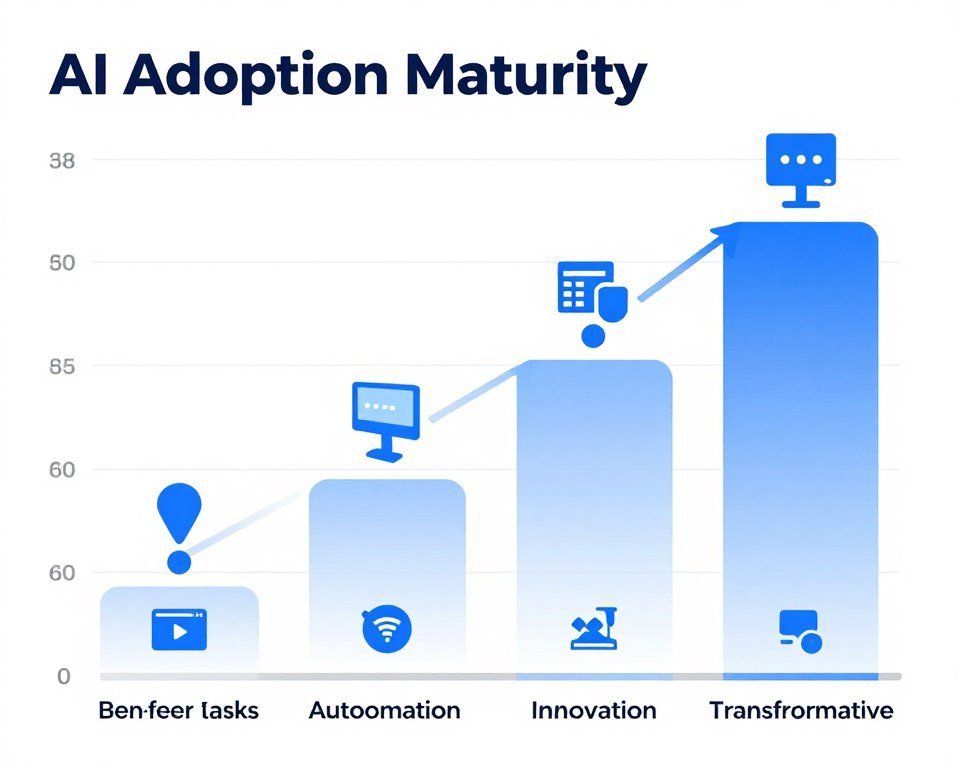
Organizations typically progress through predictable stages as AI literacy increases. Each stage unlocks new possibilities that were not apparent or achievable at earlier maturity levels.
Stage 1: Task Automation (Months 0-3)
Initial focus remains on automating individual repetitive tasks. Email drafting gets automated. Data entry disappears. Document processing accelerates. These quick wins build confidence and free capacity.
Stage 2: Workflow Integration (Months 3-6)
Teams connect multiple automations into comprehensive workflows. Customer onboarding becomes end-to-end automated. Lead nurturing happens without manual intervention. Multiple tools work together seamlessly.
Stage 3: Intelligent Decision Support (Months 6-12)
AI begins assisting with analytical and strategic tasks. Market analysis gets augmented by machine learning insights. Risk assessment incorporates predictive models. Opportunity identification becomes data-driven.
Stage 4: Transformative Innovation (Months 12+)
Organizations redesign business models around AI capabilities. New service offerings become possible. Competitive positioning shifts. Industry leadership emerges through technology leverage.
Maturity Acceleration
Organizations with strong training foundations and ongoing learning programs progress through these stages 40-60% faster than those attempting self-guided AI adoption. Structured support dramatically accelerates capability development.
Advanced Application Areas
As teams develop proficiency, they explore sophisticated use cases that deliver substantial business value. These applications require deeper understanding and more complex implementation than basic automations.
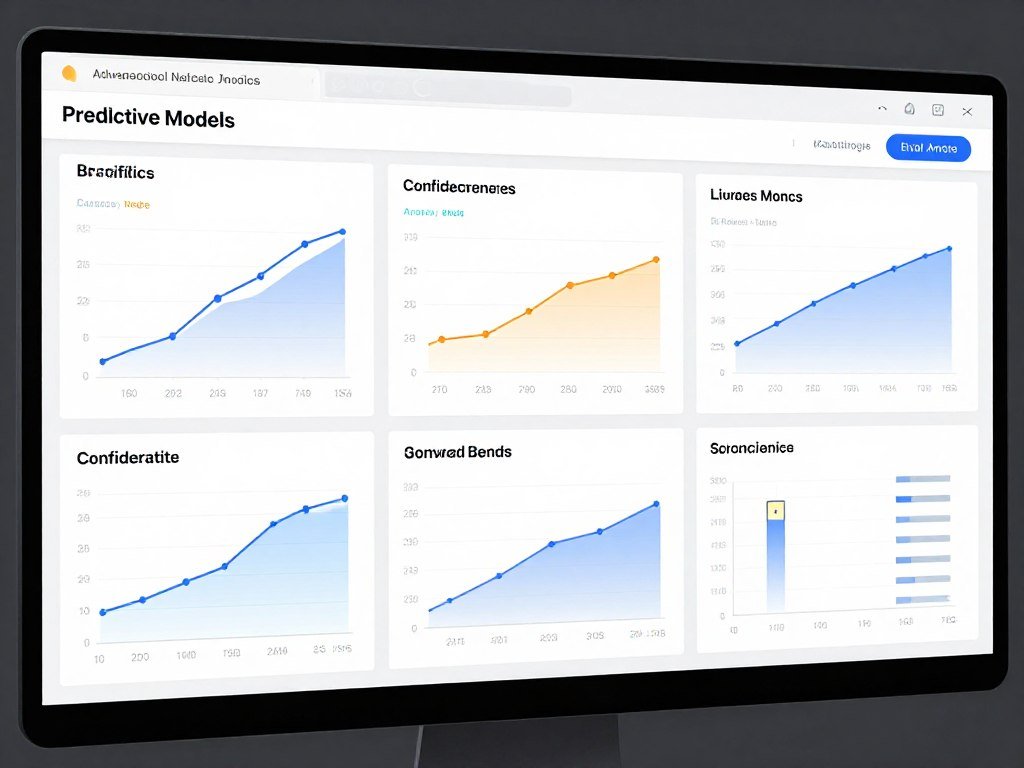
Predictive Analytics
Machine learning models forecast customer behavior, market trends, and operational needs. Finance teams predict cash flow requirements. Sales teams identify high-probability opportunities. Operations teams optimize inventory levels.
- Customer churn prediction
- Demand forecasting
- Financial performance modeling
- Risk assessment automation
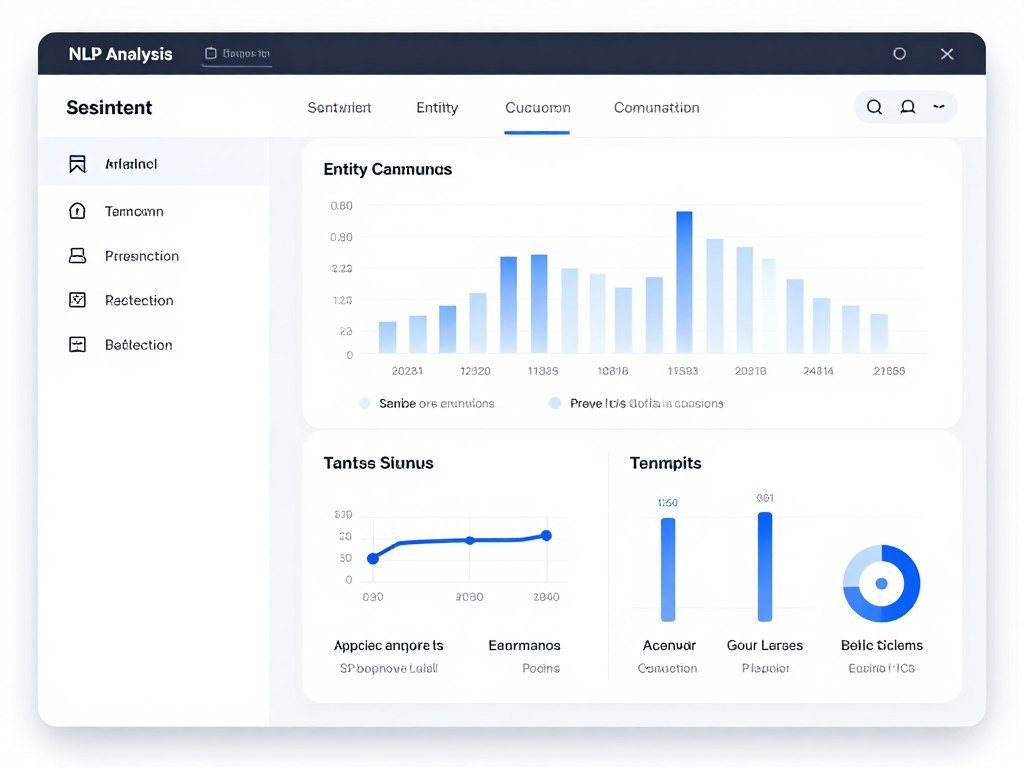
Natural Language Processing
Language model applications analyze customer feedback, extract insights from documents, and generate personalized communications at scale. Understanding customer sentiment becomes automatic. Contract analysis accelerates dramatically.
- Sentiment analysis on customer feedback
- Automated contract review
- Intelligent document search
- Personalized content generation
Computer Vision Applications
Image and video analysis creates efficiency in visual inspection, document processing, and quality control. Manufacturing detects defects automatically. Healthcare processes medical imaging. Retail manages inventory through visual recognition.
- Automated quality inspection
- Document digitization and extraction
- Visual inventory management
- Image-based search systems
Continuous Learning Pathways
AI capabilities evolve rapidly. Organizations need structured approaches to keep teams current as new tools emerge and existing platforms add features. World class training providers offer multiple ongoing learning options.
Monthly Advanced Workshops
Short focused sessions on emerging capabilities, new tools, and advanced techniques. Topics respond to latest AI developments and participant requests.
Format: 90-minute virtual sessions with recordings
Frequency: Monthly with archive access
Quarterly Curriculum Updates
Core training materials get refreshed quarterly to reflect new capabilities and updated best practices. Participants receive updated content automatically.
Includes: New exercises, updated examples, additional tools
Delivery: Digital materials plus summary webinar
Community Knowledge Sharing
Private forums connect participants across organizations. Members share discoveries, troubleshoot challenges, and learn from peers facing similar situations.
Access: Private online community platform
Moderation: Expert instructors guide discussions
On-Demand Consultation
Direct access to instructors for specific implementation challenges or advanced use case design. Included consultation hours ensure support when needed.
Included: Varies by program level
Response: Within 1 business day
Organizations combining initial training with ongoing learning programs maintain competitive advantages as AI capabilities advance. One-time training becomes obsolete quickly in this rapidly evolving field.
Real-World Success Stories and Outcomes
Concrete examples demonstrate how organizations across industries achieve measurable results through AI 360° bespoke training solutions. These case studies reveal specific implementations, challenges overcome, and quantified business impact.

Financial Services: Investment Research Transformation
A mid-sized asset management firm struggled with research analyst capacity constraints. Each analyst spent 15-20 hours weekly reading earnings reports, regulatory filings, and market analysis to stay current on portfolio companies. The firm could not afford to expand the team but needed to cover more securities.
After completing a customized AI training program focused on finance applications, analysts implemented automated document processing and summarization workflows. AI tools now process hundreds of documents nightly, extracting key information and generating initial summaries.
Analysts review AI-generated summaries rather than reading full documents, reducing research time from 18 hours to 4 hours weekly per person. The saved capacity allowed the firm to expand coverage from 120 to 210 securities without additional headcount.
Quantified Results:
- 14 hours saved per analyst weekly
- 75% increase in securities coverage
- Same team size maintained
- Research quality scores improved
- Implementation completed in 3 weeks
“The course introduced insights we immediately applied to our research process. Content really relevant to financial analysis meant we didn’t waste time on irrelevant examples. Within two weeks, every analyst had deployed working automations.”

Healthcare: Patient Communication Automation
A regional healthcare network faced overwhelming administrative burden from patient communications. Staff spent countless hours scheduling appointments, sending reminders, answering routine questions, and following up on treatment plans. Patient satisfaction suffered due to slow response times.
The network implemented AI 360° bespoke training solutions customized for healthcare operations. Training covered different areas fintech organizations face, adapted to medical practice context. Administrative teams learned to automate appointment scheduling, reminder systems, and initial patient inquiry responses.
AI handles routine communications while staff focus on complex patient needs requiring human judgment. Average response time decreased from 4 hours to 15 minutes. Patient satisfaction scores increased significantly while administrative staff workload became manageable.
Implementation Outcomes:
- 87% of routine communications automated
- Response time reduced by 94%
- Patient satisfaction increased 23 points
- Administrative overtime eliminated
- Staff stress levels decreased measurably
“We gained lot courses CFTE put together offered to finance, adapted to healthcare. The methodology transferred perfectly. Our team acknowledged team efforts building bundling beautiful contents reading materials into our workflows. Results exceeded expectations.”

Professional Services: Proposal Development Acceleration
A management consulting firm lost opportunities due to slow proposal turnaround. Developing customized proposals required 12-16 hours per opportunity, limiting the firm to responding to only the most promising prospects. Win rates stayed below industry averages due to generic proposal content.
Custom training focused on automating proposal assembly, client research compilation, and personalization. Consultants learned to use AI for competitive analysis, client background research, and initial draft generation. Human expertise gets applied to customization and strategic positioning rather than document assembly.
Proposal development time dropped from 14 hours to 2.5 hours while quality and personalization improved. The firm now responds to every qualified opportunity rather than selectively engaging. Win rates increased from 23% to 31% due to faster response and better customization.
Business Impact:
- 82% reduction in proposal development time
- 3.2x increase in proposal volume
- Win rate improved from 23% to 31%
- Revenue increased 44% without headcount growth
- Client engagement quality improved
“The training gave lot examples applied industry wide across consulting. We liked gave lot practical exercises using our actual proposal templates. Implementation happened during training, not weeks later.”

Common Success Patterns
Analysis of successful implementations reveals consistent patterns that contribute to positive outcomes. Organizations achieving best results share several characteristics.
Success Factors
- Executive sponsorship and visible support
- Realistic expectations set before training
- Time protected for learning and implementation
- Quick wins celebrated and communicated
- Ongoing support utilized actively
- Champions identified and empowered
- Measurement systems established early
- Continuous improvement mindset adopted
Failure Risk Factors
- Training treated as one-time event
- No protected implementation time allocated
- Unrealistic outcome expectations
- Resistance from middle management
- Technical barriers not addressed proactively
- No measurement or accountability
- Learning not reinforced after training
- Champions not supported or recognized
Organizations can dramatically increase success probability by recognizing and addressing these factors proactively. Training providers should help clients navigate these organizational dynamics as part of comprehensive program design.
See How Organizations Like Yours Achieved Results
Download our complete case study collection featuring detailed implementation stories from finance, healthcare, consulting, and technology companies. Includes specific workflows, tools used, and measured outcomes.
Training Investment and Return on Investment
Organizations rightfully scrutinize training expenditures. Budgets face competing priorities. Finance teams demand clear ROI justification. Decision-makers need confidence that training investment will produce measurable returns that exceed costs.
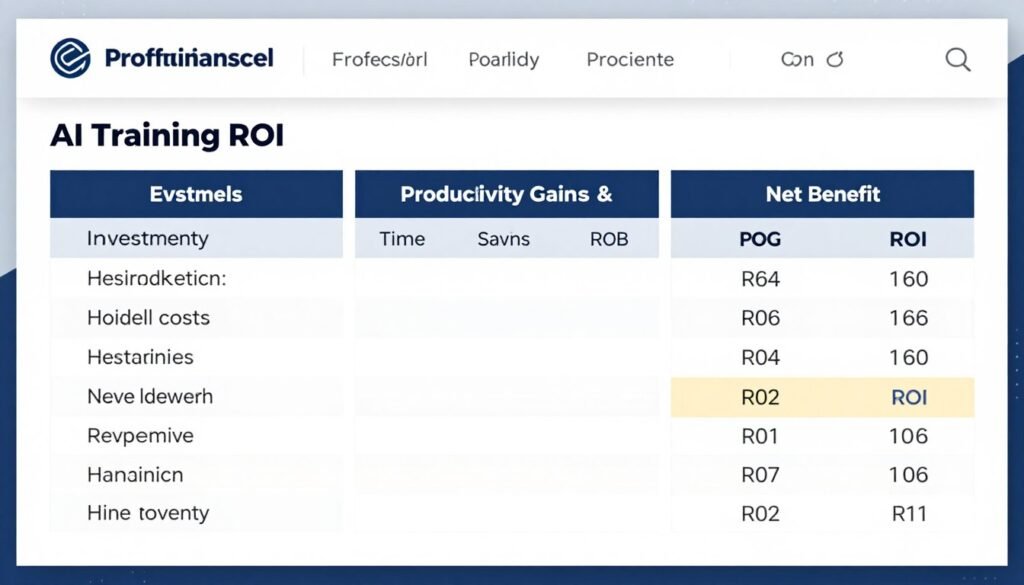
AI 360° bespoke training solutions represent significant investment compared to generic online courses. Understanding cost components, expected ROI timelines, and factors affecting return helps organizations make informed decisions.
Investment Components
Total training investment extends beyond direct program fees. Organizations should budget for several components when planning AI training initiatives.
| Cost Component | Description | Typical Range |
| Training Program Fees | Direct cost for customized curriculum development and delivery | $1,500-$3,500 per participant |
| Participant Time Investment | Salary cost for time spent in training sessions and implementation | 20-40 hours per person |
| Tool Subscriptions | AI platform and automation tool licenses if not already subscribed | $20-$100 per user monthly |
| Implementation Support | IT time for integration, security review, and technical enablement | 40-80 hours internal time |
| Ongoing Learning | Advanced workshops, consultation hours, and content updates | $500-$1,200 per participant annually |
For a 10-person team, total first-year investment typically ranges from $30,000 to $65,000 depending on program scope, participant seniority, and included support services. This represents substantial commitment requiring clear business justification.
Expected Return on Investment
ROI calculation should account for multiple benefit categories. Time savings represent most obvious return, but quality improvements, capacity expansion, and employee satisfaction create additional value.
Direct Financial Returns
- Productivity Gains: 10-15 hours reclaimed weekly per person equals 25-37% capacity increase. At $75/hour average cost, this generates $37,500-$56,250 annual value per person.
- Revenue Growth: Increased capacity enables serving more clients or pursuing new opportunities. Organizations typically see 15-30% revenue increase within 6 months.
- Cost Avoidance: Automation eliminates need for additional headcount as workload grows. Each avoided hire saves $60,000-$120,000 in annual fully-loaded costs.
- Error Reduction: Quality improvements reduce rework, customer service costs, and compliance risk. Value varies by industry but typically exceeds $10,000 annually per person.
Indirect Value Creation
- Employee Retention: Reduced frustration from repetitive work improves job satisfaction. Retention improvements save recruiting and onboarding costs averaging $30,000-$50,000 per prevented departure.
- Competitive Positioning: Faster response times and higher quality service differentiate organizations from competitors, supporting premium pricing and market share gains.
- Innovation Capacity: Freed time allows strategic thinking and innovation rather than operational tasks. Long-term value difficult to quantify but substantial.
- Organizational Agility: Teams can absorb changing requirements and new initiatives without breaking under workload pressure.
ROI Timeline and Breakeven
Most organizations achieve positive cash-flow ROI within 3-5 months after training completion. Conservative models show 200-350% first-year ROI for successful implementations.
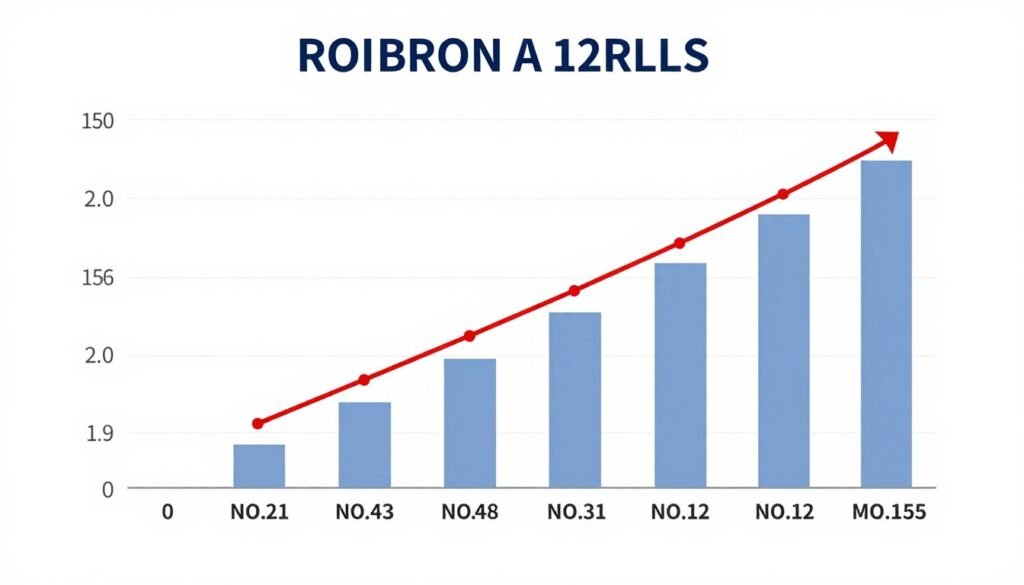
Sample ROI Calculation
Consider a 10-person team with $75 average hourly cost completing AI training:
Investment:
- Training fees: $25,000 ($2,500 per person)
- Participant time: $30,000 (40 hours per person)
- Tool subscriptions: $7,200 annual ($60 per user monthly)
- Implementation support: $6,000 (80 hours internal IT)
- Total First-Year Investment: $68,200
Conservative Return Estimate:
- Time savings: $187,500 (10 people × 10 hours weekly × $75 × 50 weeks)
- Revenue growth: $150,000 (20% increase on $750K baseline)
- Cost avoidance: $80,000 (1 avoided hire)
- Error reduction: $25,000 (reduced rework and customer issues)
- Total First-Year Benefit: $442,500
Net ROI: $374,300 (549% return on investment)
Breakeven: Month 4
Even with conservative assumptions, well-implemented training delivers substantial positive ROI. Organizations that achieve only half these returns still see compelling business cases.
Maximizing Training ROI
Several factors influence whether organizations achieve high-end or low-end ROI outcomes. Deliberate attention to these elements improves return probability.
- Rapid Implementation: Organizations deploying automations within 2 weeks achieve 40% higher ROI than those delaying implementation.
- Executive Accountability: Leadership tracking and discussing progress regularly increases adoption rates and measurable outcomes.
- Comprehensive Adoption: Teams where 80%+ of participants actively use learned skills see 2.5x better ROI than partial adoption scenarios.
- Continuous Expansion: Organizations that identify and automate additional workflows after initial training multiply benefits beyond first-year calculations.
- Knowledge Sharing: Internal champions teaching colleagues extend benefits without proportional cost increases.
Training represents investment in organizational capability rather than expense. Viewing it through this lens helps justify appropriate budget allocation and ensures proper support for success.
Getting Started With AI Training Implementation
Organizations convinced of AI training value face practical questions about beginning the journey. Where should you start? How do you select initial participants? What preparation maximizes success probability?

Successful implementations follow structured approaches that minimize risk while maximizing learning and adoption. These proven steps guide organizations from decision to deployment.
Step-by-Step Implementation Roadmap
Phase 1: Assessment and Planning
Understanding current state and defining desired outcomes provides foundation for effective training design.
- Document major pain points and time drains
- Identify high-potential automation opportunities
- Define measurable success criteria
- Secure executive sponsorship and budget
- Select initial participant cohort strategically
Phase 2: Provider Selection
Careful provider evaluation ensures training investment delivers expected value and organizational fit.
- Research providers with industry expertise
- Review case studies from similar organizations
- Interview provider references thoroughly
- Compare customization approaches and depth
- Evaluate outcome guarantees and support
Phase 3: Preparation and Readiness
Groundwork completed before training begins dramatically improves adoption rates and implementation speed.
- Complete technical infrastructure setup
- Provide participant orientation and context
- Clear calendars and protect training time
- Communicate objectives organization-wide
- Establish baseline metrics for comparison
Phase 4: Training Execution
Active engagement during training sessions and immediate application maximize learning retention and capability development.
- Participate fully in all sessions
- Work with real organizational data
- Build functional automations during training
- Ask questions and request clarification
- Document decisions and design choices
Phase 5: Rapid Deployment
Immediate post-training implementation period determines whether skills become embedded or fade away.
- Deploy first automations within 48 hours
- Utilize daily office hours support
- Celebrate and communicate quick wins
- Troubleshoot challenges immediately
- Expand beyond training examples
Phase 6: Scaling and Sustainability
Embedding AI capabilities organization-wide and maintaining momentum creates long-term competitive advantage.
- Train additional cohorts systematically
- Develop internal champion network
- Continue learning through advanced workshops
- Measure and report ongoing impact
- Integrate AI into standard processes
Common Getting Started Questions
Pilot cohorts reduce risk and create internal champions who can support subsequent groups. Start with 8-15 influential team members representing different departments. Their success builds credibility and momentum for broader rollout.
Initial training typically requires 16-24 hours over 2-4 weeks depending on format. Implementation adds 10-15 hours in the first month. Total time investment pays back within 4-6 weeks through efficiency gains.
No coding skills required. Participants need basic computer literacy, willingness to learn new tools, and openness to changing established workflows. Most programs assume no prior AI experience.
Include skeptics in initial cohorts rather than excluding them. Hands-on experience with practical applications typically converts skepticism to enthusiasm. Focus on how AI eliminates frustrating tasks rather than threatening jobs.
Bespoke training specifically addresses specialized scenarios. Providers conduct discovery to understand your unique context and build curriculum around your specific workflows. Specialization actually makes training more valuable, not less.
Most organizations measure time savings within 2 weeks and see broader business impact within 60-90 days. ROI breakeven typically occurs in months 3-5 depending on adoption speed and automation scope.
Critical Success Factors
Research across hundreds of training implementations identifies factors consistently present in successful outcomes:
The Five Pillars of Training Success
- Executive Commitment: Visible leadership support signals organizational priority. Executives who participate in training or review implementation progress drive dramatically higher adoption.
- Protected Time: Training and implementation require dedicated focus. Organizations that protect participant time from competing demands achieve 60% faster implementation.
- Realistic Expectations: AI transforms workflows but does not eliminate human judgment. Setting appropriate expectations prevents disappointment and maintains momentum.
- Rapid Application: Immediate deployment of learned skills within 48-72 hours maximizes retention and proves capability. Delayed implementation allows skills to atrophy.
- Continuous Learning: AI evolves rapidly. Organizations committed to ongoing skill development maintain advantages over those treating training as one-time events.
Organizations addressing these five factors proactively achieve success rates exceeding 90 percent. Those neglecting these elements struggle regardless of training quality.
Final Opportunity: February Cohort Closing Soon
Only 6 enrollment spots remain for our February AI 360° bespoke training cohort. This intensive program includes custom curriculum development, live implementation workshops, outcome guarantee, and 6 months of ongoing support.
Enrollment closes February 12th. Next cohort availability: June 2025.
Investment: $2,299 per participant (volume discounts available for teams 10+)
Transform Your Operations Starting Today
The competitive gap between organizations embracing AI and those hesitating widens every week. Companies implementing comprehensive training gain capabilities that competitors cannot quickly replicate. This advantage compounds as teams continuously improve and expand their AI applications.

AI 360° bespoke training solutions provide structured paths to capability development. Organizations gain practical skills, deploy working automations, and achieve measurable business outcomes within weeks of completing training. This represents opportunity to fundamentally reshape how work gets done.
The question facing leaders is not whether AI will transform their industries. That outcome is certain. The question is whether your organization will lead that transformation or struggle to catch competitors who moved decisively.
Key Takeaways
- AI training delivers 200-350% first-year ROI through time savings, revenue growth, and cost avoidance
- Bespoke customized programs outperform generic courses by focusing on your specific workflows and challenges
- Most teams reclaim 10-15 hours weekly per person through workflow automation learned in training
- Implementation happens during training sessions, not weeks afterward, ensuring immediate capability
- Ongoing support and continuous learning maintain advantages as AI capabilities evolve
- Success requires executive commitment, protected time, and rapid application of learned skills
- Organizations across all industries achieve measurable results when training aligns with business context
Your team possesses the intelligence and capability to leverage AI effectively. What you need is structured guidance, industry-relevant examples, and support during implementation. World class training programs provide exactly this foundation.
The window for competitive advantage through AI adoption remains open but narrows as more organizations develop capabilities. First movers establish market positions that late adopters struggle to overcome. Your decision about training timing directly impacts your competitive positioning for the next decade.
Ready to Transform Your Team’s Capabilities?
Schedule a complimentary 30-minute strategy consultation. We will assess your current workflows, identify high-impact automation opportunities, and design a custom training program for your team. No obligation. Completely confidential.
Next 5 consultations include complimentary workflow automation assessment (£1,200 value). Limited time offer.
The professionals and organizations that acknowledge team efforts building bundling beautiful contents reading materials into practical implementations gain advantages that competitors cannot easily replicate. Start your transformation journey today.