supplement for eye health vision connects you to the world around you. Yet millions of people face declining eye health as they age. The good news? Scientific research shows that proper nutrition can protect your eyes and support long-term vision health.
Choosing the right supplements for your eyes can feel overwhelming. Store shelves overflow with countless options. Each bottle promises amazing results. But which nutrients does your body actually need? And which supplements deliver real benefits backed by science?
This guide cuts through the confusion. You’ll discover which vitamins and nutrients truly matter for eye health. We’ll explore the research behind popular supplements. And you’ll learn how to make informed decisions about protecting your vision for years to come.
Understanding supplement for Eye Health and Nutritional Needs
Your eyes require specific nutrients to function properly. These nutrients protect delicate eye tissues from damage. They also support the complex processes that enable clear vision.
The retina contains the highest concentration of nutrients in your entire body. This makes sense when you consider what your eyes do every day. They process light, transmit signals to your brain, and constantly adapt to changing conditions.
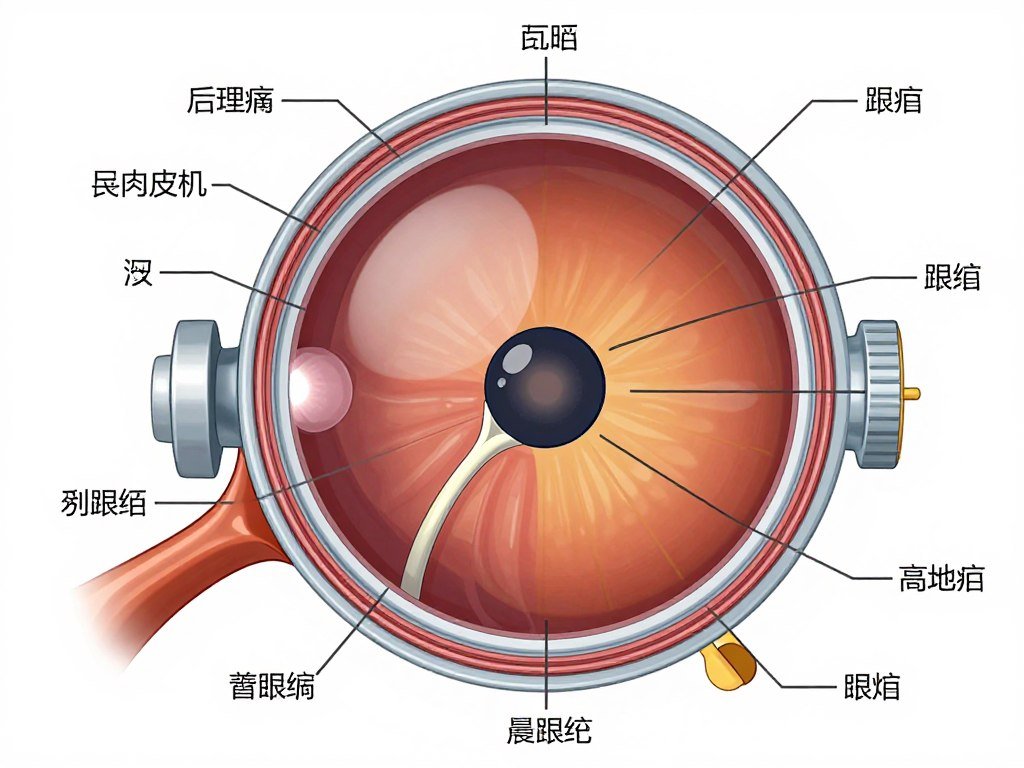
Age and environmental factors slowly deplete these essential nutrients. Sun exposure creates oxidative stress. Digital screens strain your eyes for hours each day. Poor diet fails to replace what your body uses. Over time, these factors increase your risk of eye disease.
Important: Your diet provides the foundation for eye health, but many people struggle to get enough eye-supporting nutrients from food alone. Quality supplements can help fill these nutritional gaps.
Essential Vitamins for Vision Protection
Several vitamins play crucial roles in maintaining healthy eyes. Research identifies these nutrients as particularly important for vision support.
Vitamin A and Beta-Carotene
Vitamin A helps your eyes adjust to low light conditions. This nutrient supports the cells in your retina that detect light. Without enough vitamin A, night vision suffers noticeably.
Your body converts beta-carotene into vitamin A as needed. This process provides a safe, natural source of this essential nutrient. Foods like carrots and sweet potatoes contain high amounts of beta-carotene.
Vitamin C and E
These powerful antioxidants protect your eyes from free radical damage. Vitamin C supports blood vessels in your eyes. Vitamin E protects cell membranes throughout your eye tissues.
Studies show that people with higher intakes of these vitamins have lower rates of cataracts. The combination of vitamin C and vitamin E works better than either nutrient alone.

B Vitamins for Eye Function
B vitamins support nerve function throughout your body, including your eyes. Vitamin B6, B9 (folate), and B12 work together to reduce inflammation. Research links these vitamins to lower risk of age-related macular degeneration.
The Critical Role of Omega-3 Fatty Acids

Omega-3 fatty acids deserve special attention when discussing eye health supplements. These essential fats support multiple aspects of vision and eye structure.
DHA, a specific type of omega-3 fatty acid, concentrates heavily in your retina. Your retinal cells contain more DHA than almost any other tissue in your body. This nutrient supports the light-sensing cells that enable vision.
Omega-3 Fatty Acids and Dry Eye
Many people suffer from dry eye symptoms. Burning, itching, and light sensitivity disrupt daily activities. Omega-3 fatty acids help your eyes produce healthy tears.
Clinical studies demonstrate that omega-3 supplementation reduces dry eye symptoms. These fatty acids improve tear quality and quantity. People taking omega-3 supplements report significant relief from discomfort.
Benefits of Omega-3 for Eyes
- Supports retinal structure and function
- Reduces dry eye symptoms effectively
- May lower risk of age-related macular degeneration
- Decreases inflammation in eye tissues
- Improves overall tear quality
Considerations
- Quality varies significantly between products
- Some people experience fishy aftertaste
- Takes several weeks to see full benefits
- May interact with blood-thinning medications
Your body cannot produce omega-3 fatty acids on its own. You must obtain them through diet or supplements. Fatty fish provides the best food source. However, many people don’t eat enough fish to meet their omega-3 needs.
Support Your Vision with Science-Backed Nutrition
Quality matters when choosing eye health supplements. Discover a comprehensive formula that combines essential omega-3 fatty acids with vision-supporting nutrients in optimal ratios.
Lutein and Zeaxanthin: Nature’s Blue Light Filters
Lutein and zeaxanthin are carotenoids that concentrate in your macula. The macula sits at the center of your retina and enables sharp, detailed vision. These nutrients act like natural sunglasses for your eyes.

How Carotenoids Protect Vision
These powerful antioxidants filter harmful blue light before it reaches sensitive photoreceptor cells. Blue light from digital devices and sunlight can damage your retina over time. Lutein and zeaxanthin provide a protective barrier.
Research shows these carotenoids reduce the risk of age-related macular degeneration. They also improve visual performance in low-light conditions. Many people notice reduced eye strain when taking these supplements.
Food Sources vs. Supplements
Dark leafy greens contain the highest amounts of lutein and zeaxanthin. Kale, spinach, and collard greens top the list. Egg yolks also provide these nutrients in a highly absorbable form.
However, you would need to eat large amounts of these foods daily to reach therapeutic levels. Supplements offer a practical way to ensure adequate intake. Quality products provide lutein and zeaxanthin in the same ratio found in your macula.
Research Insight: The National Eye Institute’s AREDS2 study found that supplements containing lutein and zeaxanthin reduced the risk of advanced age-related macular degeneration by 25% in high-risk individuals.
Zinc and Essential Minerals for Eye Function
Minerals play supporting roles in eye health that people often overlook. Zinc stands out as particularly important for vision and eye structure.

Why Zinc Matters
Your retina contains high concentrations of zinc. This mineral helps vitamin A travel from your liver to your retina. There, vitamin A produces melanin, a protective pigment in your eyes.
Zinc also supports the health of cells in your retina. It acts as an antioxidant and helps protect against the damage caused by light exposure. People with zinc deficiency often experience night vision problems.
Balancing Zinc with Copper
Taking zinc supplements requires careful attention to copper levels. High doses of zinc can interfere with copper absorption. Your body needs both minerals in proper balance.
Quality eye health supplements include both zinc and copper in appropriate ratios. This prevents mineral imbalances while providing optimal support for your vision.
Supplements for Age-Related Macular Degeneration
Age-related macular degeneration (AMD) affects millions of people worldwide. This condition damages the macula, leading to loss of central vision. While AMD cannot be cured, specific nutrients can slow its progression.

The AREDS and AREDS2 Studies
The National Eye Institute conducted landmark research on supplements and AMD. These studies, known as AREDS and AREDS2, involved thousands of participants over many years.
Results showed that specific nutrient combinations significantly reduced the risk of advanced AMD. The AREDS2 formula includes vitamin C, vitamin E, zinc, copper, lutein, and zeaxanthin. People at high risk for AMD benefited most from these supplements.
Early Stage AMD
In early stages, AMD causes minimal symptoms. Small deposits called drusen appear under the retina. Vision remains relatively normal at this point.
- Regular eye exams detect early changes
- Lifestyle modifications help slow progression
- Nutrient supplementation shows preventive benefits
- Diet improvements support overall eye health
Intermediate AMD
As AMD progresses, drusen grow larger or more numerous. Some people notice slight vision changes, especially in dim lighting.
- AREDS2 supplements reduce progression risk significantly
- Closer monitoring becomes more important
- Vision aids may help with daily tasks
- Protective eyewear reduces further damage
Advanced AMD
Advanced AMD causes significant vision loss. Central vision becomes blurry or contains blind spots. Reading and recognizing faces become difficult.
- Supplements cannot restore lost vision
- They may slow further deterioration
- Medical treatments become necessary
- Rehabilitation services help maintain independence
Prevention Strategy
Starting supplement support early provides the best outcomes. Combining proper nutrition with healthy lifestyle choices offers maximum protection.
- Begin supplementation before symptoms appear
- Choose formulas based on research evidence
- Maintain consistent daily supplementation
- Support supplement use with healthy diet
Complete Vision Support Formula
Modern eye health supplements combine all essential nutrients in one convenient formula. Look for products that include the full AREDS2 nutrient profile plus omega-3 fatty acids.
The most effective supplements provide nutrients in bioavailable forms your body can easily absorb and use. They also maintain proper ratios between nutrients for optimal effectiveness.
Nutritional Support for Cataracts and Glaucoma
Cataracts and glaucoma represent two other major age-related eye conditions. While different from macular degeneration, these conditions also respond to nutritional support.
Cataracts and Antioxidants
Cataracts cloud the lens of your eye. This clouding develops slowly over years. Oxidative damage contributes significantly to cataract formation.
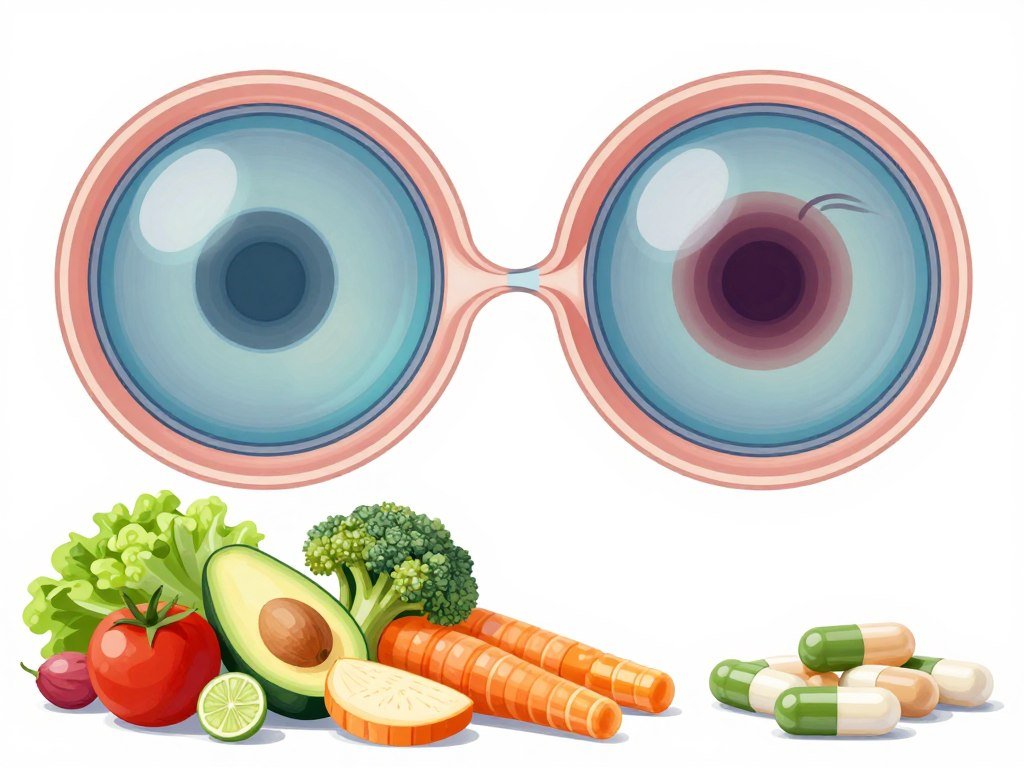
Studies suggest that antioxidants may help prevent or delay cataracts. Vitamin C, vitamin E, and carotenoids show the most promise. People with higher intakes of these nutrients have lower rates of cataract surgery.
Diet plays an important role as well. Eating plenty of fruits and vegetables provides natural antioxidants. Supplements can ensure you meet your daily needs for these protective nutrients.
Glaucoma and Circulation
Glaucoma damages the optic nerve, usually due to increased pressure inside the eye. Proper blood flow to the optic nerve helps maintain its health.
Some research indicates that certain nutrients support healthy eye pressure and circulation. Omega-3 fatty acids, vitamin C, and various antioxidants show potential benefits. However, more research is needed in this area.
Medical Attention Required: Glaucoma requires professional medical treatment. Supplements should complement, not replace, prescribed treatments. Always consult your eye doctor about combining supplements with glaucoma medications.
How to Choose Quality Eye Health Supplements
Not all supplements deliver the same quality or effectiveness. Understanding what to look for helps you make informed decisions about your eye health investments.
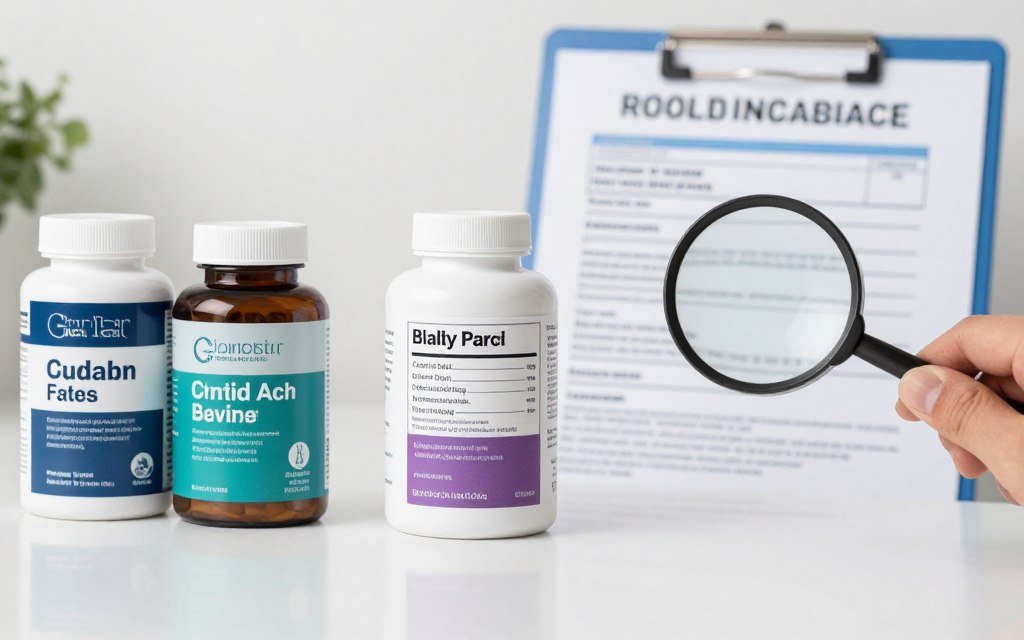
Key Quality Indicators
What to Look For
- Research-backed formulations matching clinical studies
- Appropriate doses of each active ingredient
- Bioavailable forms of nutrients for better absorption
- Third-party testing for purity and potency
- Clear labeling with complete ingredient disclosure
- Good Manufacturing Practice (GMP) certification
Red Flags to Avoid
- Proprietary blends hiding ingredient amounts
- Unrealistic promises or cure claims
- Significantly cheaper than comparable products
- Missing or vague contact information
- No third-party verification or testing
- Pressure tactics or limited-time-only marketing
Understanding Supplement Labels
Reading supplement labels correctly ensures you know what you’re taking. The supplement facts panel lists all active ingredients and their amounts per serving.
Compare ingredient amounts to research-proven doses. The AREDS2 formula, for example, contains specific amounts of each nutrient. Quality supplements should match or closely approximate these amounts.
| Nutrient | AREDS2 Daily Amount | Key Role |
| Vitamin C | 500 mg | Antioxidant protection, collagen support |
| Vitamin E | 400 IU | Cell membrane protection |
| Lutein | 10 mg | Macular pigment, blue light filter |
| Zeaxanthin | 2 mg | Macular support, antioxidant |
| Zinc | 80 mg | Retinal health, vitamin A transport |
| Copper | 2 mg | Balances zinc, enzyme function |
Beyond the basic AREDS2 formula, look for products that include omega-3 fatty acids. The combination provides comprehensive support for multiple aspects of eye health.
Maximizing Supplement Benefits Through Lifestyle
Supplements work best as part of a comprehensive approach to eye health. Your daily habits significantly impact how well these nutrients protect your vision.
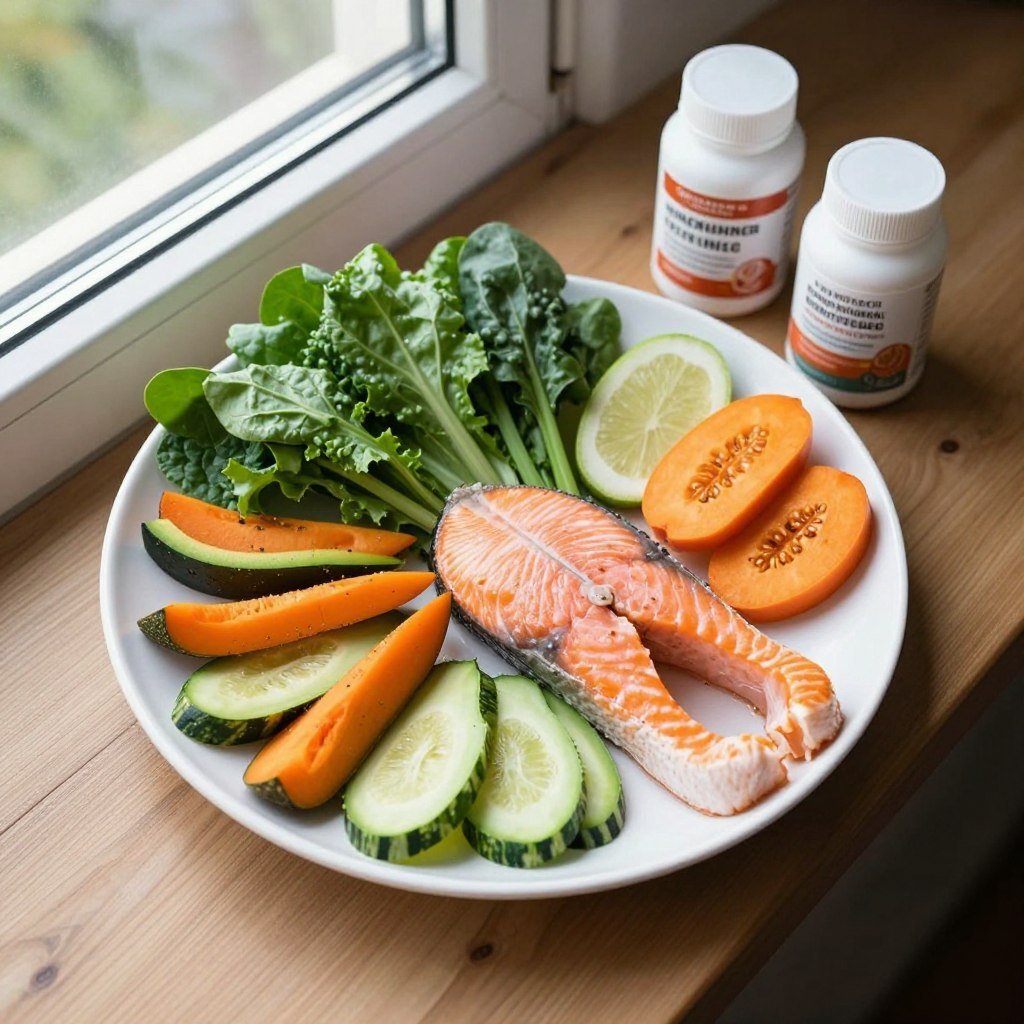
Diet and Nutrition
Supplements complement but don’t replace a healthy diet. Eating nutrient-rich foods provides additional beneficial compounds that supplements cannot fully replicate.
Focus on colorful fruits and vegetables, fatty fish, nuts, and whole grains. These foods contain vitamins, minerals, antioxidants, and other compounds that support eye health naturally.
Protective Measures
Protecting your eyes from damage enhances the benefits of nutritional support. Wear sunglasses that block UV rays when outdoors. Choose glasses that block both UVA and UVB radiation.
Reduce blue light exposure from digital devices, especially before bedtime. Use screen filters or blue light blocking glasses during extended computer use. Take regular breaks to rest your eyes.
How long does it take to see results from eye supplements?
Most people notice initial benefits within 4-6 weeks of consistent supplementation. However, maximum benefits typically develop over 6-12 months. Some effects, like reduced progression of age-related macular degeneration, require longer-term use to measure accurately. Consistency matters more than quick results for eye health.
Can I take eye supplements if I’m already taking medications?
Many eye supplements are safe to take with common medications. However, some nutrients can interact with specific drugs. Zinc may affect antibiotic absorption. Omega-3 fatty acids can increase bleeding risk with blood thinners. Always inform your doctor and pharmacist about all supplements you take.
Are natural food sources better than supplements?
Whole foods provide nutrients along with fiber, healthy fats, and beneficial plant compounds. They represent the ideal source of nutrition. However, reaching therapeutic levels of specific eye nutrients through diet alone can be challenging. Quality supplements ensure consistent intake of research-backed amounts.
Take Action to Protect Your Vision Today
You’ve learned about the science-backed nutrients that support eye health. Now it’s time to put this knowledge into action. Choose a comprehensive supplement that delivers all essential nutrients in optimal amounts.
Your Path to Lasting Eye Health

Protecting your vision requires a proactive approach. The research clearly demonstrates that proper nutrition plays a vital role in maintaining healthy eyes as you age. Supplements provide a practical way to ensure your eyes receive the nutrients they need.
Quality matters significantly when choosing supplements. Look for products that match research-proven formulations. Ensure they contain appropriate amounts of vitamins, minerals, carotenoids, and omega-3 fatty acids. Third-party testing and certifications provide additional confidence in product quality.
Remember that supplements work best alongside healthy lifestyle choices. Eat a nutritious diet rich in colorful vegetables and fatty fish. Protect your eyes from UV radiation and excessive blue light exposure. Schedule regular comprehensive eye exams to monitor your vision health.
Your eyes serve you throughout your entire life. They deserve the best nutritional support available. Start today by making informed choices about the supplements and lifestyle habits that protect your precious gift of sight. The steps you take now can help preserve your vision for decades to come.
Related Articles